
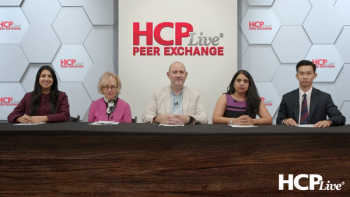
Panelists discuss how the reduction of proteinuria is integral to the broader treatment goals for IgA nephropathy, highlighting evidence that supports its role in preventing long-term kidney damage.
Panelists discuss how the reduction of proteinuria is integral to the broader treatment goals for IgA nephropathy, highlighting evidence that supports its role in preventing long-term kidney damage.
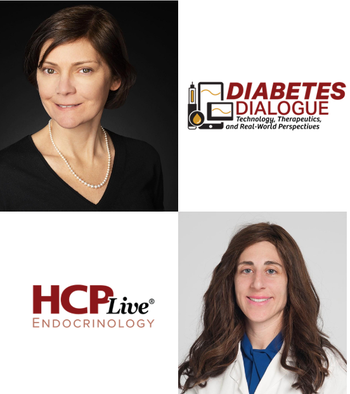
In this episode, hosts discuss the efficacy of MariTide for obesity, a head-to-head comparison of semaglutide vs. tirzepatide, and concerns about GLP-1 agonist compounding.

Iron deficiency is currently screened at a ferritin threshold of 15 ug/mL, well below an accepted 25 ug/mL threshold.

Yehuda Handelsman, MD reflects on the WCIRDC 2024’s comprehensive approach to advancing cardiometabolic care through multidisciplinary collaboration.
Yehuda Handelsman, MD highlights insulin resistance’s role in cardiometabolic disease and introduces DCRM 2.0 as a global, multi-specialty care framework.
Kim, Sindher, Huffaker spoke with HCPLive about some of the year’s most important developments in the food allergy space, namely the approvals of omalizumab and neffy.
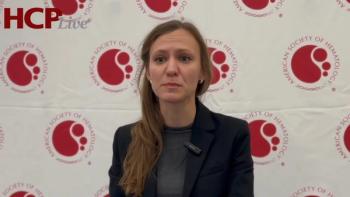
Weisinger discussed findings from the largest cohort of patients with iTTP treated with Obinutuzumab.
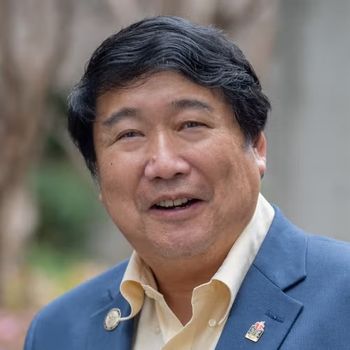
Nathan D. Wong, MPH, PhD discusses the evolution of Lp(a) in risk assessment, given its role as a genetic risk factor for cardiovascular complications.

This interview featured a discussion with Browning regarding his team’s findings prior to the FDA approval of tapinarof cream 1% for atopic dermatitis.

Laurence Sperling, MD described the evolving role of cardiologists in obesity care, particularly with the increasing adoption of therapies such as GLP-1 agonists.
Laurence Sperling, MD shares insights into a multi-disciplinary approach to the management of obesity from the perspective of a cardiologist.

Schafer Boeder, MD describes the potential role and safety of adjunctive therapy, including SGLT2 inhibitors and GLP-1 agonists, for patients with T1D.
Panelists discuss how the primary treatment goals for patients with IgA nephropathy evolve based on the stage of the disease, emphasizing the importance of tailoring strategies to individual patient needs.
Panelists discuss how integrating additional biomarkers with proteinuria measurements can enhance the diagnostic accuracy for IgA nephropathy.

Alice Cheng, MD, discusses the impact of diabetes on cognitive function and the emerging role of diabetic drug classes in dementia care.

Orly Vardeny, PharmD, MS explores the efficacy of nonsteroidal MRAs in heart failure with mildly reduced or preserved ejection fraction in the FINE-ARTS trial.

Matthew J. Budoff, MD discusses the effects of obesity and cardiometabolic complications in the contemporary management of type 1 diabetes.

Jennifer B. Green, MD highlights the successful implementation of evidence-based therapies for high-risk patients with type 2 diabetes.

Ralph A. DeFronzo, MD discusses the Noxious Nine and the impact of hypercortisolism on difficult-to-control type 2 diabetes.

Matthew Weir, MD discusses how a multidisciplinary approach is reshaping CKD management, with a focus on mitigating cardiovascular events.

Matsushita discussed findings from the OLE FRONTIER4 study of Mim8.

Erin Michos, MD examines unique HFpEF mechanisms for women and implications for sex-specific treatment.

Matino discussed data from the phase 3 BASIS study evaluating the recently approved Hympavzi.

Samelson-Jones discussed follow-up data of up to 6 years with investigations of fidanacogene elaparvovec.

Bernaudin discussed the Drepagreffe-1 and 2 studies and improvements seen over 10 years of follow-up.

Appiah-Kubi also noted that despite elevated HbF levels, very young children with SCA already had anemia and reticulocytosis.

Chaturvedi discussed findings from the NeST study at ASH 2024, including an increased risk of stroke in those with silent cerebral infarction progression.
In this month's episode of Lungcast, Jacob Sands, MD, discusses the American Lung Association’s recently newly-released 2024 State of Lung Cancer report.
Panelists discuss how clinicians determine the significance of proteinuria in assessing patients for potential IgA nephropathy (IgAN), including the levels and patterns that prompt further investigation and the specific diagnostic red flags that may suggest IgAN over other kidney disorders.
Panelists discuss how clinicians determine the significance of proteinuria in assessing patients for potential IgA nephropathy (IgAN), including the levels and patterns that prompt further investigation and the specific diagnostic red flags that may suggest IgAN over other kidney disorders.