
In this episode, hosts explore the most recent updates surrounding GLP-1 receptor agonists, including GLP-1 shortages and long-term data on tirzepatide.
In this episode, hosts explore the most recent updates surrounding GLP-1 receptor agonists, including GLP-1 shortages and long-term data on tirzepatide.

Laura Ross, PA-C, shares insights from the inaugural CAPP meeting on how lifestyle medicine and targeted therapies are transforming cardiovascular care.
In this episode, hosts discuss the latest developments in GLP-1 receptor agonists, with a particular focus on semaglutide.
Past APAC President Viet Le shares insights from CAPP 2024 on managing high-risk ASCVD, new non-statin therapies, and options for statin-intolerant patients.
In this latest episode of Lungcast, multiple points of view are highlighted regarding Aspirin-Exacerbated Respiratory Disease (AERD).
Masri discussed the new phase 3 trial of Intellia’s NTLA-2001 or nex-z.
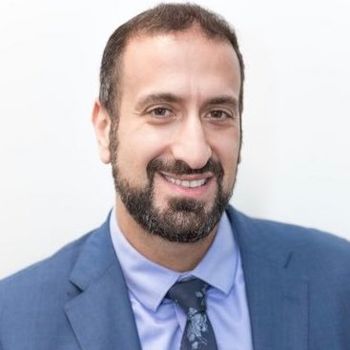
Alkhouri explains the first real-world data on the use of resmetirom (Rezdiffra) in patients with MASH and how they compare to clinical trial findings.
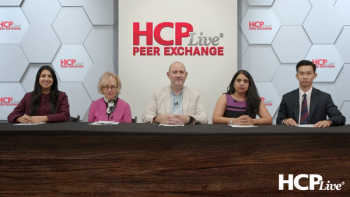
Panelists discuss the progressive nature of immunoglobulin AIgA nephropathy (IgAN) and identify key factors that may accelerate its progression toward end-stage renal disease (ESRD).
Panelists discuss how IgA nephropathy presents in patients, often remaining asymptomatic until significant progression occurs, and explore the various subtypes that exhibit distinct clinical features.

Braden Kuo, MD, explains how the gas-sensing capsule compares to the FDA-cleared, but now discontinued, SmartPill wireless motility capsule.
Satish Rao, MD, PhD, explains how a stool diary app may provide incremental benefit and facilitate treatment monitoring with the vibrating capsule.

Noureddin explains the efficacy of resmetirom doses and how they vary based on patients’ body weight and BMI, supporting current prescribing practices.
This interview from Fall Clinical highlights the broader implications of the phase 3 data resulting from the ARRECTOR trial on roflumilast foam for those with psoriasis.
This interview following Fall Clinical highlights new phase 3 data on patient-reported outcomes from the ARRECTOR study evaluating roflumilast foam for psoriasis.
This interview from Fall Clinical featured a discussion of new findings on upadacitinib (Rinvoq) for patients with atopic dermatitis.

Yee discussed research she is conducting into gFSGS and nephrotic syndrome, presented at ASN Kidney Week.
Zand discussed the unmet need for refractory primary FSGS and the importance of investigations specifically in this population.
This interview at the Fall Clinical Dermatology Conference features a discussion with Stein Gold regarding the open-label extension of the phase 3 ADORING trial regarding tapinarof.
Stein Gold speaks in this interview about the new lebrikizumab (Ebglyss) data presented at the Fall Clinical Dermatology Conference.
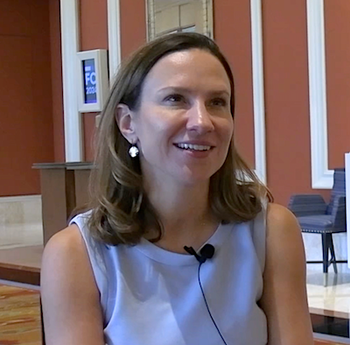
Murina highlighted takeaways from her seminar-in-depth regarding the evolving therapeutic landscape of HS.
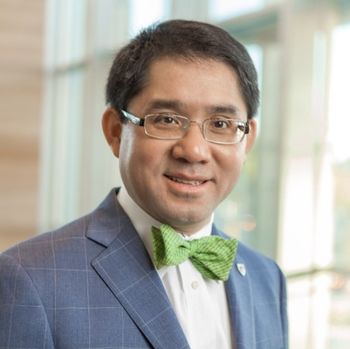
At AAO 2024, Quan Dong Nguyen, MD, and Jia-Horung Hung, MD, discuss the Phase 2 Neptune trial investigating brepocitinib for active non-infectious uveitis.
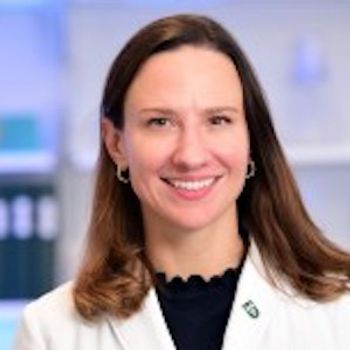
This discussion with Murina covers several tips for dermatologists to implement, 1 of which touched on omega-3 supplementation for ocular rosacea.
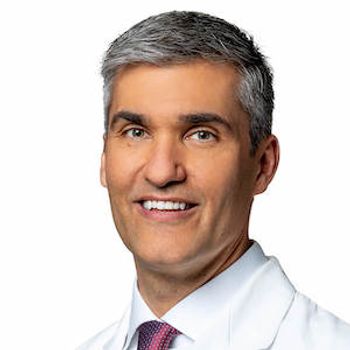
At AAO 2024, Wykoff discussed first-time extended results from AMARONE showing Restoret’s effectiveness in improving outcomes for patients with DME and nAMD.
In her Fall Clinical interview, Murina highlighted several key takeaways related to her talk titled ‘Managing Psoriasis with Oral Therapy: 2024 & Beyond.’

This interview from Fall Clinical covers 2 additional tips for clinical practice as well as unmet needs among patients.

At AAO 2024, Kay presented an overview of gildeuretinol, an oral vitamin A derivative offering hope for patients with Stargardt disease.

In this interview at Fall Clinical Dermatology, Ferris and Bhatia highlighted several elements of skin cancer detection and management as well as unmet needs of patients.
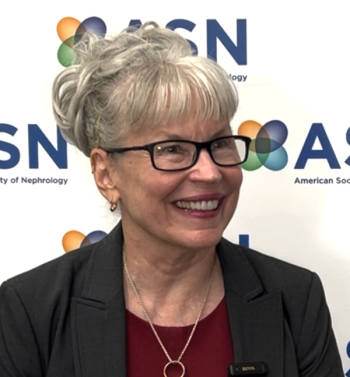
Carla Nester, MD, discusses her perspective on the APPEAR-C3G 12-month data from ASN Kidney Week 2024.
This Fall Clinical Dermatology Conference interview with Song features a discussion regarding several useful clinical pearls for dermatologists.