
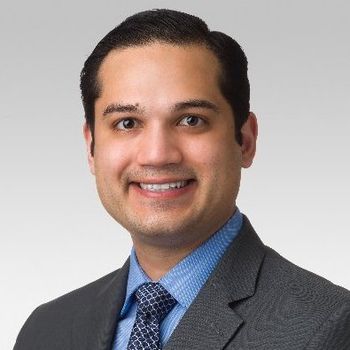
In this interview segment, Chovatiya highlights HS therapies such as IL-17 inhibitors and JAK inhibitors, as well as unmet needs of patients.
In this interview segment, Chovatiya highlights HS therapies such as IL-17 inhibitors and JAK inhibitors, as well as unmet needs of patients.
This interview with Chovatiya highlights promising therapies in the dermatology space for the treatment of patients with the skin condition HS.
Counting down the most impactful news at major medical meetings, it’s the HCPLive Five! This episode focuses on 5 key updates from the European Society of Cardiology (ESC) Congress 2024.

The APAC Recap is a new multimedia series created through a partnership between APAC and HCPLive where members of the Academy of Physician Associates have peer-to-peer discussions centered around recent scientific congresses and meetings.

Deepak Bhatt, MD, MPH, MBA, discusses the results of a prespecified analysis of the EMPACT-MI trial examining the effect across the spectrum of baseline kidney function.

New study finds ASCVD risk score often misses at-risk patients for first acute coronary syndrome, highlighting need for better prediction methods.
Deepak Bhatt, MD, MPH, MBA, discusses a group of 4 high-impact studies from ESC Congress 2024: FINEARTS-HF, ABYSS, RESHAPE-HF2, and SHAM-PVI.
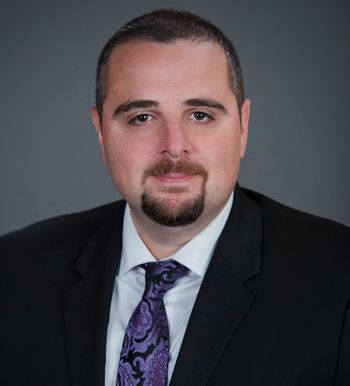
Ahmad Masri, MD, MS, highlights a trio of studies from ESC Congress 2024 examining use of aficamten in hypertrophic cardiomyopathy.
Ahmad Masri, MD, MS, discusses the results of a SEQUOIA-HCM substudy leveraging cardiac magnetic resonance to assess structural changes associated with aficamten use in HCM.
Ahmad Masri, MD, MS, discusses an integrated safety analysis of aficamten using data from 3 clinical trials.
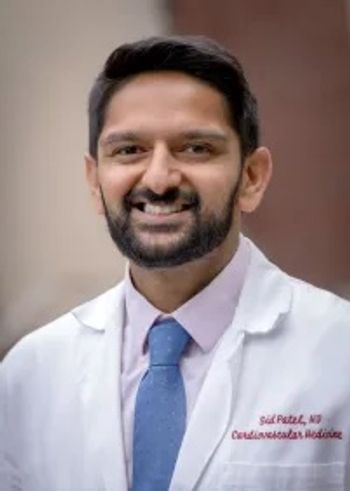
Siddharth Patel, MD, MPH, discusses how an AZALEA-TIMI 71 analysis presented at ESC Congress 2024.

Kausik Ray, MD, MPhil, discusses the results of the INTERASPIRE study and how it improves our understanding of the effects of elevated Lp(a).

Rahul Aggarwal, MD, discusses the findings of a SCORED analysis examining sotagliflozin's effects based on diabetes duration.

Kenneth Mahaffey, MD, discusses FLOW trial data showing semaglutide improves cardiovascular outcomes in patients with type 2 diabetes, regardless of CKD severity.
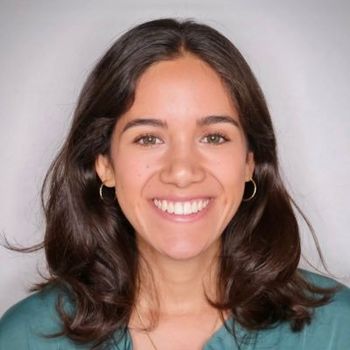
Sara Diaz Saravia, MD, discusses a study from ESC Congress 2024 examining the utility of cancer history in women as a predictor of subclinical atherosclerosis.
Deepak Bhatt, MD, MPH, MBA, discusses common pitfalls for clinicians when interpreting trial data based on a presentation he led at ESC Congress 2024.
Kausik Ray, MD, discusses what trials and new data in lipidology he is most looking forward to from the upcoming ESC Congress.
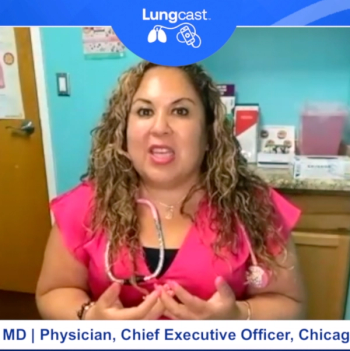
During this segment of a recent Lungcast, Mora and Sadeameli speak about 2 key topics: vaping and e-cigarette use among children as well as vaccinations and related misinformation.
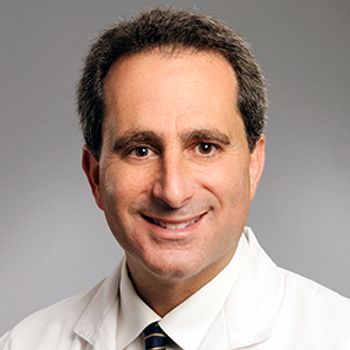
Laurence Sperling, MD, offers perspective on multiple topics within the evolving field of lipid management and dyslipidemia.
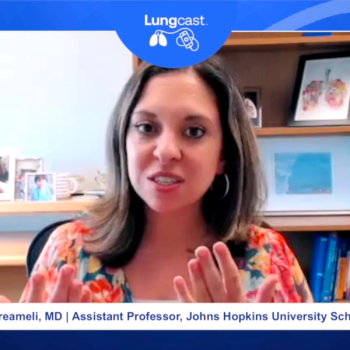
In this Lungcast episode, Mora and Sadeameli highlight Asthma Action Plans as well as Asthma Peak Weak considerations for children in the new school year.
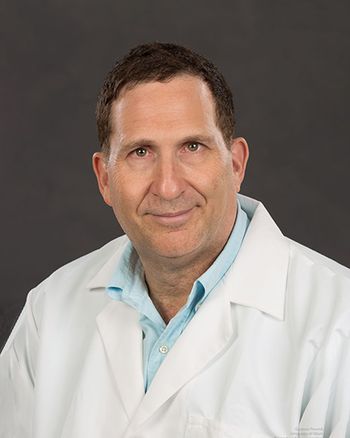
Yosipovitch spoke in this interview about the clinical trials leading up to the FDA approval of his nemolizumab for patients with prurigo nodularis.
In this interview, Yosipovitch discusses his team’s findings on nemolizumab and the significance of the drug’s FDA approval for those with prurigo nodularis.
Deepak Bhatt, MD, MPH, MBA, discusses 7 trials to watch from hotline or late-breaking sessions at the upcoming European Society of Cardiology Congress 2024.
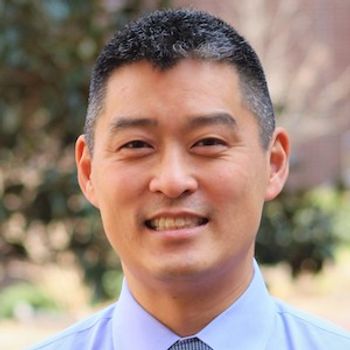
In this interview, Kim speaks about the significance of the FDA approval of neffy for patients who face the threat of anaphylaxis and other severe allergic reactions.
In this interview, Chovatiya spoke with the editorial team about the global prevalence findings on patients with seborrheic dermatitis and their implications.
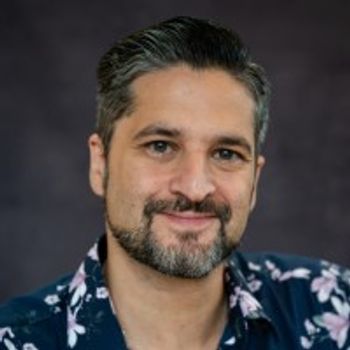
In this video series segment, Casey Paleos, MD, provides insight into what he considers to be the most pertinent unanswered questions surrounding MDMA-assisted therapy in PTSD.
In this video series segment, Casey Paleos, MD, discusses his outlook on the potential of psychedelic therapies in PTSD looking forward.
In this video series segment, Casey Paleos, MD, offers insight into the impact of historic stigma associated with psychedelic therapies on acceptance in psychiatric care.
In this video series segment, Casey Paleos, MD, describes his interpretation of clinical trial data for MDMA-assisted therapy in PTSD as well as his reaction to the FDA PDAC vote in early June.
In this video series segment, Casey Paleos, MD, provides perspective on the current options and unmet needs in the management of posttraumatic stress disorder.