
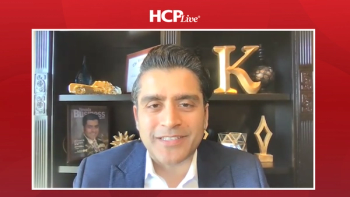
Arshad Khanani, MD discusses the key findings on elamipretide from the Phase 2 ReCLAIM-2 clinical trial.
Arshad Khanani, MD discusses the key findings on elamipretide from the Phase 2 ReCLAIM-2 clinical trial.
Arshad Khanani, MD describes the mechanism of action of elamipretide, an investigational product candidate for geographic atrophy in dry age-related macular degeneration.
Arshad Khanani, MD breaks down the current treatment options for geographic atrophy and provides insight into the therapeutic pipeline.

Mannino, Anzueto and Christenson conclude the panel with thoughts on developing biologics for COPD, and increased interest in the field after ensifentrine and dupilumab.
Ahead of the anticipated FDA decision in September, an expert panel reviews the promising data and unique role dupilumab may have in COPD.
In this HCPLive Special Report, experts review ensifentrine's role as a novel maintenance therapy for COPD.
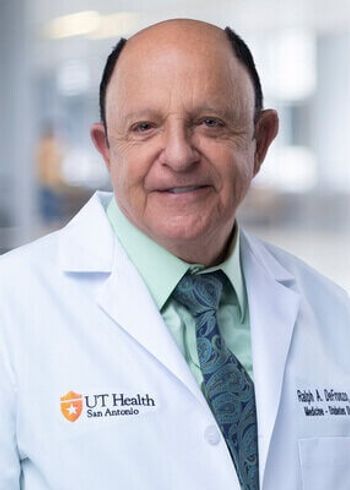
Ralph DeFronzo, MD, discusses the results of the first phase of the CATALYST trial and how results should influence the care of patients with difficult-to-treat type 2 diabetes.
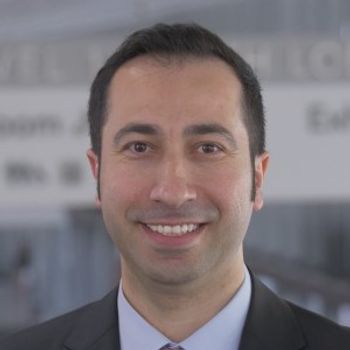
Halis Akturk, MD, offers an overview of the growing prevalence and dangers associated with cannabis use among patients with type 1 diabetes.
Details of an analysis from ADA 2024 compared matched cohorts from SURMOUNT-1 and SURMOUNT-2 to determine drivers of differences in weight loss from the trials.
Matthew Zirwas, MD, reviews the clinical discrepancies of certain JAK-targeting therapies and their role in dermatology patient outcomes.
Matthew Zirwas, MD, discusses the prospect of pairing JAK inhibitors like ruxolitinib cream with other disease-targeting options for conditions including vitiligo and alopecia areata.

Jennifer L. Hsiao, MD, reviews the rapidly growing inventory of investigational drugs for HS.
Matthew Zirwas, MD, explains why he believes agents like ruxolitinib cream and upadacitinib have become the optimal treatments for atopic dermatitis, hidradenitis suppurativa, and more.
Sidbury covered the similarities and differences between the new guideline updates by the AAD on atopic dermatitis as well as differences with other organizations’ guidelines.

Jennifer L. Hsiao, MD, discusses what the anticipated JAK inhibitors may provide to patients with HS if FDA-approved in the coming years.
Matthew Zirwas, MD, provides advice to dermatologists discussing the safety of JAK inhibitor therapies due to their controversial black box warning.

Jonathan Silverberg, MD, PhD, MPH, discusses how the results of the LEVEL UP trial impact treatment decisions for patients with moderate-to-severe atopic dermatitis.
Patients with HS are getting a long-awaited influx of targeted therapies. Jennifer L. Hsiao, MD, discusses their immediate impact.
This interview with Silverberg featured a discussion of new data on systemic therapies for various dermatologic conditions.
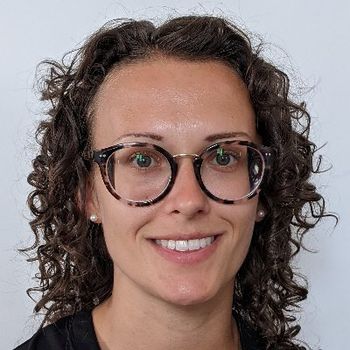
Kaitlin Mayne, MBChB, discusses an analysis of the EMPA-Kidney trial examining the effects of multimorbidity, polypharmacy, and quality of life on effects of empagliflozin.

Mona Shahriari, MD, discusses the evolving role of nonsteroidal topical options the management of plaque psoriasis.

Cindy X. Cai, MD, describes how both place and individual-level factors are associated with lapses in diabetic retinopathy care.

Ahead of the FDA decision on MDMA-assisted therapy to treat PTSD this summer, van der Kolk shares his thoughts on the logistics of care.
Van der Kolk discusses the long-term outlook of MDMA in patients with PTSD and what further outcomes he'd like to see explored in the space.
The FDA will decide on an application this summer for the treatment of PTSD with MDMA-assisted therapy. A renowned researcher explains how the treatment benefits patients with trauma.

At ARVO 2024, Dimitra Skondra, MD, describes the association between metformin use and decreased new-onset ICD coding of GA.

Robert Rosenson, MD, discusses the results of the ARCHES-2 trial and how it informs the potential of ANGPTL3 inhibition as well as RNAi therapies.

Julie Thomas, MS, DMSc, PA-C, discusses why ADHD cases may go undetected into adulthood, and the methods to treat such patients.

Robert Rosenson, MD, discusses the unmet need in mixed hyperlipidemia and the potential for RNA interference therapies in this patient population.
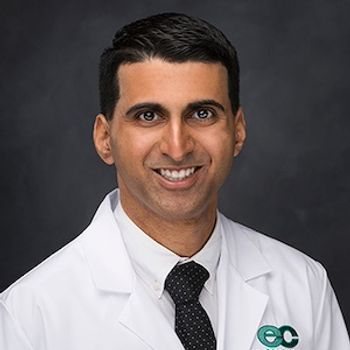
Deepak Sambhara, MD, describes the influence of baseline central retinal thickness on visual outcomes in a post-hoc analysis of the PHOTON study.