
Robert Wood, MD, principal investigator of the OUtMATCH trial, offers insight into the trial and its results beyond the primary outcome, with a focus on what it means for patients and providers.
Robert Wood, MD, principal investigator of the OUtMATCH trial, offers insight into the trial and its results beyond the primary outcome, with a focus on what it means for patients and providers.
Robert Wood, MD, discusses how the FDA approval of omalizumab (Xolair) changes the management of pediatric food allergy and what type of hurdles to optimal uptake the community may encounter.
In this Lungcast segment, Spicer spoke on several treatment-specific biomarkers for lung cancer and discussed the future of lung cancer therapy.
During this segment of his interview, Bissonnette discussed safety data on JNJ-2113 for patients with plaque psoriasis and later went into future research topics.
Michelle Kittleson, MD, PhD, provides insight into the potential impact of a new risk score for heart transplant allocation as well as the need for more equitable cardiovascular care in the US.
In a new episode of New Insight with Veeral Sheth, MD, a trio of retina specialists host a well-rounded conversation on recent conference news, the anniversary of a landmark agent, and what’s to come in 2024 for the specialty.
This segment of Eichenfield’s interview features a discussion about the recent announcement of a J-Code for the molluscum contagiosum treatment cantharidin.
In this interview, Eichenfield discussed the recent pooled analysis from two phase 3 studies looking at once-daily, topical roflumilast for patients 6 and older with eczema.
Faricimab showed sustained vision improvements and retinal drying up to 72 weeks for both branch and central RVO in the phase 3 BALATON and COMINO studies.
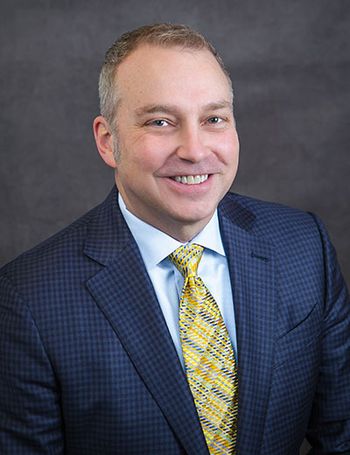
In an interview, Andrew Blauvelt, MD, MBA, provides further perspective on the approval of roflumilast topical foam, 0.3% (Zoryve) and full publication of phase 3 STRATUM data.
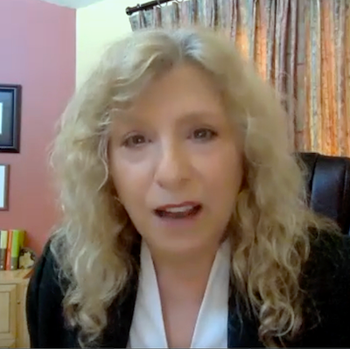
In this segment of Lungcast, guest Sue Padernacht went further into the topic of mental health and burnout among clinicians, highlighting some ways to address the situation.
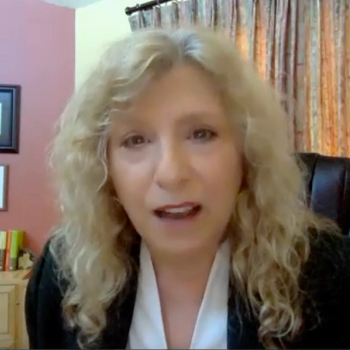
This segment of Lungcast guest Sue Padernacht’s discussion involved the very real topic of burnout among clinicians, as well as defining the differences between stress and burnout.

In this discussion, Soung discusses the VISIBLE study results on guselkumab and its design for individuals of diverse skin tones.
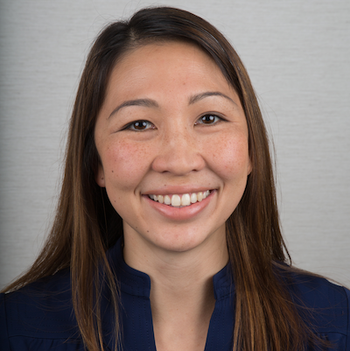
In this interview, Porter describes some new and encouraging phase 2 data on lutikizumab treatment for patients with HS who had failed anti-TNF therapy.
Positive interim data from the TEASE-3 clinical trial show gildeuretinol slows the progression of Stargardt Disease for up to six years.
Katie Falloon, MD, discusses findings from the SEQUENCE study, the importance of treatment positioning, and what direct data from head-to-head studies contributes to this understanding.
Shubha Bhat, PharmD, MS, BCACP describes the ELEVATE UC program supporting the FDA approval of etrasimod and the current understanding of treatment positioning between etrasimod and ozanimod.
In this interview, Neal Bhatia, MD, reacts to the FDA’s approval of roflumilast foam as well as the approval’s background and implications for patients with the inflammatory skin condition.
Califf joins HCPLive to share perspective on AI, gene and cell therapy development, COVID-19, food and substance regulation, maternal and infant health, weight loss intervention, and more.
Pinkerton reflects on the breakthrough approval for the non-estrogen, non-hormonal daily oral drug earlier this year.
The Contemporary Pediatrics Editor-in-Chief reviews the pharmacological breakthroughs and epidemiological setbacks that defined RSV in 2023.
This discussion with Dr. Yosipovitch covered findings presented at EADV 2023 on dupilumab and prurigo nodularis patients’ satisfaction.
Real-world data from the FARETINA-AMD study show faricimab extended treatment intervals among eyes with nAMD.
Safer discusses how symptoms and quality of life often go unaddressed in the few clinician-patient interactions about primary sclerosing cholangitis.
Lassailly discusses the role of bariatric surgery versus weight-loss treatments like semaglutide for patients with MASH.
During this interview segment, Dr. Chovatiya further analyzed the updated National Psoriasis Foundation consensus statements for GPP and the future of treatment research.
At AAO 2023, Korobelnik provides insight into the efficacy and safety of aflibercept 8 mg in patients with nAMD observed over 2 years of the PULSAR study.
During this segment of his interview, Dr. Kim went into the Harmony study data on safety of ADP101 presented at ACAAI as well as the implications of the research.
In this interview segment, Dr. Kim described some of the background and importance of the Harmony study data presented at ACAAI for patients with food allergy.
Presented at AHA 2023, new analyses of VOYAGER PAD suggest the benefit of rivaroxaban plus aspirin for high-risk and complex populations with PAD.