
A pair of experts discussed the importance of differentiating early signs of either disease on a recent podcast.
A pair of experts discussed the importance of differentiating early signs of either disease on a recent podcast.
The expert explains what recent vaccine innovations may come to influenza products.
A pediatrician discusses the stakes at hand for children whose parents are considering available vaccines now.
An Allegheny Health expert gives perspective on how the proven regimen plays a role amid the Omicron outbreaks, and increased vaccination and testing.
A look into how Allegheny Health Network prioritizes the valuable therapy amid rising cases.

Dr. Shapiro discusses the implantable VC-02 device success in producing C-peptide in patients with type 1 diabetes and what is coming next.
An outpatient care coordinator discusses the systemic and psychiatric symptoms of COVID-19 long haulers, as well as differences in outcomes based on vaccination.
A look into how Allegheny Health Network launched its multi-specialty referral system for post-hospitalized COVID-19 patients.
Findings from the SWAY trial highlight a pressing need for varying and more personalized treatment methods for patients.

Dr. Carl V. Crawford led a panel in discussing treatments in the pipeline for CDI.
New ASH 2021 data for the stem cell transplant therapy suggest it has a durable and safe benefit for adults with severe disease.
An international assessment shows many patients are wary of emergency rooms, and clinicians want more diverse therapies.
Defined roles and research-informed recommendations are lacking for clinicians navigating birth control with females with sickle cell.
New ASH 2021 data shows how guidance is still lacking for clinicians responsible for addressing contraception with women with sickle cell disease.

Bincy Abraham, MD, led the State of Science program on C difficile infections.

The treatment also has potential in Crohn's disease and rheumatoid arthritis.

Several different cardiovascular symptoms have presented in patients with COVID-19.
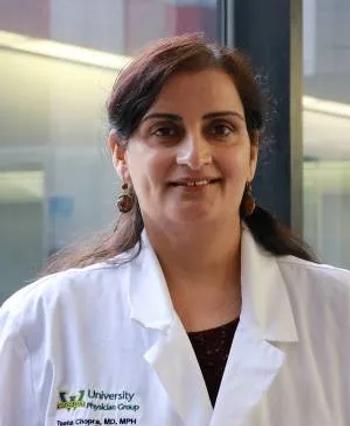
The State of the Science events allows experts to come together to update on recent research for CDI.
A case for more proactive lipid-lowering treatment initiation in a high-risk population.
Lipid testing rates are very low among those under 40 years old. Where do clinicians best target high-risk patients—and how?
Adults 40 years and younger generally aren't tested for lipid level risk—a byproduct of national guidance and clinical trial needs.

Dr. Mulshine and Dr. Rizzo discuss the diagnostic evolution detailed in several studies in the previous decades, and how CT screening can be used to detect lung cancer early in patients.

Dr. Leng discusses the progression of dry AMD patients in the IRIS registry from early stages to potential GA, as well as the benefit in narrowing the clinical definition of intermediate dry AMD.
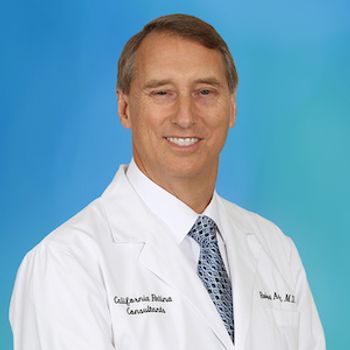
Dr. Avery discusses the positive results of RGX-314 gene therapy, noting dramatic reduction in need for therapy, with stable vision and good thickness results
Dr. Dhoot discusses data on visual acuity from the phase 3 KESTREL and KITE trials, comparing brolucizumab to aflibercept at 52 weeks.

There was a 135% reduction in platelet inhibition observed within 5-10 minutes following bentracimab infusion.
Dr. Singh discusses the aging population in ophthalmology care, advances including port delivery systems, and the potential rapid uptake of faricimab in treatment.
Dr. Singh discusses results from TENAYA and LUCERNE on faricimab compared to afilbercept in patients with nAMD.

There has recently been more community spread of C difficile infections.
There currently is not an approved treatment for EoE by the US Food and Drug Administration.