

Opinion|Videos|June 30, 2026
Navigating Insurance Barriers: Prior Authorizations, Appeals, and Manufacturer Support
Author(s)Nader Aboul-Fettouh, MD
Aboul-Fettouh outlines the documentation strategies, appeal pathways, and manufacturer resources that dermatology practices can leverage to overcome payer barriers and get patients with alopecia areata onto the systemic therapies they need.
Advertisement
Episodes in this series
The availability of effective JAK inhibitors for alopecia areata has not automatically translated into patient access, and for many practices the gap between prescribing and actually getting a patient on therapy represents one of the most operationally demanding aspects of managing this disease. Payers frequently continue to classify AA as a cosmetic condition rather than a medical one position increasingly at odds with the clinical literature documenting its association with anxiety, depression, and significantly reduced scores on standardized quality-of-life instruments such as the DLQI. Prior-authorization requirements, step-therapy mandates, and outright denials are common, and practices that are not prepared to engage systematically with the appeals process risk losing patients to frustration and abandonment of treatment before it ever begins. Proactive documentation, starting at the first visit, is the single most important operational step a practice can take to reduce the frequency of denials and improve the success rate of appeals.
Effective documentation for prior-authorization purposes goes beyond listing the diagnosis and the proposed drug. Serial photographs taken across multiple visits— ideally over 2 or more months-
-that demonstrate disease progression or lack of
response to prior therapies are among the most compelling elements of an authorization package. Quantitative SALT scoring at each visit creates an objective, reproducible record of disease burden. Narrative documentation of the patient's daily functional impact-how often they think about their hair loss, which activities they are avoiding, whether they rely on a hairpiece to leave the house-translates psychosocial impairment into clinical language that payers can evaluate. When an initial authorization is denied, a letter of medical necessity that incorporates consensus statements from the American Academy of Dermatology (AAD) and other professional organizations directly challenges the cosmetic classification and provides the peer-to-peer reviewer with a framework for reconsidering the denial. If that appeal is also unsuccessful, requesting a peer-to-peer call with the payer's medical director creates a final opportunity to advocate directly for the patient's access to care.
In this segment, Nader Aboul-Fettouh, MD, double board-certified dermatologist and fellowship-trained Mohs Micrographic Surgeon and founder and managing director of Blue Ribbon Dermatology in the Dallas area, details the full access landscape for AA systemic therapy-from the initial prior-authorization submission through the appeal and peer-to-peer review process. He also highlights the manufacturer support infrastructure, including bridge programs, copay assistance, and field reimbursement specialists, that has become an indispensable resource for practices managing the administrative burden of getting patients onto approved JAK-inhibitor therapy.
Advertisement
Related to this article

Donald Cutlip, MD, discusses the sirolimus balloon’s approval and its role in clinical practice for patients with ISR.

Ochsner Transplant Institute director discusses liver transplant care, robotic kidney transplant, organ preservation, and access gaps.
Mirum's antibody led to virologic response and ALT normalization in up to 56% of patients at week 24, vs 0% with delayed treatment.
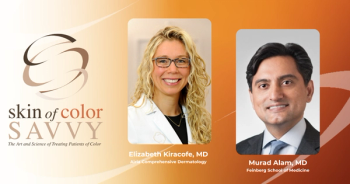
Murad Alam, MD, and Elizabeth Kiracofe, MD, discuss how reimbursement, coverage, and advocacy shape dermatology access for patients with skin of color.
Stress led all triggers, and a sense of an impending attack was the most reliable prodrome in patients with HAE-C1INH in the US HAEA Scientific Registry.
Stay updated with the latest healthcare breakthroughs, including the FDA approval of insulin efsitora alfa-gobe (Onswik).
Approval is based on 36-week data from BRAVE-AA-PEDS, in which 42% of patients on the 4 mg dose achieved a SALT score of 20 or less, compared with 5% on placebo.
The FDA approved once-daily oral zilurgisertib for FOP in patients aged 12 years and older after the phase 2 PROGRESS trial showed reduced new heterotopic ossification vs placebo.
Advertisement
Advertisement
Trending on HCPLive
1
FDA Approves Obinutuzumab (Gazyva) for Idiopathic Nephrotic Syndrome
2
Lessons From 10,000 Organ Transplants, With Ari Cohen, MD
3
Efsitora Dosing and Titration in Type 2 Diabetes
4
The HCPFive: Top News for Healthcare Providers from the Week of 09/20
5