
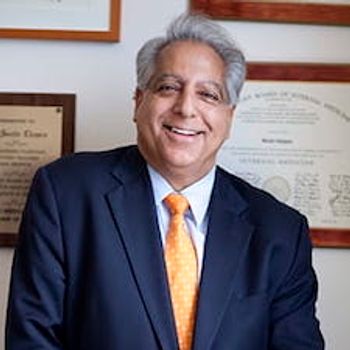
Dr. Chopra described several key points of his Pri-Med Midwest presentation regarding the future of advances in medicine, including artificial intelligence, gut bacteria, and CRISPR technology.
Tim Smith joined the MJH Life Sciences team in 2022 and is currently an associate editor for HCPLive. He is also the executive producer of two podcasts: Skin of Color Savvy and The Medical Sisterhood. Previously, he was the producer of the Lungcast podcast. He graduated from UC Berkeley and worked in multimedia journalism as a staff writer prior to joining MJH. You can contact him at [email protected].
Dr. Chopra described several key points of his Pri-Med Midwest presentation regarding the future of advances in medicine, including artificial intelligence, gut bacteria, and CRISPR technology.

A highlighted description of some key takeaways from presentations at Pri-Med Midwest 2022, including such topics as infectious disease, monkeypox, colorectal cancer, psoriasis, and COVID-19.

An interview with Dr. Anwuri regarding her Pri-Med Midwest presentation on treating adult plaque psoriasis.
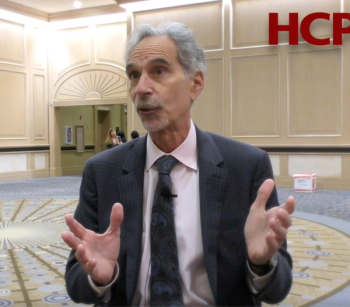
In an interview during Pri-Med Midwest, Dr. Kushner spoke about the benefits of treating obesity and diabetes synchronously.
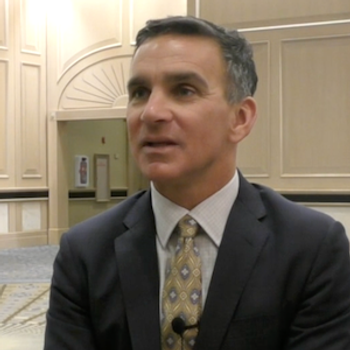
A discussion with Dr. Vega regarding colorectal cancer screenings, aspirin use recommendations, and the current state of healthcare.
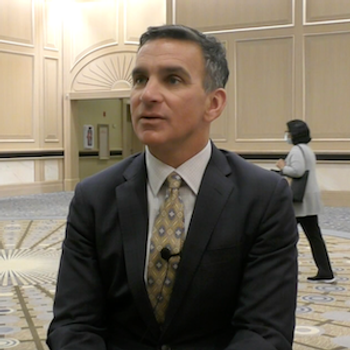
An interview with Dr. Vega regarding atrial fibrillation and clinical manifestations for ADPKD.

A discussion with Dr. Angarone regarding his presentation at Pri-Med Midwest, exploring the topic of treating infectious disease in developing countries.
A discussion regarding highlights from Dr. Charles Vega’s presentation on common urgent care presentations and concerns regarding acute pain.
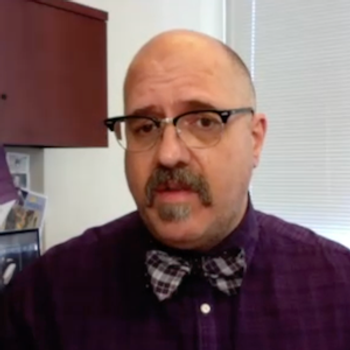
Dr. Angarone highlighted several key takeaways from his presentation at Pri-Med Midwest.
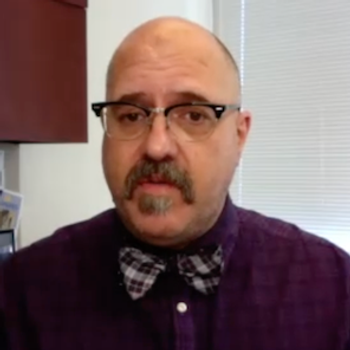
A discussion regarding highlights from Dr. Michael Angarone’s presentation on emerging infectious diseases.

Research suggests disparities between racial and ethnic groups exist among patients with Alzheimer’s disease and related dementias.

A recent study confirmed the safety of tralokinumab with regard to COVID-19 and related vaccinations.

Researchers evaluated the use of IVIG for patients with the rare autoimmune disorder dermatomyositis.

A recent cohort study of 20 emergency departments assessed allergic contact dermatitis cases.

Children at risk for developing asthma may see benefits from a new screening tool developed to detect symptoms in children age 3 and up.

A research team described data regarding the potential of escalating adalimumab doses for certain patients with psoriasis.
A recent study found that worsened visual acuity and depression were associated with neurobiological changes visible through MRI scans.
A combination therapy approach may be useful for psoriasis treatment, though an 8-week regimen may not be long enough.

A discussion with Dr. Lal on the successful trials and recent approval of dupilumab as a treatment for skin inflammation.
Data indicates a greater number of physicians is a better predictor of melanoma diagnoses than UV radiation rates.

A study finds delayed puberty, a comorbidity of epidermolysis bullosa, may affect skeletal health.

The FDA recently approved a drug treatment for prurigo nodularis, studied across over 60 clinical trials.

A review examined the ways in which costs can be reduced for patients with varying types of atopic dermatitis.

A discussion on the positive outcomes of acupuncture for Parkinson’s patients struggling with the effects of anxiety.
Research suggests that tildrakizumab may be useful in real-life settings against moderate-to-severe plaque psoriasis.
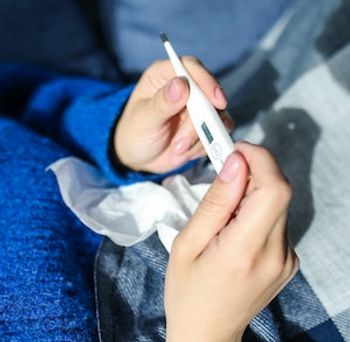
A discussion was held regarding research on the use of antivirals on younger influenza patients.

Research has highlighted new information for the identification of risk factors for dementia.
Research finds potential benefits to using apremilast for plaque psoriasis patients.

A study from the Netherlands suggests steps to address patients’ sleep health.
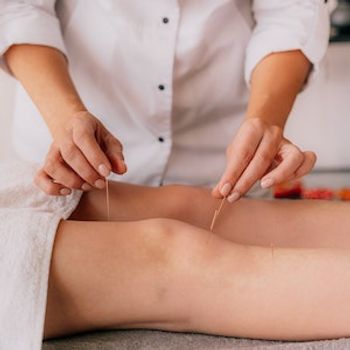
A study in China found that Parkinson’s patients treated with acupuncture saw reduced anxiety levels.