
The anti-TFPI significantly reduced ABR compared to routine prophylaxis treatment in the phase 3 BASIS trial.

Victoria Johnson joined MJH Life Sciences in 2020 and has written for NeurologyLive, CGTLive, and is now an assistant managing editor for HCPLive and RheumatologyLive. She doesn’t have enough time for her various hobbies. You can reach her at vjohnson@mjhlifesciences.com.
The anti-TFPI significantly reduced ABR compared to routine prophylaxis treatment in the phase 3 BASIS trial.

Second-generation long-acting injectables were particularly underutilized, and especially among older patients.

Being female and having bipolar II disorder were independent risk factors for serious AEs in a new study.
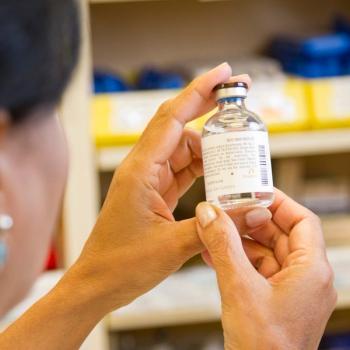
BSC and Fresnius Kabi reached a deal facilitated by Evio Pharmacy Solutions by sidestepping pharmacy benefit managers.
The biosimilars month in review highlights a new approval and 2023 cost savings

A new post-hoc analysis has also revealed improvements in quality of life in patients’ caregivers.

Further research is needed to understand the mechanism behind the link as antibiotic exposure is often necessary in care.
The approval marks the fourth biosimilar approved for ustekinumab, for all approved indications.

To date, biosimilars have supported 495 million incremental days of therapy that patients would otherwise not have received.

Participants in a study in China also experienced comparable safety and immunogenicity.

The biosimilars month in review highlights recent data demonstrating clinical equivalence and efforts to improve their access.

The FDA approved neffy for treating severe allergic reactions in people over 33 kg in August 2024.

Patients receiving Humira or Hulio had the highest satisfaction levels across different measures.
The HCPLive August gastroenterology month in review spotlights expansions in gastrointestinal treatment and screening access as well as the newest edition of Qazi Corner.

There were no significant differences in the overall incidence of AEs and serious AEs.

Rates of adverse events leading to discontinuation were similar between populations of moderate-to-severe psoriasis and psoriatic arthritis.

Adoption rates of infliximab biosimilars only sped up after introduction of a third biosimilar.
For This Year in Medicine, CGTLive looks back at a landmark first approval, the new treatment opportunities it has provided, and the unmet needs in the field it has brought to light.
With several newly approved therapies hitting the market and an overflowing pipeline, the FDA has stepped in to help keep the burgeoning world of biotech on track.
The BLA was supported by positive data from 54 patients with hemophilia B in the pivotal phase 3 HOPE-B trial.
“The approval of ZYNTEGLO marks a watershed moment for the field of gene therapy," Andrew Obenshain, CEO of Bluebird Bio says.

Clinical and industry leaders share their perspectives on the importance of collaboration in developing treatments for rare diseases.

A multitude of promising new investigative therapies are on the horizon for inherited retinal disease.

Exciting new therapies for sickle cell disease are on the horizon. We explored some of the most promising investigational therapies in recognition of National Blood Donor Month.

The study presented at the 2021 AAN Meeting follows the complete response letter issued by the FDA to Acadia Pharmaceuticals due to deficiencies in their sNDA.

Researchers examine how biomarkers are differentially mapped to MRI measures of cortical thickness.

Increasing OSA severity was associated with increasing markers of obesity.

Alector’s announcement about the INVOKE-2 study follows a similar update regarding its INFRONT-3 study for frontotemporal dementia.

Obese individuals were found to have a higher odds ratio of developing IIH compared to non-obese people.

Patients with any presence of small vessel disease had a 2-times greater risk of recurrent ischemic stroke than those without.