





























































A new analysis of claims data performed by clinicians at Penn Medicine suggests less than 1% of patients with ASCVD initiated therapy with a PCKS9 inhibitor from 2015-2019.
A new analysis of claims data performed by clinicians at Penn Medicine suggests less than 1% of patients with ASCVD initiated therapy with a PCKS9 inhibitor from 2015-2019.

Results of a 305-patient trial indicate ischemic leg pain could serve as a threshold for whether or not a patient with peripheral artery disease will see a meaningful improvement in walking score from their walking routine.

An analysis of more than 1.2 million patients from an STS database suggests women were 14-22% less likely to undergo guideline-recommended revascularization procedures than their male counterparts.

An analysis of data and blood samples from more than 28k women provides insight into the predictive value of more than 50 biomarkers for predicting risk of premature coronary heart disease in aging women.
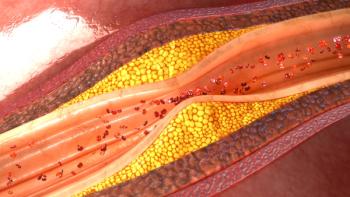
A randomized trial provides further insight into the effects of intensive lifestyle interventions on coronary plaque progression in patients with nonobstructive coronary artery disease.

An analysis of data from 3 major studies details associations between diets characterized by intake of pro versus anti-inflammatory foods with incidence of cardiovascular disease.

A study from ESC Congress 2020 dove deeper into associations between specific biomarkers and risk of CV events in CAD patients with and without diabetes.
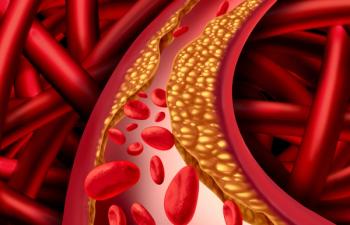
Full data from the EVAPORATE trial presented at ESC Congress 2020 add further evidence of the cardiovascular benefits from use of icosapent ethyl.

An analysis of data from a Society of Vascular Surgeons registry is shedding light on the use of DAPT in patients following peripheral vascular interventions.

A new study is detailing the increased risk of coronary artery disease associated with certain reproductive factors in postmenopausal women.

Among Hispanic and Latino patients with peripheral artery disease 31% reported use of antiplatelet therapy, 26% reported use of lipid-lowering therapy, and 57% reported use of antihypertensive therapy in a new study.

An analysis of 10 randomized clinical trials is shedding new light on the risk of MACE seen by Black patients following PCI versus risk among white counterparts.
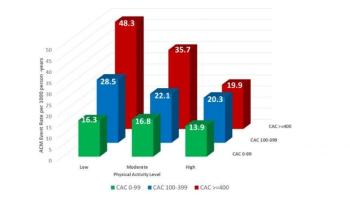
When asked to elderly patients undergoing coronary artery calcium (CAC) scans, the results of a single question offer providers a better understanding of the individual’s risk of death: "On a scale of 1 - 10, how much do you exercise (0-none, 10-always)?"

The oral antiplatelet drug Ticagrelor (Brilinta, Astra Zeneca), was approved this week by the US Food and Drug Administration (FDA) for use in patients with coronary artery disease (CAD) who are at high risk for a first heart attack or stroke.

Obesity, type 2 diabetes or high blood pressure may prematurely age arteries , according to a new study published in the Journal of the American Heart Association.

Patients with Medicare Advantage are more likely to receive guideline-recommended care for coronary artery disease than patients with Medicare Fee for Service. But whether that translates into better outcomes remains unclear, a study shows.