






Atherosclerotic Cardiovascular Disease
Latest News
Advertisement
Latest Videos









CME Content























































Advertisement
More News

Lifetime statin treatment increased quality-of-life-adjusted survival in men and women aged ≥70 years with and without previous CVD in the United Kingdom.

New study finds ASCVD risk score often misses at-risk patients for first acute coronary syndrome, highlighting need for better prediction methods.
The August 2024 cardiology month in review highlights critical data from the European Society of Cardiology Congress 24 and the latest updates on finerenone.

A single blood test using hsCRP, LDL-C, and Lp(a) levels can predict cardiovascular risk for women up to 30 years, emphasizing personalized care.

Women with endometriosis experienced a 20% greater risk of cardiac outcomes compared with women without endometriosis.

Intensive lipid-lowering treatment regimens were linked to a notable reduction in three-point MACE risk and ACS recurrence versus background statin therapy.

Combination therapy with ezetimibe led to a greater reduction in LDL-C levels than statin monotherapy, but no significant effect on MACE outcomes.

A systematic review identified a notable link between the first year of statin discontinuation and the risk of adverse cardiovascular outcomes.

Higher olpasiran doses sustained a ~50% placebo-adjusted mean reduction in Lp(a) levels nearly 1 year after the final dose.
The July 2024 cardiology month in review spotlights new data from obicetrapib, a deep dive into risk stratification algorithms, and studies on the need for optimal care.

A study cautions the AHA's new PREVENT equations may underprescribe statins and antihypertensives, potentially causing 107,000 more ASCVD events in 10 years.

Despite recommendations, an analysis of more than 3.2 million youths suggests fewer than 15% of children/adolescents receive lipid screening.

A study showed participants with symptoms of anxiety and depression had significantly fewer controlled cardiovascular disease risk factors.

Approximately 1454 counties with 2 million residents have no cardiologist in the US, primarily affecting rural and socioeconomically disadvantaged areas.

A new study suggests the AHA's PREVENT risk calculator may reduce statin use for primary prevention, affecting eligibility for millions of adults.

Study finds 2013 ACC/AHA guideline led to immediate improvements in optimal statin use for ASCVD patients and enhanced 5-year MACE survival for populations with ASCVD or diabetes in the US.

Payal Kohli, MD, discusses how recent advancements have changed conversations surrounding modifiable cardiovascular risk and what it means for practitioners.

An analysis of NHANES found aspirin's benefits in primary prevention may hinge on lipoprotein(a) (Lp(a)) levels, halving ASCVD mortality risk with Lp(a) ≥50 mg/dL.

Abbott's Esprit BTK System was shown to significantly reduce risk of ischemic events in patients with PAD versus angioplasty over 1 year.

New data from a phase 3b trial presented at ACC.24 underlines the potential of inclisiran in reducing LDL-C levels among patients with ASCVD.

Elevated Lp(a) may influence LDL-C levels and prevent LDL-C target achievement in patients at very high cardiovascular risk.
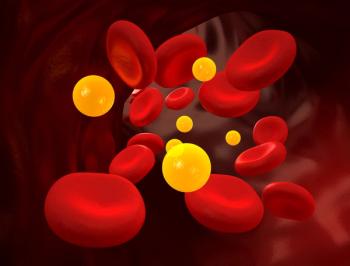
Silence Therapeutics' announcement of topline data from the ALPACAR-360 trial shows promising results for zerlasiran in reducing Lp(a) levels.

A new study found women (1.64) had a greater hazard ratio of depression for CVD than men (1.39).
The approval of the AGENT Drug-Coated Balloon is based on the AGENT IDE trial and was announced by Boston Scientific on March 01, 2024.

This American Heart Month 2024 feature paints a picture describing the current state of cardiology by asking what the most prevalent and important issues facing the specialty are today from the perspective of 9 leading experts.
Advertisement
Advertisement
Trending on HCPLive
1
Tilrekimig Meets EASI-75 Goal in Atopic Dermatitis, With Eric Simpson, MD
2
Tips on Optimizing HS Biologics, Combinations, and Surgery
3
FDA Approves Once-Monthly Subcutaneous Olanzapine for Schizophrenia
4
FAQ: ASH's New Ferritin Thresholds, With Jacquelyn Powers, MD, MS
5