






Atherosclerotic Cardiovascular Disease
Latest News
Advertisement
Latest Videos




CME Content























































Advertisement
More News
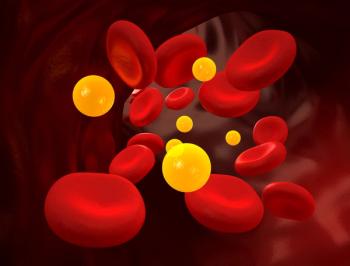
Silence Therapeutics' announcement of topline data from the ALPACAR-360 trial shows promising results for zerlasiran in reducing Lp(a) levels.

A new study found women (1.64) had a greater hazard ratio of depression for CVD than men (1.39).

The approval of the AGENT Drug-Coated Balloon is based on the AGENT IDE trial and was announced by Boston Scientific on March 01, 2024.

This American Heart Month 2024 feature paints a picture describing the current state of cardiology by asking what the most prevalent and important issues facing the specialty are today from the perspective of 9 leading experts.

This recap of top cardiology news from January 2024 spotlights pipeline updates, new guidance on peripheral interventions, and a celebration of what may be the single most impactful public health address in the history of the United States.

Even when cholesterol levels were only moderately elevated, familial hypercholesterolemia variants were associated with greater cardiovascular risk.

The American Heart Association's annual report on heart disease and stroke statistics for 2024 sheds new light on the impact and level of public education surrounding the impact of heart disease and stroke in the US and abroad.

In the CLEAR Outcomes trial, bempedoic acid was associated with a 20% reduction in relative risk for total cardiovascular events, with further analysis shining light on the effects of specific types of events.

Prescribing phosphodiesterase type 5 inhibitors and nitrates together may increase the risk of morbidity and mortality for patients over time.

Randomized trial data shows colchicine administered following catheter ablation did not reduce atrial arrhythmia recurrence or associated clinical events.
Our cardiology month in review spotlights our most popular cardiology-centric content from the month of December 2023. The list includes topline data from SEQUOIA-HCM, new data on the impact of structural racism on chronic health conditions, and more!

Among adults in middle- to high-income nations, awareness of diabetes as a cardiovascular risk factor remains a persistent issue.

In an interview at AHA 2023, Deepak Bhatt, MD, MPH, discusses recent advancements in cardiovascular risk management, with a focus on the evolving recognition of inflammation, Lp(a), and obesity as modifiable risk factors.

Paul Ridker, MD, MPH, discusses the evolving recognition of the role inflammation plays in driving cardiovascular risk among patients with atherosclerosis.

This case report from Brady Pregerson, MD, features a woman in her mid-80s with a history of ASCVD admitted for intermittent chest pain. Check out the ECG and determine the correct diagnosis!

Dr Michos discusses safety and efficacy of available nonstatin therapies and emerging agents for treating hyperlipidemia.

A new initiative from the HFSA highlights key findings on heart failure prevalence, risk, mortality and hospitalization rates in the United States.
Cardiologists discuss managing statin intolerance in clinical practice, highlighting the importance of creating individualized plans and when to initiate nonstatin therapies.
Expert cardiologists discuss data on gender, racial, and ethnic disparities and how to address them in the management of hyperlipidemia.

Incidental CAC detection on ASCVD risk assessment revealed differences in prevalence by age, sex, and race and ethnicity.
The cardiology panelists discuss the importance of screening patients for hyperlipidemia and familial hypercholesterolemia.
The reasons many patients do not reach LDL-cholesterol thresholds.
Mary McGowan, MD, FNLA, reviews real-world data from the Family Heart Database on the clinical consequences of failing to reach LDL-C thresholds.
Mary McGowan, MD, FNLA, discusses real-world data from the Family Heart Database on achieving LDL-C thresholds.
A panel of cardiologists discuss the key updates from the 2022 ACC Expert Consensus Decision Pathway on the role of nonstatin therapies for LDL-C lowering in the management of atherosclerotic cardiovascular disease risk.
Advertisement
Advertisement
Trending on HCPLive
1
Tilrekimig Meets EASI-75 Goal in Atopic Dermatitis, With Eric Simpson, MD
2
Tips on Optimizing HS Biologics, Combinations, and Surgery
3
FDA Approves Once-Monthly Subcutaneous Olanzapine for Schizophrenia
4
FAQ: ASH's New Ferritin Thresholds, With Jacquelyn Powers, MD, MS
5