

Cardiology
Latest News
Advertisement
Latest Videos



Shorts
1:14
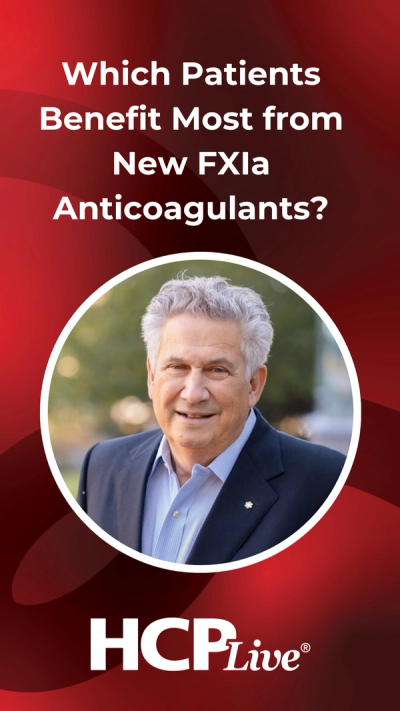
Which Patients Benefit Most from New FXIa Anticoagulants?
3 months ago
by
Jeffrey Weitz, MD

1:26
Stop Rushing PAD Surgery: Give Patients More Time
4 months ago
by
Richard Shi, MD(+1 more)
1:14
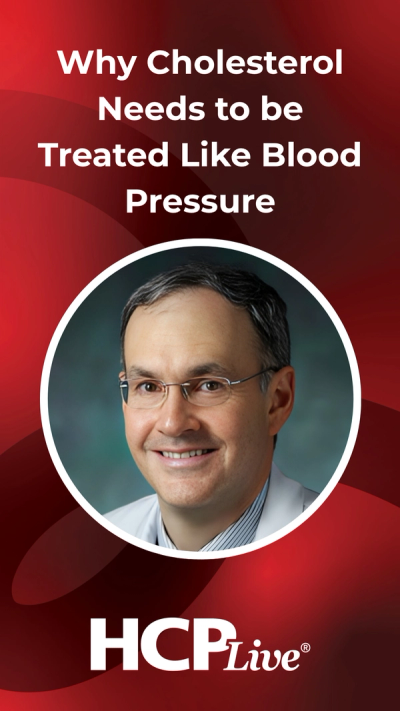
Why Cholesterol Needs to be Treated Like Blood Pressure
4 months ago
by
Roger S. Blumenthal, MD
0:45
Why You Shouldn't Rely Only on Office Blood Pressure Checks
5 months ago
by
Keith C. Ferdinand, MD

1:20
The Biggest Obstacle in Implementing Medical AI
5 months ago
by
Joshua Barrios, PhD(+1 more)

0:44
The Heart Surgeon's Dilemma: Stroke Versus Bleeding Risk
5 months ago
by
Marc Ruel, MD, MPH
1:01
Are Heart Failure Patients Being Ignored?
5 months ago
by
Barry A. Borlaug, MD

1:13
The Power of Treating Heart Health Holistically
5 months ago
by
Kenneth Bilchick, MD

1:03
The First Effective Therapy for nHCM?
6 months ago
by
Ahmad Masri, MD, MS

1:16
Why Primary Care is Key to Closing the Statin Gap
6 months ago
by
Michael Blaha, MD
Podcasts


CME Content






















































Advertisement
More News
Pooled data from 3 trials show H-ISDN cuts all-cause and cardiovascular death in HFrEF, though heterogeneity limits clinical impact.
ADVANCE Outcomes at ERS 2026 demonstrated improved odds of improvement and reduced odds of worsening.
Charalambos Antoniades, MD, PhD, discusses the recent trial investigating an AI-powered stroke and atrial fibrillation predictor.
Deepak Bhatt, MD, MPH, MBA, discusses the next steps for pacibekitug in cardiovascular disease following its success in the phase 2 trial.

Novartis announced pelacarsen did not meet its primary endpoint in the phase 3 Lp(a)HORIZON cardiovascular outcomes trial despite Lp(a) lowering.
A post hoc ALPACA analysis presented at ESC Congress 2026 shows lepodisiran cut Lp(a)-bound oxidized phospholipids by up to 94% at the 400-mg dose.
Deepak Bhatt, MD, MPH, MBA, discusses the efficacy of this investigational IL-6 antibody among patients at high inflammatory risk.

Stephen Greene, MD, and Muthiah Vaduganathan, MD, MPH, break down CARDIO-TTRansform and the new 2026 ESC heart failure guidelines.
PAH specialists discuss sotatercept, risk-based escalation, and access barriers shaping pulmonary arterial hypertension care.

The ASPIRED trial found immediate ECG monitoring in the ED did not reduce recurrent syncope but doubled arrhythmia detection and cut mortality.

The investigational therapy did not achieve statistical significance in KCCQ-TSS or in 6MWD, but saw substantial changes in exploratory secondary endpoints.

H-ISDN missed its primary endpoint in H-HeFT, but a pooled meta-analysis found significant reductions in all-cause and cardiovascular death in HFrEF.
Christie Ballantyne, MD, unpacks SHASTA-3/4 results on plozasiran for severe hypertriglyceridemia, from triglyceride reduction to pancreatitis prevention.

The China Rural Hypertension Control Program found a non-physician-led intensive blood pressure intervention reduced dementia risk by 15% over 7 years.

EPIDAURUS stopped early after potent P2Y12 inhibitors plus a DOAC raised bleeding without reducing ischemic events in patients with AF and MI.

ACASA-TAVI found NOAC monotherapy cut subclinical leaflet thrombosis nearly in half versus aspirin after TAVI, meeting safety noninferiority.
Ashkan Shoamanesh, MD, discusses individualizing stroke prevention after ENRICH-AF, from LAAO to factor XI inhibitors to the ASPIRE trial.

SHASTA-3 and SHASTA-4 found plozasiran cut triglycerides by roughly 80% and acute pancreatitis events by 78% in severe hypertriglyceridemia.
Ashkan Shoamanesh, MD, explains ENRICH-AF's mixed stroke and bleeding results, and a dosing signal that may point to a safer approach.

Ashish Sarraju, MD, discusses phase 1 data showing a single dose of Kylo-11 durably reduced lipoprotein(a) through 48 weeks.
Luke Laffin, MD, discusses 1-year data showing CTX310 produced durable reductions in ANGPTL3, LDL cholesterol, and triglycerides.

CMR GUIDE found ICD implantation did not significantly reduce sudden cardiac death or dangerous arrhythmia versus a loop recorder in LVEF 36-50%.
Ronald Witteles, MD, explains why CARDIO-TTRansform's miss doesn't undermine TTR silencers as a class for treating ATTR-CM.
Phase 2b LUMINARA results showed the oral relaxin agonist AZD5462 improved echocardiographic measures of cardiac function in patients with chronic heart failure.

The Met-HeFT trial and a companion meta-analysis found metformin did not significantly improve cardiovascular outcomes in patients with HFrEF.
Advertisement
Advertisement
Trending on HCPLive
1
eGFR Underestimates CKD in Patients with Cancer, Study Finds
2
Tegoprubart Improves Quality of Life vs Tacrolimus After Kidney Transplant
3
ATTACK: Should Patients With CKD Start Aspirin for Primary Prevention?
4
GLP-1s Tied to Weight Loss in Peritoneal Dialysis, With Steven Brunelli, MD
5