


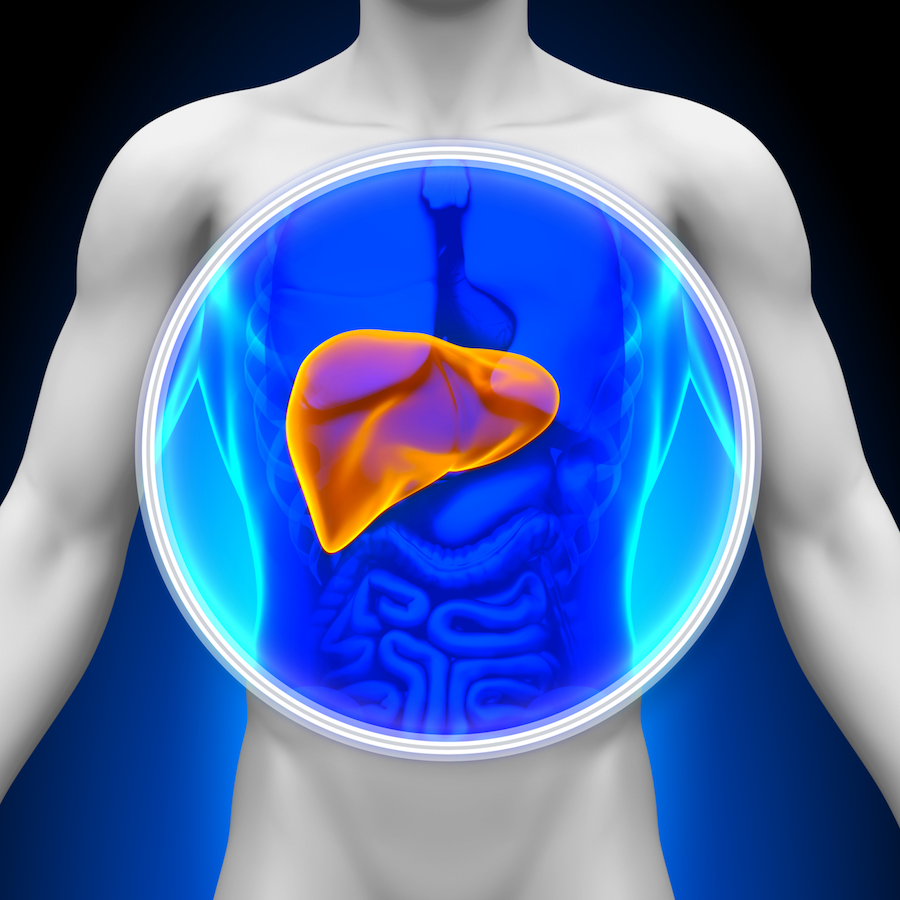





























































Data from a phase 2, double-blind, placebo-controlled study, showed a higher dose of simvastatin was associated with greater liver and muscle toxicity compared with a lower dose for patients with decompensated cirrhosis.

Data from a phase 2, double-blind, placebo-controlled study, showed a higher dose of simvastatin was associated with greater liver and muscle toxicity compared with a lower dose for patients with decompensated cirrhosis.

Treatment was also successful in patients with prior noncompletion or poor adherence to direct-acting antiviral therapy.

Obese patients who underwent weight-loss surgery prior to receiving a liver transplant had a significantly lower risk of metabolic complications post-transplant than those who followed medical weight loss prior to transplant.
The first results of a study on the use of monthly RNAi with ARO-HBV in patients with chronic hepatitis B virus infections indicate that the treatment effectively reduced all measurable viral products, including HBsAg.
The biology of thrombopoietin metabolism in advanced liver disease may be influenced by platelet count and degree of liver failure.

For patients with inflammatory bowel disease (IBD) and C difficile, immunosuppressive therapy escalation for IBD, after treatment for the infection, was not associated with adverse outcomes.

Treatment regimens comprised of DCV+SOF±RBV and VEL/SOF+RBV offer similar cure rates among HCV patients with genotypes 2 and 3.

Recent clinical assessment of gastroesophageal reflux disease has linked it to an inflammatory response triggered by cytokines.

How the therapy is proving capable of giving patients the opportunity to slow down disease progression, while potentially increasing the health outcomes of patients and saving money.
Who is the best candidate for invasive treatment in the GERD population?
How increasing obesity rates have affected the prevalence of GERD and re-prioritized first-line care.
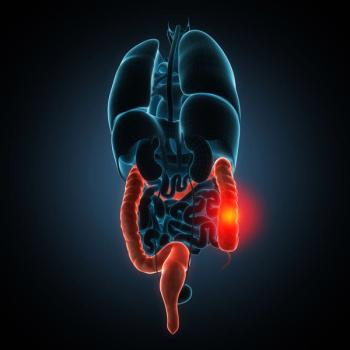
Positive phase 2b data from AbbVie’s upadacitinib demonstrated an induction for clinical remission in patients with ulcerative colitis.

The investigators determined that hepatitis C co-infection increased risk for all-cause mortality in patients with HIV receiving antiretroviral treatment by 4.3%.

New data suggest hepatitis C infection, but not hepatitis B infection, increases the prevalence of diabetes in patients who undergo kidney transplants.

Individuals with hepatitis C infection who use cannabis were also found to have lower total healthcare costs than non-users.

Antibiotic use is believed to be a C difficile infection risk factor for inflammatory bowel disease patients.

New research suggests that the choice of a direct-acting antiviral regimen does not appear to affect liver cancer risk in patients with HCV.

Efficacy was superior to placebo regardless of patient BMI, supporting adequacy of recommended dosing regimens for overweight and obese patients.

Female sex, previous gastrointestinal, and non-gastrointestinal comorbidities are associated with C difficile infection in women with UTIs, study finds.

A face-to-face, case-specific education intervention improved the management practices among nurses who cared for hospitalized patients with C difficile infections.

A new study is the first to identify eosinophil counts as a predictor of outcomes in human patients.

New research says it’s medically possible to use HCV-positive patients as liver donors. Now, a new study finds it’s also cost-effective.

Investigators found 16S rRNA gene qPCR to be more sensitive than culture for detecting C difficile on environmental surfaces.

Implementation of antimicrobial stewardship programs in outpatient dialysis centers reduce infections caused by multidrug-resistant organisms, including Clostridium difficile.

Stay up-to-date on the latest rare disease news by checking out our top 5 articles of the week.