


































































Researchers studied patients with hepatitis C in order to find out the relationship between immune activation and chronic fatigue.
Researchers studied patients with hepatitis C in order to find out the relationship between immune activation and chronic fatigue.

Regardless of the number of previous treatment failures or emergence of the single or double RAVs after the first treatment failure all patients achieved SVR at 12 weeks on the regimen.

The FDA has approved Shire’s prucalopride (Motegrity) for the treatment of chronic idiopathic constipation (CIC).

New research shows the majority of young people get HCV through drug use, but also finds liver disease progresses at the same pace regardless of age at diagnosis.

Investigators also found that opiate agonist therapy could have a positive effect in limiting reinfection rates after patients achieve SVR.

The ethically dubious physician says he has no regrets. Here’s why.

The study found that some C difficile spores can survive the commercial laundry process and may contribute to C difficile outbreaks.

Investigators examined the latest clinical guideline updates for C difficile testing.
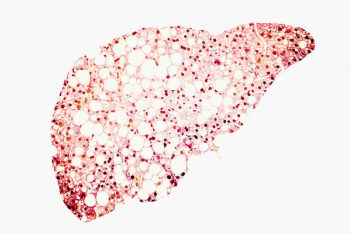
No studies to-date have looked at the combined risk of mortality for patients with thrombocytopenia and severe hepatic steatosis.

A new study confirms that HCV-RNA can be found in the nasal and rectal fluids of patients with high viral loads of HCV, raising the possibility of HCV transmission via these fluids.

A low dose of TDF may help to preserve renal function and maintain viral suppression in patients with chronic hepatitis B virus infection, even those with advanced liver disease.

After the therapy was approved by the FDA in May, investigators are anticipating its first real-world data will paint a clearer picture of its potential.

Successful 8-week treatment of newly diagnosed HCV genotype 1 adds to evidence that early detection could enable shorter, less costly treatments.

How the opioid epidemic and high drug prices have brought the hepatitis C burden onto a younger population in 2018.

HCV RNA in peripheral blood mononuclear cells predicted relapse of HCV genotype 4 in cirrhotic patients who were non-viremic after treatment.

New research suggests HCV coinfection is dangerous for pregnant women with HIV.

New trial results show adding ribavirin to a sofosbuvir plus velpatasvir regimen is beneficial for the considered difficult-to-reach patient population.

Investigators indicated areas of potential improvement for the treatment of new or recurrent C difficile infection.

How fatty liver disease and NASH—as well as the comorbidities associated with them—highlighted this year's discussions.

Young people who inject drugs tell why they do not—or cannot— receive treatment for hepatitis C virus infection.
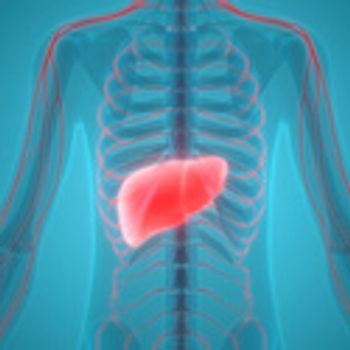
HRS-1 is a rare, acute complication of liver cirrhosis characterized by life-threatening and rapid progression that can end in renal failure. Terlipressin, a vasopressin analogue, could become the first therapy approved for the treatment of HRS-1 in the US.
The antibacterial therapy has been indicated for forms of the disease driven by E. coli.

Older age among children and the use of proton pump inhibitors are linked to severe C difficile infection in pediatric patients, according to new findings.

The new approach could shave off time and costs from the current standard regimen.

How many days between hospital admission and surgery could play a significant role, investigators noted.