

































































Research indicates that rates of Clostridium difficile infection among those typically not considered at high risk of infection are increasing, and these infections are becoming more frequent, severe, and difficult to treat.

Research indicates that rates of Clostridium difficile infection among those typically not considered at high risk of infection are increasing, and these infections are becoming more frequent, severe, and difficult to treat.
Use of this new approach suggests that HCV infection burden in New York City has been underestimated in populations considered high-risk for HCV, and that HCV transmission has increased among young adults in the city.

The study authors state these data can be used to develop a tailored approach to the elimination of hepatitis C virus infection, worldwide.

The results of a new meta-analysis revealed metronidazole was among the worst choices for treating the infection.

The dual use of ribavirin and direct-acting antivirals during treatment for hepatitis C virus was found to independently predict decline in mental health-related quality-of-life.
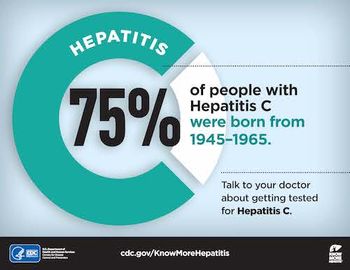
The results of a new study indicate that most physicians are not following the CDC’s recommendation to screen all Baby Boomers for hepatitis C.

One-third of patients with cirrhosis who were also infected with Clostridium difficile were readmitted within 30 days, usually because of recurrent C difficile infection, according to a new nationwide study of hospitalized patients.

New research finds patients hospitalized for alcohol dependence have lower rates of survival if they are also infected with hepatitis C.

The new test compares favorably with other well-established, reference molecular methods and can be performed as an on-demand test by all laboratory shifts with final test results available within 20 minutes.

Clinical trials consistently demonstrate that fecal microbiota treatment is an effective treatment strategy for recurrent CDI, yet standardization practices vary.

The second member of the FDA-approved thrombopoietin receptor agonist drug class was proven efficacious and safe in a pair of phase 3 trials.

The 2 assays from Ortho Clinical Diagnosis consolidates the company's package of devices and systems designed to give patients frequent diagnoses.

One phase 2 study showed that RBX2660, a microbiota-based drug comprised of human stool, was effective in 77.8% of patients.

The paradigm of obesity is complex and requires a multi-disciplinary approach, but it is one of the most gratifying experiences for both the physicians and patient when they see the results of weight loss.

The double-blind, placebo-controlled, parallel-group study that aims to observe linaclotide 290 mcg in 600 adult patients with IBS-C in the US.

Researchers found that patients with a documented penicillin allergy were at increased risk of developing MRSA (60%) and C. difficile (20%), in part due to alternative antibiotic use. However, when tested by an allergist, 95% were not actually allergic to penicillin.

Patients with a co-infection of Clostridium difficile and ulcerative colitis or Crohn’s disease have higher rates of in-hospital mortality and health care resource utilization.

Many antimicrobials prescribed after Clostridium difficile infection are prescribed inappropriately.

A new analysis shows a combination of ombitasvir/paritaprevir, ribavirin, and dasabuvir is safe and effective among older patients with HCV and cirrhosis.
In data assessed for the CE Mark, 70.6% of the patients experienced at least a ≥50% reduction in symptoms or a return to normal rates of bowel voidance at the 6-month mark.

The timing of administrating the drug didn’t seem to matter in terms of efficacy.

New research appears to show a causal link between HCV infection and dysbiosis of the gut microbiota.

This is the first US initiative in to address the potential role of screening and isolation of asymptomatic C. difficile carriers in an outbreak setting as an adjunct to standard infection prevention measures.
The therapy, currently approved in oral and injectable formulations, is being considered for adult women with symptoms.

Automatic alerts can reduce unnecessary testing, which might produce false-positives.