































































The family dog has been implicated in an epidemiological study tracing the spread of Clostridium difficile (C. difficile).

The family dog has been implicated in an epidemiological study tracing the spread of Clostridium difficile (C. difficile).
We present a round-up of recent news, trial results, and other developments for infectious disease experts and other physicians who treat patients with C. difficile infection.

Ginger ale has long been considered a non-medicinal option for soothing upset stomachs. Didier Merlin, MD, and colleagues from the Atlanta VA medical Center and Institute for Biomedical Sciences at Georgia State University, have taken this concept a step further, exploring the use of edible ginger-derived nanoparticles (GDNPs) to treat inflammatory bowel disease.

H. pylori, a bacterial infection of the stomach, may have expansive systemic effects, and clinicians need to raise the index of suspicion when patients report symptoms suggestive of this infection.

Overall sustained virologic response, a marker for a cure, was achieved in 96% of patients with genotype 1b strain of the virus after 12 weeks of Zepatier. In patients infected with genotype 4 of the virus, 94% were cured after 12 weeks of Zepatier treatment.

MD Magazine spoke with world-renowned soccer star, Brandi Chastain, who recently partnered with AbbVie on a new advocacy campaign, My IBD Game Plan, in the wake of her son’s Crohn’s disease diagnosis. Millie Long, MD, MPH, shared the clinical landscape and management methods for the condition.
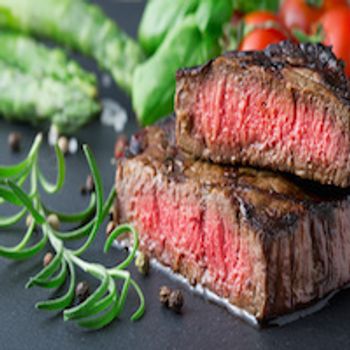
Enjoying a nice steak dinner may actually take a toll on the kidneys, increasing people’s risk for kidney disease, or failure.
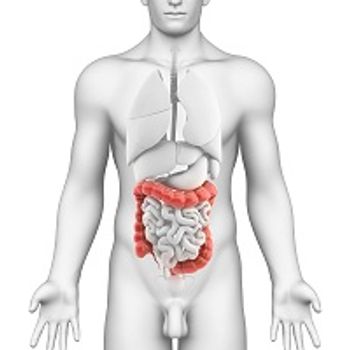
It has become increasingly common for patients having experienced as few as three episodes of diverticulitis to opt for colectomy. A study examines the efficacy of younger, less frequent sufferers receiving the surgery earlier than guidelines typically recommend.

While many physicians recommend weight loss in advance of bariatric surgery, and many insurance provides require it, a wide-ranging study suggests that the benefits of such preparatory dieting may actually be negligible.

California delegation staff attending the Republican National Convention in Cleveland, OH have been struck by an outbreak of norovirus. The jokes were inevitable.

The FDA has approved UltraShape Power (Syneron Medical Ltd) for non-invasive reduction of abdominal circumference through fat cell destruction.

Patients afflicted with ulcerative colitis (UC) that practiced hatha yoga – a practice of physical yoga postures – for a 12-week period noticed a significant decline in their disease activity.
The regulator placed a clinical hold on human trials involving a new investigational hepatitis C drug that targets microRNA following a report of jaundice by someone enrolled in a study.

Approximately 60% of physicians in the US will be sued for malpractice, research and statistics have found.
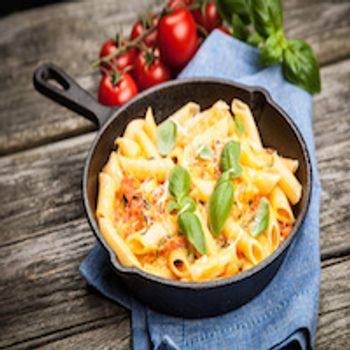
Pasta, the fan favorite comfort food and date night dish has often been associated with high calories, so much so health experts have limited pasta consumption in fad diets.

Before treating that awful heartburn or upset stomach, think twice about that remedy of choice.

Tonsillectomies have typically been considered to be one of the surgical procedures younger patients often irrationally fear.

Over-the-counter diarrhea drug loperamide (Imodium/Johnson & Johnson Consumer Inc.) has recently been in the news because opioid abusers have been using it to self-treat symptoms of opioid withdrawal. Others abuse it for its euphoric properties.
As obesity becomes a growing problem, doctors are turning to weight loss surgeries to help their patients return to a healthy quality of life. Work is being done to make these procedures as non-invasive as possible to help with the recovery and postoperative times.

The overwhelming experience of preparing for colonoscopies may no longer have to be tolerated on an empty stomach.

Could a special type of intestinal cell be at the root of inflammatory bowel disease? Researchers from Rutgers University Newark (RU N) believed so, and wanted to determine how to alter the cells’ behavior to eliminate the disease.
The pharmaceutical company Shire won a patent trial concerning mesalamine (Lialda), an ulcerative colitis drug, according to a company press release.
Patients suffering from multiple sclerosis (MS) should be aware that using the drug mitoxantrone (Novantrone/ Pfizer, Teva) could increase their risk for colorectal cancer.

Previously associated primarily with assessing blood alcohol level, breath tests can now aid in accurately distinguishing irritable bowel syndrome (IBS).

Celiac disease prevalence is highest among US patients originally from the Punjab region of India, according to new research published in Clinical Gastroenterology and Hepatology.