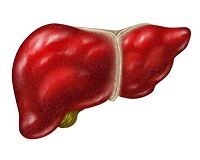
































































Japanese regulators recently approved the blockbuster hepatitis C drug Sovaldi as the first all-oral treatment regimen for genotype 2 patients in that country.
Japanese regulators recently approved the blockbuster hepatitis C drug Sovaldi as the first all-oral treatment regimen for genotype 2 patients in that country.

How could an effective, inexpensive hepatitis C virus (HCV) drug have been available at local pharmacies without clinicians and patients knowing it? Researchers from the National Institutes of Health (NIH) have the answer.

The US Food and Drug Administration (FDA) announced Monday its approval of the Gastric Emptying Breath Test, a new non-invasive test to help diagnosis-delayed gastric emptying, otherwise known as gastroparesis.

Americans' low-fiber diets that tend to be rich in red meats put them at risk for diverticulosis, and by age 60, roughly half of Americans have or have had diverticulosis. It's not clear how many patients with diverticulosis go on to develop diverticulitis, but once diverticulitis develops, 10-25% of patients need surgery, often urgently.
Obese patients looking to lose weight or treat type 2 diabetes have often turned to gastric bypass or other stomach-shrinking surgeries, which have produced favorable results, decreasing cancer risks.

Due to allergy concerns and changing dietary habits, children (particularly adolescents) are consuming fewer nuts. Some researchers are concerned that the lack of this key food could contribute to other health issues later in life.

Although the prevalence of Barrett's esophagus is considered moderate, the condition is the only established precursor of esophageal adenocarcinoma, and thus it has become the focus of programs of endoscopic screening and surveillance.

Patients with exocrine pancreatic insufficiency treated with pancreatin for up to one year experienced improvements in gastrointestinal symptoms and reduction in the severity of their recurrent pain.

A woman successfully treated with fecal microbiota transplantation (FMT) for recurrent Clostridium difficile(C. difficile) from an overweight donor's stool found herself quickly gaining weight afterward to the point of obesity, reported a case published in the journal Open Forum Infectious Diseases.
Assessing the quality of mounting pharmacological evidence, the American Gastroenterological Association (AGA) has updated guidelines on the treatment of irritable bowel syndrome (IBS).

New research suggests bacteria used for beer and bread digestion could potentially be beneficial for combating yeast infections and autoimmune diseases like Crohn's disease.

A group of scientists have recently discovered the method to cholera bacterium's madness: horizontal gene transfer‑stabbing and killing other bacteria to absorb their DNA. The disease, which is associated with acute watery diarrhea, is often caused by Vibrio cholera (V. cholerae) infection within the small intestine.

Express Scripts has dropped Solvaldi, Harvoni, and Olysio in favor of an exclusive deal with the drug maker AbbVie Inc. to prescribe its newly approved hepatitis C drug called Viekira Pak, according to a statement from the prescription drug-benefits management company.
Eating a low carbohydrate diet compared to a low fat diet leads to greater loss of weight as well as a significant reduction in Framingham Risk Score.
Researchers from the University of Missouri recently published study results indicating testosterone may play an integral role within colon cancer tumor formation.
This is 52-year-old woman presented to the emergency with department with a 4-day history of upper abdominal cramping pain, nausea, vomiting, and distended abdomen.

Results from a recent study show that weak bile acid absorption leads to chronic diarrhea among cancer patients.

Although the introduction of peroral endoscopic myotomy (POEM) for the treatment of achalasia, a condition that affects the ability of the esophagus to move food into the stomach, has caused quite a stir, clinicians are reminded to consider additional factors when discussing therapeutic options.
Patients with irritable bowel syndrome with diarrhea (IBS-D) suffer not only the pain and discomfort of frequent loose stools, but fear of incontinence. For many patients, that results in panic and anxiety.

Study results published in the European Respiratory Journal show that rates of inflammatory bowel disease (IBD) incidence have significantly increased in individuals with asthma or chronic obstructive pulmonary disease (COPD).

Affecting just one in every 100,000 people, ANCA-associated vasculitis is not one of the more common conditions nephrologists will encounter. However, without proper treatment it can have serious adverse effects on a patient's life.
Serum-derived bovine immunoglobulin/protein isolate appears to be a safe and effective nutritional moiety in patients with refractory IBS-D or IBS-M.
In diarrhea patients, a frozen capsule fetal microbiota transplantation treatment can be effective to eliminate symptoms.
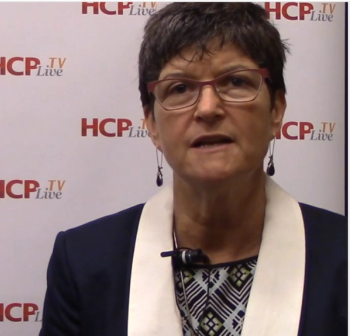
Carol Burke, MD, FACG, FASGE, talks about her phase-3 placebo-controlled trial of Celecoxib in pediatric subjects with familial adenomatous polyposis (FAP) at the 2014 ACG Annual Meeting in Philadelphia, PA.

Inflammatory bowel diseases have an impact on the prognosis of multiple sclerosis, according to a study published in PLOS One.