


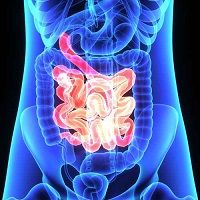





























































The molecular mechanism permitting the bacterium Helicobacter pylori (H. pylori) to survive in nearly 50% of humans' stomachs has been identified, according to research published in Science Advances

The molecular mechanism permitting the bacterium Helicobacter pylori (H. pylori) to survive in nearly 50% of humans' stomachs has been identified, according to research published in Science Advances
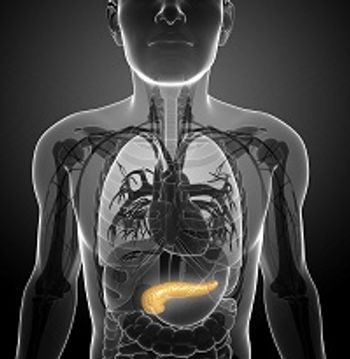
New research on the link between diabetes and pancreatitis has shown a strong association between the severity of pancreatic dysfunction and subsequent risk of developing type 2 diabetes mellitus.

Adults who experienced physical or sexual abuse in their lifetime have a higher risk of developing ulcerative colitis (UC).

New research concludes that the association between celiac disease and exocrine pancreatic insufficiency (EPI) is strong enough that physicians should check for EPI when celiac patients suffer malnutrition or gastric distress despite adherence to prescribed diets.

Women giving birth through in-vitro fertilization (IVF) were reported more likely to experience the after-effects of long-term gastro-esophageal reflux disease (GERD) symptoms.
For patients unable to have regular bowel movements the search for effective treatment can be uncomfortable with limited options. A potential new treatment is being tested where a vibrating capsule could help these patients with regular bodily functions.
As hepatitis C becomes a curable condition and fatty liver disease becomes a growing problem hepatologists are being forced to shift their focus to help a new patient population without some of the tools they have become used to having at their disposal.

New antivirals that can cure hepatitis C infection have changed more than patients' prognoses. MD Magazine interviewed a liver transplant specialist, a transplant recipient, a patient cured by the new antivirals, and their physicians.

Like many urban centers in the Northeastern US, Philadelphia has a chronic shortage of donor livers. But the advent of new antivirals that eradicate hepatitis C infection is starting to change that picture. In a visit to Hahnemann University Hospital, MD Magazine spoke to specialists and patients who are seeing what a difference those drugs can make. Video interviews follow the article.

New research may help explain the connection between exocrine pancreatic insufficiency, gastric bypass surgery, and oxalate nephropathy in humans.

Michigan State University (MSU) researchers have created the first map to predict rotavirus (RV) prevalence on a global scale.

A new study of obese adolescents highlighted the link between obesity and chronic musculoskeletal (MSK) pain and limitations on physical function and quality of life (QOL).

Patients with C-Diff are being treated with fecal microbiota transplantation but there is still more research being done in the field to learn more about the potential benefits in the field.

Hormone therapy has proven a very effective option for many women during menopause but there has also been some evidence that it can increase the likelihood of bleeding disorders. A recent study looked at the link between the two.

Whether it is due to doctors waiting to make a diagnosis or patients waiting to see a doctor in the first place, diagnosis delay can be a considerable issue for patients with celiac disease. A recent study looked at just how big a problem this can be in the medical community.

In previous studies, regular breakfast consumption has been correlated with lower BMI and improved cardiometabolic risk profile. Furthermore, evidence suggests that low-energy density, high-fiber, and high-carbohydrate foods may be more satiating when compared to their alternatives.
Patients coming out of surgery face a variety of risks even when the operation is done. A group is looking into a new device that can help with patients undergoing abdominal surgery to detect ileus after going under the knife.

The internet can be an endless source of information for patients looking to learn more about their conditions and possible treatments and surgical options. Whether those sources provide the help needed is another issue for healthcare professionals to tackle.

Daily vitamin D has been found to potentially aid in Crohn's disease (CD) treatment, according to research published in the journal United European Gastroenterology.
Non evidence-based proton pump inhibitor use should be discontinued in the case of Clostridium difficile infection, according to findings published in JAMA Internal Medicine.
The US Food and Drug Association (FDA) granted approval for eluxadoline (Viberzi) and rifaximin (Xifaxan), to treat irritable bowel syndrome with diarrhea (IBS-D) in adult men and women.

Patients with long-standing ulcerative colitis have shown signs of being more at risk for developing cancer. Research has looked at why that is the case and what can be done to prevent the cancer from progressing.

Transplanting a healthy person's fecal microbiota into the digestive tract of a patient believed to have a recurrent C. difficile infection has gone from obscurity to an accepted treatggggment. But a new study finds it was wrongly proposed for more than 25% of patients referred for treatment.

For anyone who has undergone a colonoscopy the worst part of the procedure is usually the preparation. Between the fluids that need to be ingested and the necessary fasting, it can be a long process before ever seeing the doctor. A recent pilot study looked at ways to change that.

China's type 2 diabetes mellitus (T2DM) epidemic continues to be a pervasive, costly health care issue, with proportions surpassed only by epidemic here in the US. The majority of T2DM treatment guidelines recommend metformin as the first-line anti-hyperglycemic agent for diabetes management due to its relative safety, tolerability, and cost-effectiveness.