


























































Vanda CEO expressed disappointment after FDA fails to approve jet lag disorder treatment due to unclear clinical significance.
Vanda CEO expressed disappointment after FDA fails to approve jet lag disorder treatment due to unclear clinical significance.

The association of depression symptoms with cognition and cortical amyloid measurements could lead to better therapies to prevent Alzheimer disease.
Kala Pharmaceuticals will continue with an ongoing phase 3 trial assessing the solution, and could resubmit its NDA in 2020.
The approval marks the first ever treatment for patients with narcolepsy that is not scheduled as a controlled substance by the DEA.

Poor posture in surgical care has been long associated with worsened clinician health. It is no different in ophthalmology.

Survey responses from 700 Parkinson disease patients and their caregivers show a majority of patients report problems with non-motor symptoms.

Investigators in a new cohort study examine social, functional, and medical characteristics for dementia patients living at home, in residential care, and in a nursing home facility.

Alkahest announces positive top-line data for phase 2 study to treat mild-to-moderate Alzheimer disease.

As patients age, they become more susceptible to the cyclical factors that can drive insomnia severity.

Socially active people in the their 50s and 60s have a lower risk of developing dementia, according to a new study.
What are the symptoms and patient complaints that comprise the common sleep disorder?

New model predicts patients at risk of developing Alzheimer disease up to 2 years in the future.
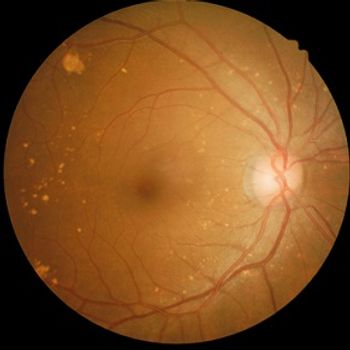
A study presented at ASRS 2019 found that the ranibizumab biosimilar (razumab) was noninferior to ranibizumab after 1 month of treatment.

New study links serum-based liver function markers with known Alzheimer disease biomarkers.

Results of a study from investigators at the Retina Center of Minnesota found that same-day injections were preferred by more than 97% of patients.

Manjot Gill, MD, discusses the results of her study which found early diagnosis and treatment of neovascular age-related macular degeneration could help save a patient’s vision.

Just 2 weeks of therapy could help attenuated autonomic function for geriatric adults.

Medical Director of the Macular Degeneration Association discusses how the evolution of anti-VEGF treatments has changed the landscape of AMD care and the lives of patients.

Results of a study presented at ASRS 2019 found that biweekly anti-VEGF dosing may be an effective treatment for treating nAMD refractory to standard monthly dosing.
The International Congress on the Future of Neurology will take place this Fall in New York City, convening experts in neurology to discuss the latest data and best practices to better inform clinical decision-making.
Jeffrey Heier, MD, presented 24-month results of the PRO-CON study, which found no statistical difference in conversion rates in fellow eyes regardless of prophylactic treatment with aflibercept injections, at ASRS 2019.
Early treatment and completing treatments key to visual acuity improvements in neovasculare age-related macular degeneration.

Ajay Kuriyan, MD, discusses what he warns patients to be aware of when seeking out treatment from stem cell therapies and why he believes other physicians should as well.

An oral therapy for aged-related macular degeneration could be on the horizon after displaying efficacy in a recent phase 2 study.

Carl Regillo, MD, who presented 96-week data of brolucizumab at ASRS 2019, discusses how brolucizumab could impact care of wAMD in a real-world setting.