

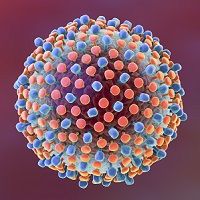











































































A new study confirms that HCV-RNA can be found in the nasal and rectal fluids of patients with high viral loads of HCV, raising the possibility of HCV transmission via these fluids.
A new study confirms that HCV-RNA can be found in the nasal and rectal fluids of patients with high viral loads of HCV, raising the possibility of HCV transmission via these fluids.

Successful 8-week treatment of newly diagnosed HCV genotype 1 adds to evidence that early detection could enable shorter, less costly treatments.

How the opioid epidemic and high drug prices have brought the hepatitis C burden onto a younger population in 2018.

HCV RNA in peripheral blood mononuclear cells predicted relapse of HCV genotype 4 in cirrhotic patients who were non-viremic after treatment.

New research suggests HCV coinfection is dangerous for pregnant women with HIV.

New trial results show adding ribavirin to a sofosbuvir plus velpatasvir regimen is beneficial for the considered difficult-to-reach patient population.

How fatty liver disease and NASH—as well as the comorbidities associated with them—highlighted this year's discussions.

Young people who inject drugs tell why they do not—or cannot— receive treatment for hepatitis C virus infection.
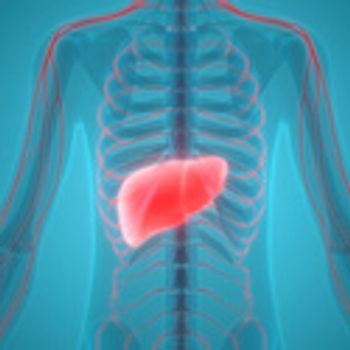
HRS-1 is a rare, acute complication of liver cirrhosis characterized by life-threatening and rapid progression that can end in renal failure. Terlipressin, a vasopressin analogue, could become the first therapy approved for the treatment of HRS-1 in the US.

Norah Terrault, MPH, MD, discusses gaps in treatment in people who are infected with hepatitis C virus and what steps clinicians should take when treating these patients.
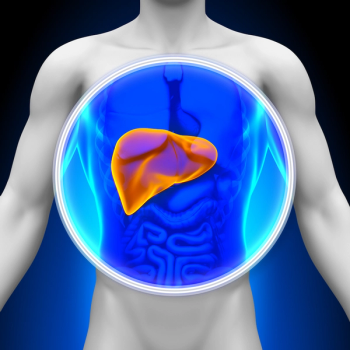
At 12 weeks post treatment per protocol analysis with 8 weeks of glecaprevir/pibrentasvir treatment, patients with hepatitis C virus genotypes 1, 2, 4, 5 and 6 achieved a sustained virologic response.

Investigators praised the excellent effectiveness of both therapies, but advised care regarding the increased odds of adverse events requiring hospitalizations.
A new meta-analysis finds people who were recently incarcerated face significantly higher risks of contracting hepatitis C and HIV infection.

Treatment regimens comprised of DCV+SOF±RBV and VEL/SOF+RBV offer similar cure rates among HCV patients with genotypes 2 and 3.

A new study found that almost all humans have a less active form of interferon lambda 4, a fact that leaves them vulnerable to HCV.

How the therapy is proving capable of giving patients the opportunity to slow down disease progression, while potentially increasing the health outcomes of patients and saving money.

Mathematical modeling projects that Australia could achieve World Health Organization targets for elimination of HCV in a decade. What can the US learn from their efforts?

New data suggest hepatitis C infection, but not hepatitis B infection, increases the prevalence of diabetes in patients who undergo kidney transplants.
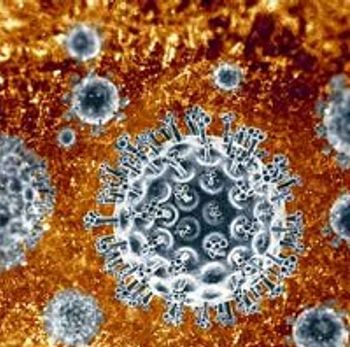
People who are addicted to drugs face a higher risk of contracting HCV. Yet, a new study suggests the majority teens who are addicted to opioids don’t get screened for the virus.

Individuals with hepatitis C infection who use cannabis were also found to have lower total healthcare costs than non-users.

New research suggests that the choice of a direct-acting antiviral regimen does not appear to affect liver cancer risk in patients with HCV.
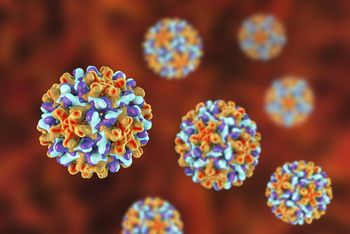
Kenneth Sherman, MD, PhD, discusses prevention measures for hepatitis B, managing co-infections of HIV and HCV, and recent developments to HCV screening processes

This observational data could serve an important role in pharmacoepidemiologic studies that would assess the overall benefit and risks of modern HCV therapies, namely direct-acting antivirals.

Approximately 30% of annual HIV infections are caused by the subset of individuals unaware of their serostatus, and HCV rates have nearly tripled since 2011.

Elbasvir/Grazoprevir has performed well in clinical trials, even among patients with HIV and other coinfections.