










































































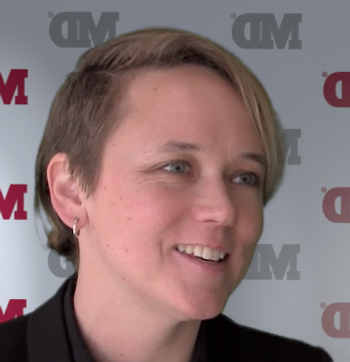
Brianna Norton, DO, MPH, Albert Einstein College of Medicine/Montefiore Medical Center, Bronx, NY, talks about challenges of Hepatitis C treatment.
Brianna Norton, DO, MPH, Albert Einstein College of Medicine/Montefiore Medical Center, Bronx, NY, talks about challenges of Hepatitis C treatment.
Brianna Norton, DO, MPH, Albert Einstein College of Medicine/Montefiore Medical Center, Bronx, NY, talks about the hottest topic in infectious disease.

HCV-positive women of childbearing age undergo premature ovarian deterioration, researchers wrote.
Hepatitis C drug treatment resistance can be met and defeated by longer treatment or additional agent.

A triple combination of hepatitis C agents administered with another manufacturer's direct acting antiviral overcomes most difficult-to-cure Genotype 3.
Poverty and poor healthcare raise the trending global risks.

Neurotoxin EB-001's fast treatment start-up and shorter duration could make for a different focal pain reliever.

Could US leaders in government and health care follow the same route?

The device provides hybrid pulsed radio frequency waveforms that create electromagnetic effects, offering immediate chronic intractable pain relief.

The sofosbuvir-based therapy was reviewed in a real-life Scandinavian study

It's been a busy week in the world of public and private health care. Here's everything you need to know to stay connected.

Readmission reduction has the potential for broad impact, especially in disadvantaged populations.

A flavonoid called rutin inhibited HCV-like particles from binding to hepatoma cells and inhibited HCV from entering the cells during the virus’s initial entry stage.

The drugs proved to be less costly than living without treatment, while also improving patients' life expectancies.
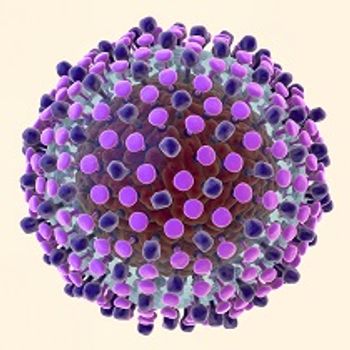
A new clinic that treats hepatitis C in India’s most populous state has provided 356 patients with direct-acting antiviral drugs free of charge.
Study shows that GRT is useful for identifying effective alternative treatments.
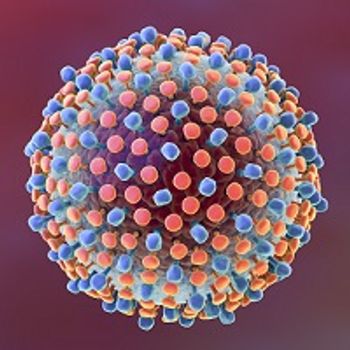
Study looks at whether DAA drugs eliminate HCV from the body or improve survival.

DAAs Cost $1309 Less Over Lifetime Than Providing No Treatment
More good news on treatment for hepatitis C patients.

Effective hepatitis C drugs continue to be withheld from patients.
Even patients with cured hepatitis C from DAAs exhibited liver inflammation.

See the pyramids, get hepatitis C treatment? Egypt promotes medical tourism.

Published literature says the pre-seroconversion window period lasts around 45 days.
Researchers found that, at most, 4% of people with cirrhosis will develop HCC.

Merck just got $2.54 billion richer with the ruling of a federal jury.