



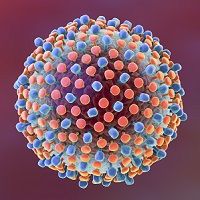









































































Treatment of HCV was associated with lower risk for other maladies in the largest western study of the relationship between antiviral treatment and extrahepatic conditions.
Treatment of HCV was associated with lower risk for other maladies in the largest western study of the relationship between antiviral treatment and extrahepatic conditions.

Researchers isolated the neurotoxic complex crotoxin from the venom of Crotalus durissus terrificus, commonly known as the South American rattlesnake.

Those in deprived populations—the homeless, those with substance abuse disorder, sex workers, and prisoners—have a significantly higher rate of all-cause mortality than their counterparts.

The CDC's committee voted unanimously to support the vaccine, widening its availability to patients through health care coverage and plans.
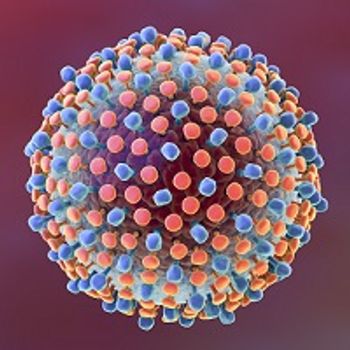
There has been only 1 study into the effect of viral eradication using interferon-based HCV therapy on the development of hepatic steatosis in patients with genotype 3 infection.


Spontaneous clearance peaks at 12 months, with 36.1% of patients achieving spontaneous clearance of HCV by that point in time.

DAAs have made the risk of HCV infection both manageable and ethically acceptable.

Direct-acting antiviral agent treatment of HCV was well tolerated and appeared synergistic with chemotherapy of comorbid non-Hodgkin's lymphoma.

The research has the potential to add a less expensive adjunctive therapy to improve current HCV regimens.

Researchers used molecular genetic and biochemical approaches to understand the capacity of a virus to create and use pores punched through the cell membrane.

Increased prevalence of HCV infection among hospitalized children is linked to increase in substance abuse

HCV reactivation can occur during treatment of non-hepatic cancer, increasing risk of hepatic injury and interfering with cancer treatment.

Patients with hepatitis C and IR can develop a resistance to antiviral therapy, as well as fibrosis, steatosis, hepatocellular carcinoma.

More than 75% of hepatitis C patients suffer from conditions beyond the kidney. A roundtable group is trying to spread that fact.
Acute hepatitis C cases rose 133% from 2004 to 2014, while admissions to substance use disorder treatment facilities for opioid injections climbed 93%.

Although recent data suggests that the number of children born infected with HCV is on the rise, the number of reported cases is lower than expected

Treatment Response in HCV infection can be monitored with serologic detection of HCV antigen rather than molecular detection of HCV-RNA.

Maternal HCV infections at the time of a baby’s delivery almost doubled to 3.4 per 1000 live births in 2014, from 1.8 per 1000 in 2009.

Ribavirin is still required in the era of direct-acting antivirals and can be optimally dosed for difficult-to-cure hepatitis C.

The CFDA approved Gilead’s sofosbuvir for use as standalone drug or as part of a combination treatment in September 2017.

HCV vaccine candidates have been yielded by the virus genome's high genetic variability, and lacking suitable animal models.

HCV genotype 6, the most prevalent in Southeast Asia, resolves with 8 weeks of treatment with direct acting antivirals available in the region.

The LiverMultiScan can quantify liver fat, and is compatible with MRI devices.

Large study finds increased risk of hepatocellular carcinoma with cirrhosis, but not with direct-acting antiviral HCV treatment.