











































































The study authors state these data can be used to develop a tailored approach to the elimination of hepatitis C virus infection, worldwide.


Sofosbuvir-Based DAA Regimens Effective for Achieving 12-Week SVR in Chronic HCV
The study authors state these data can be used to develop a tailored approach to the elimination of hepatitis C virus infection, worldwide.

The dual use of ribavirin and direct-acting antivirals during treatment for hepatitis C virus was found to independently predict decline in mental health-related quality-of-life.
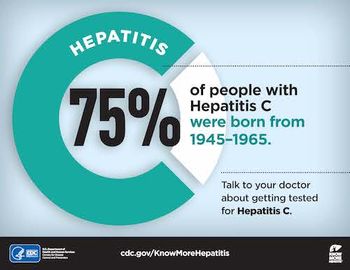
The results of a new study indicate that most physicians are not following the CDC’s recommendation to screen all Baby Boomers for hepatitis C.

New research finds patients hospitalized for alcohol dependence have lower rates of survival if they are also infected with hepatitis C.

The second member of the FDA-approved thrombopoietin receptor agonist drug class was proven efficacious and safe in a pair of phase 3 trials.

The 2 assays from Ortho Clinical Diagnosis consolidates the company's package of devices and systems designed to give patients frequent diagnoses.

A new analysis suggests the benefits of universal HCV screening would outweigh the significant costs.

A vaccine for hepatitis C would likely not eliminate the risk of transmission, but a new study suggests it would dramatically reduce transmission rates among drug users from 90% to 25% or less.
SYMTUZA has been approved by the FDA based on the data of a pair of 48-week pivotal phase 3 trials which showed the non-inferiority safety and efficacy of the drug versus a controlled regimen.

Researchers suggest a need exists for integration of hepatitis C treatment into all facets of addiction care for individuals who inject drugs.

New research suggests cirrhosis, not HCV status, is the reason diabetes rates are higher among HCV-infected patients.

A new analysis shows a combination of ombitasvir/paritaprevir, ribavirin, and dasabuvir is safe and effective among older patients with HCV and cirrhosis.

A new analysis shows fully one-third of patients prescribed direct-acting antivirals are denied coverage by their insurers. Denial rates are even higher for patients with private insurance.
ContraVir plans to begin a streamlined early clinical program to test the clinical safety and efficacy profile in healthy volunteers and HBV-infected patients.

A University of Surrey research professor has developed a mathematical model based on earlier models, for monitoring HCV progression and treatment response.

New research appears to show a causal link between HCV infection and dysbiosis of the gut microbiota.

A recent CDC report shows an association between the increase in HCV infections and the opioid crisis. Because HCV symptoms may not appear for decades, people often go undiagnosed, which delays treatment.

By the time of diagnosis, patients often have costly complications involving the liver.

The addition of ribavirin to direct-acting antiviral treatment of HCV with cryoglobulinemia aided to achieving immunological response.

HCV heightens the risk for kidney disease but, the disease's treatment improves rates of survival in patients on hemodialysis.

A higher prevalence of HCV in adults who received surgery for congenital heart disease as children is a "double whammy" when procedures leaves systemic venous congestion affecting hepatic veins, researchers said.

Eight weeks of ledipasvir and sofosbuvir for HCV genotype 1 was found as effective as 12 weeks in patients of different race and ethnicity despite guidelines recommending the shorter treatment for non-black patients.

A new assessment of the association between alcoholism and brain structure is emphasized by current data indicating a major increase of 106.7% in alcohol use disorder in the US population aged 65 years or older.

Results contradicted previous studies that did not account for baseline differences between DAA- and interferon-treated patients.

The approved use of a direct-acting antiviral combination for 8 weeks to treat HCV genotypes 1 and 3 was supported by data from over 1200 patients.