





HIV/AIDS
Latest News
Advertisement
Latest Videos






CME Content




























































Advertisement
More News

HIV-2 is not less life-threatening than HIV-1, according to new research. The only difference is in the timing.

New research warns that the mechanisms behind HIV latency vary significantly in the blood and the gut.

Prevalence of hypertension in HIV-positive persons is not attributed to antiretroviral drug treatment in largest adverse event surveillance study.

A combination of raltegravir plus boosted protease inhibitor was found equal to triple antiretroviral combination for HIV even in patients with previous treatment failure.

In general, the high incidence and strong persistence of HPV infections among HIV-infected patients are a result of immunosuppression.

Men who don’t get much sleep also tend to make poor sexual decisions when it comes to HIV prevention, a new study suggests.
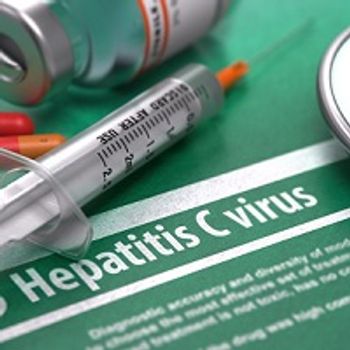
A new meta-analysis finds people who were recently incarcerated face significantly higher risks of contracting hepatitis C and HIV infection.

A retrospective review finds HIV post-exposure prophylaxis is often prescribed outside of guidelines’ recommendations in response to patients' emotional stress.

Researchers have long associated HIV exposure with a heightened risk of congenital cytomegalovirus in infants. However, new research finds the risk is highest if HIV is contracted during the pregnancy.

The 4th generation VITROS Immunodiagnostic Products HIV Combo Reagent Pack and Calibrator has been approved by the FDA for use on the VITROS 5600 Integrated System.

Adolescents living with HIV suffer fewer disease-related symptoms when they and a family member plan for end-of-life care.

When providers fail to recognize and combat stigma in their ranks, undiagnosed persons with HIV may go unidentified and fail to get quality care and treatment.
Hispanic/Latina women in the US access HIV treatment at same rates as men despite facing greater challenges.

Statistical analysis reveals cardiac effects of individual antiretrovirals in combination treatments for children infected with HIV perinatally.

The investigators determined that hepatitis C co-infection increased risk for all-cause mortality in patients with HIV receiving antiretroviral treatment by 4.3%.

Only about half of people living with HIV who were released from prison or jail remained in HIV care 1-2 years after release.

A pair of new studies suggests combining 2 new broadly neutralizing antibodies might be an effective way to achieve long-term HIV viral suppression without the use of antiretroviral therapy.

New research finds a mobile-optimized HIV-prevention program works, but its impact dissipates with time.

Just 1 of 72 resident physicians surveyed at a North Carolina medical school had ever prescribed PrEP to a patient at high risk of contracting HIV.

A Dallas-based study found that an adult hospital with a universal screening policy was far more likely to provide screenings to high-risk patients aged 13 or older.

DOR/3TC/TDF demonstrates noninferior efficacy and safety compared with continuing other ART regimens in a phase 3 trial.
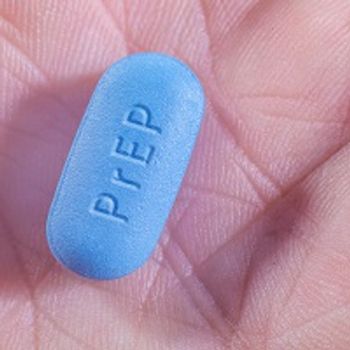
Investigators analyzed data from PrEP-eligible patients at the New York City Health + Hospital/Bellevue which showed that women and minority patients were less likely to be prescribed PrEP for HIV prevention.

Race and sex can play a role in the annual BMI gain for patients with HIV who are receiving certain antiretroviral therapy combinations.

An intervention of scheduling an appointment and contacting the patient successfully increased re-engagement among patients with HIV who had not had a primary care visit in the previous 6 months.
Approximately 30% of annual HIV infections are caused by the subset of individuals unaware of their serostatus, and HCV rates have nearly tripled since 2011.
Advertisement
Advertisement
Trending on HCPLive
1
The Case for Routine Kidney Screening, With Pranav Garimella, MBBS, MPH
2
FDA Approves Obinutuzumab (Gazyva) for Idiopathic Nephrotic Syndrome
3
What The FDA Psychedelic Hearing Means for Psychiatrists
4
The HCPFive: Top News for Healthcare Providers from the Week of 09/20
5