





HIV/AIDS
Latest News
Advertisement
Latest Videos





CME Content




























































Advertisement
More News

When expectant mothers started antiretroviral therapy before pregnancy, their HIV-exposed but uninfected infants had lower infection risk than infants whose mothers started ART during pregnancy.

The PrEPmate support intervention increased visit attendance and PrEP adherence among young men who have sex with men.

New research finds two-thirds of gay and bisexual men who know about pre-exposure prophylaxis have a positive view of it. The challenge is that only 4% are using it.

A small number of patients with HIV are able to maintain viral control even after they stop taking antiretroviral therapy.

Switching to the smallest complete daily pill for HIV from other regimens with different components of the same drug classes proved advantageous for patients with HIV, treating the infection with less adverse effects.

Symptoms of cardiovascular disease, including intima-media thickness and coronary artery calcium, were more common in patients with HIV and cytomegalovirus.
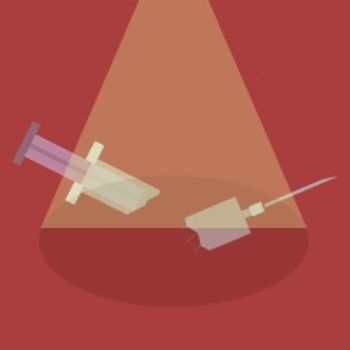
Evidence from a number of countries suggests that America’s expansion of opioid addiction treatment programs will pay dividends in curbing rates of HIV transmission among people who inject drugs.

Addressing housing arrangements during a medical visit may be as important as addressing blood pressure or blood sugar levels.

A daily dose of aspirin could reduce HIV transmission rates by reducing inflammation and thus the number of HIV target cells in the female genital tract.

Flexible, individualized counseling for HIV patients who also use injection drugs also resulted in improved viral suppression.

The risk of acute coronary syndrome recurring after hospitalization was not found to be increased in individuals infected with HIV.

Investigators found associations between ART and ISTI-based regimens and increased viral suppression rates across the United States.

DELSTRIGO and PIFELTRO have been indicated for the treatment of HIV-1 infection in adult patients with no prior antiretroviral treatment experience.

Results of an analysis indicate suicidal behavior occurred more often in patients taking an efavirenz-based treatment for HIV than in a control group that had not started treatment.

The first darunavir-based single tablet regimen for HIV has shown positive results in trials as both a switch therapy and for the rapid initiation of treatment in those who are newly diagnosed.

Phase 3 data for ibalizumab showed that nearly half of patients had a reduction in viral load of more than 80% after 25 weeks of therapy.

A review of the research on eHealth and mHealth interventions for youth with HIV concludes these types of interventions should be scaled up and more widely implemented.

Participants in the Project LifeSkills intervention had a 39.8% greater mean reduction in condomless sex compared to participants receiving standard care.
A retrospective study showed a probability of maintaining HIV viral suppression of 98.2% at 48 weeks and 95.1% at 96 weeks, with the switch to the dolutegravir/lamivudine antiretroviral regimen.

Use of Long-Acting Injectable PrEP May Be Hindered by Health Care Provider Visits, Efficacy Concerns
Two studies examine whether users of daily oral PrEP would switch to a long-acting injection with interesting results.

Merck’s new non-nucleoside reverse transcriptase inhibitor (NNRTI), doravirine, achieved viral suppression in 73.1% of patients, according to new data released by the company.

Overweight and obesity in people with HIV are linked to behavioral factors and longer lives, not adverse effects of antiretroviral therapy, according to a new study.

A new company says urine tests can help physicians determine whether a patient at risk of HIV infection is adhering to their pre-exposure prophylaxis regimen.

At the 100-week mark, 89% of participants taking dolutegravir/rilpivirine (Juluca) maintained viral suppression, with viral loads of < 50 copies/mL.

Researchers found that just 18.4% of young women diagnosed at pediatric emergency departments with pelvic inflammatory disease received HIV and syphilis screening, despite their higher risk for those sexually transmitted infections.
Advertisement
Advertisement
Trending on HCPLive
1
The Case for Routine Kidney Screening, With Pranav Garimella, MBBS, MPH
2
FDA Approves Obinutuzumab (Gazyva) for Idiopathic Nephrotic Syndrome
3
What The FDA Psychedelic Hearing Means for Psychiatrists
4
The HCPFive: Top News for Healthcare Providers from the Week of 09/20
5