



HIV/AIDS
Latest News
Advertisement
Latest Videos


CME Content




























































Advertisement
More News

A modelling study showed that injectable PrEP could be more effective at reducing HIV transmission than oral PrEP.

New research suggests cirrhosis, not HCV status, is the reason diabetes rates are higher among HCV-infected patients.

Reports published by the CDC indicate that HIV screening is underutilized, and that providers often do not offer the test to patients who could benefit.

New research finds patients with HIV and chronic pain are aware that opioids are addictive, yet most don’t receive common addiction-prevention monitoring.

Sterile syringe access as part of comprehensive HIV prevention is important to control and prevent outbreaks.

New research from the University of Virginia shows that a smartphone app can make a major impact on the health of people living with HIV.

Just 12% of the US population, African-Americans account for nearly 50% of the HIV/AIDS cases in the country.

Eligibility criteria for HIV pre-exposure prophylaxis (PrEP) based on behavioral markers does not capture all with biological markers for HIV risk.

HIV-positive patients who take antiretroviral therapy have a lower risk of cancer than HIV-positive patients who are not taking antiretroviral drugs.

A new Australian study found overall condom use decreased when PrEP was introduced into the region.

Obstructive sleep apnea could be the cause of fatigue in many people with HIV.

A team of researchers in California found a way to short-circuit the protein that would otherwise allow HIV to wake from dormancy.

The first study to explore long-term impact of AIDS activism finds posttraumatic stress responses concurrent with posttraumatic growth.
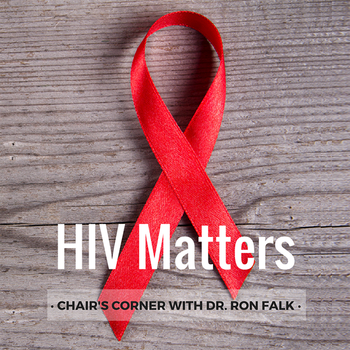
This podcast series details the ins and outs of managing, preventing, and treating HIV, from the perspective of the faculty and patients of the UNC Institute for Global Health & Infectious Diseases.

Even when patients are on ART, the use of stimulants can make their disease worse, according to new research.

Researchers aim to prove that it’s safe for an HIV-positive patient to receive a kidney donation from an HIV-positive donor.

Misinformation about clinical research, mistrust between scientists and the community, and HIV-related stigma often impede efforts to find an HIV cure.

Review finds PrEP can prevent HIV when those at-risk have access, and are adherent to the treatment.
This is the first agent indicated for uninfected adolescents at risk of acquiring HIV.

On average, shorter gaps in care were not detrimental to patient viral load status, though certain subgroups of patients may benefit from more frequent viral load monitoring.

New research gives more evidence about when and how quickly neurological deterioration occurs in patients with HIV.

Antiretroviral drug levels were monitored to determine whether they are useful in guiding regimens for treatment-resistant HIV-AIDS.

The clinically relevant findings suggest that infant passive immunization with second-generation broad and potent bNAbs could be an effective strategy to block mother-to-child HIV transmission.

Modeling predicts cost-effective approach to HIV drug resistance in low-resource, highly afflicted sub-Saharan Africa.
This is the first drug in a new class of antiretroviral medications that does not require daily dosing and can greatly provide benefit to patients who have run out of HIV treatment options.
Advertisement
Advertisement
Trending on HCPLive
1
The Case for Routine Kidney Screening, With Pranav Garimella, MBBS, MPH
2
FDA Approves Obinutuzumab (Gazyva) for Idiopathic Nephrotic Syndrome
3
What The FDA Psychedelic Hearing Means for Psychiatrists
4
The HCPFive: Top News for Healthcare Providers from the Week of 09/20
5