



























































Hospital Medicine

Latest News


CME Content


It is well established that among patients with the clinical syndrome of heart failure, approximately half have preserved systolic function, known commonly as heart failure with preserved ejection fraction (HFpEF). Although originally considered to be a syndrome that pathophysiologically involves diastolic dysfunction, ongoing investigation suggests that although diastolic abnormalities may be present in many patients, other aspects of pathophysiology likely also contribute to symptoms. This study examined the association of beta-blockers with mortality in patients with HFpEF.

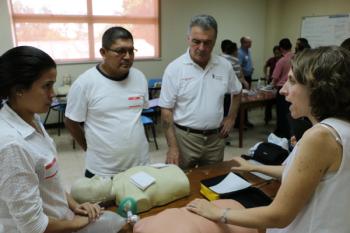
It is widely accepted that sexual activity is an important component of quality of life for men and women with cardiovascular disease (CVD), as well as for their partners, and is a safe activity, in general. Yet, older studies show that most CVD patients do not believe they have been educated by health care providers on when to resume sexual activity or any necessary restrictions following acute myocardial infarction.

Pre-exposure prophylaxis (PrEP) is a strategy with significant historical precedent in the infectious disease field. Applied to HIV prevention, at-risk individuals would take PrEP to protect against HIV acquisition in case of any planned or unplanned exposure, potentially permitting HIV prophylactic control by the uninfected individual.

Many patients with chronic subdural hematomas are referred to neurosurgeons who generally agree that surgical drainage is warranted. Controversy surrounds the decision as to which drainage method is best because evidence is lacking. Surgeons often therefore select the procedure based on other factors.

As endovascular treatment has come under the microscope in recent years several studies have shown with the right training and equipment it can be a viable option for stroke patients.

Dehydrated stroke patients tend to do worse than those who are hydrated, a Johns Hopkins team found. The next question is whether all such ischemic stroke patients should get fluids when they arrive at the hospital, contrary to current recommendations.

Many health care organizations have started to lessen their environmental impact slowly by tackling small problems and making manageable changes. A multidisciplinary team of researchers from across the US carved out one surgical procedure to determine environmental impact. Their assessment of abdominal, vaginal, laparoscopic, and robotic hysterectomy appears ahead of print in the journal Environmental Science and Technology.