





























































Hospital Medicine

Latest News


CME Content


A 28 year-old commercial realtor comes to your office on Monday morning after spraining his right ankle in a basketball game with friends the preceding Saturday afternoon. He has a swollen right ankle with tenderness inferior and anterior to the lateral malleolus. He is limping but able to apply weight to the injured extremity.
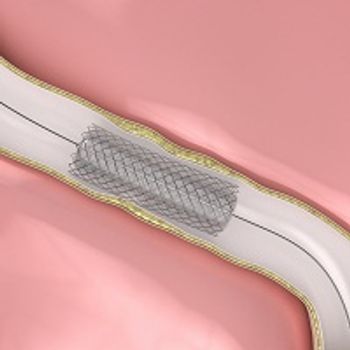

Cardiologists have discussed the pros and cons of drug-eluting stents (DES) for several years. Some evidence seems to indicate that DES reduce risk of restenosis or ischemia-driven target vessel revascularization. They may, however, be more prone than bare metal stents to late (beyond 1 year) and sudden coronary artery occlusion.

Distal radius fracture-also called a wrist fracture by patients-is common. Its incidence is expected to increase in the next 20 years, since our population is aging and the risk of this specific fracture increases in patients with metabolic disorders, including osteoporosis. However, the health care community has yet to reach a consensus regarding indications for surgery, and there is insufficient data to identify a preferred operative technique.

Lung infection bacteria levels will be tested via blood samples in emergency department patients in a new study being conducted at the University of Pittsburgh Medical Center.

Clinicians who see their own clinical outcomes data (sometimes referred to as surgeon-specific mortality data) can use that information to promote and enhance patient safety. However, critics of this approach argue that places the burden solely on the surgeon and under-appreciates the surgical team's role and dismisses hospital staffing, infrastructure, and process as contributors to patient safety.

For patients suffering a first-time cardiac event there could be warning signs in the form of a condition called vital exhaustion. A recent study looked at the causes and signs of vital exhaustion and potential preventive measures and treatments for these patients.

Affecting just one in every 100,000 people, ANCA-associated vasculitis is not one of the more common conditions nephrologists will encounter. However, without proper treatment it can have serious adverse effects on a patient's life.

This is a 23-year-old female admitted for the first time who provides the history of congenital right chest wall deformity, right hypoplastic breast and absent right pectoralis muscles (1). Preliminary upright PA, lateral and right posterior oblique radiographs were obtained to evaluate the osseous and soft tissues of the thorax prior to cosmetic surgery and repair. No past history was made available.

Calculation and interpretation of the anion gap is extremely useful in the evaluation and treatment of the patient with metabolic acidosis. In this installment, we look at case examples involving patients with multiple sclerosis and urosepsis; COPD, diabetes, and renal failure; and type 1 diabetes.