































































Hospital Medicine
Latest News
Advertisement
CME Content
Advertisement

Company is seeking FDA approval for its all-oral, interferon-free regimen for the treatment of adult patients with chronic genotype 1 hepatitis C.

Panic attacks are common, but by themselves, they are not a disorder. When the attacks become the focal point of one's mental life, then the diagnosis of panic disorder is appropriate.

New guidance from the WHO includes nine key recommendations covering screening, treatment, alcohol use assessment and counseling, and measures to prevent transmission of the virus.
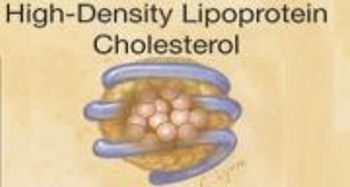
Study results show testosterone therapy reduces total cholesterol, low-density lipoprotein cholesterol, and triglycerides while boosting high-density lipoprotein cholesterol.
Several studies have shown good results with Roux-en-Y gastric bypass and laparoscopic gastric banding when combined with lifestyle modifications in severely overweight patients with type 2 diabetes.
Mitigating the risk of stroke, heart failure, and death when treating patients with atrial fibrillation requires a careful consideration of patient characteristics and management options.

SAPPHIRE II trial results show sustained virologic response in 96% of treatment-experienced patients with genotype 1 hepatitis C who were treated with interferon-free, triple-drug regimen.

Changes to the recommended use of various medications and catheter ablations rank among the highlights of comprehensive new guidelines for the treatment of patients with atrial fibrillation.

Fitful nights of sleeplessness and daytime fatigue were more common among people with hepatitis C regardless of whether they had cirrhosis of the liver when compared to the healthy control group involved in a small study.
Study results presented at ACC.14 show treatment with PCSK9 inhibitor evolocumab significantly reduces LDL-cholesterol levels in patients with hypercholesterolemia.

Sodium picosulfate, a commonly prescribed medication for bowel prep prior to colonoscopy, is associated with increased risk of hyponatremia in older adults compared to polyethylene glycol.
Patients with unreasonable or uninformed expectations are often unprepared for the postoperative period and dissatisfied with their outcomes. As a result, healthcare professionals are dedicating more time to studying and managing patient expectations, including making sure all involved have a clear understanding of what to expect in terms of risks and benefits.

Data show improved survival rates and other outcomes are associated with rapid response when cardiac emergencies occur.

According to a recent systematic review, the prescient and short-term use of NSAIDs and opioids with pharmacological sensitivity to an individual's comorbidities may result in pain relief, improved functioning, and reduced vocational and avocational absenteeism.

Stressing the significant effect heart failure has on quality of life, a study published in Heart found that patients' and their families' lack of knowledge on their condition causes delays in seeking medical attention and an absence of a long-term care plan.
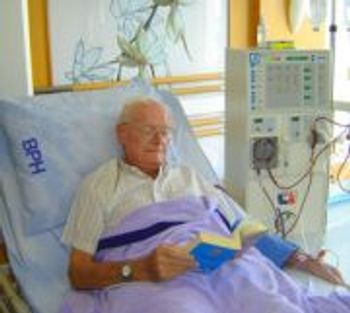
Although less than 2.4% of end-stage renal disease patients are expected to experience renal recovery, a research team found sustained recovery occurs more often than previously believed.
Recently released guidelines seek to provide clarity to the management of hyponatremia by outlining an evidence-based, patient-centered approach to diagnosis and treatment.
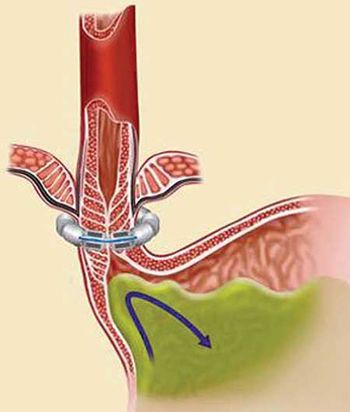
A minimally-invasive, surgically-implanted esophagus band developed at Stony Brook University Hospital effectively reduces symptoms of gastroesophageal reflux disease (GERD).

Researchers identify several independent risk factors for the development of severe and/or symptomatic hyponatremia in patients on oxcarbazepine therapy.
In patients with Legionnaires' disease, the prevalence of antidiuretic hormones is not associated with hyponatremia.

Study of exercise-associated hyponatremia (EAH) in ultramarathon runners finds no relationship between the presence of cystic fibrosis gene and the development of EAH.

Study results show that a three-month course of colchicine can significantly reduce the recurrence of atrial fibrillation after catheter ablation.

Results from a small study show that adding donepezil may provide additional analgesic relief for neuropathic pain patients who do not receive sufficient pain relief from gabapentin.

Meta-analysis of clinical trial data on the use of antidepressants and anticonvulsants for the treatment of painful diabetic neuropathy indicates gabapentin is the most efficacious agent for this condition, while the side effects associated with amitriptyline make it the least tolerable treatment option evaluated in the study.
Advertisement
Advertisement
Trending on HCPLive
1
The Case for Routine Kidney Screening, With Pranav Garimella, MBBS, MPH
2
FDA Approves Obinutuzumab (Gazyva) for Idiopathic Nephrotic Syndrome
3
Zilurgisertib Receives FDA Approval for FOP in Patients 12 and Older
4
FDA Approves Baricitinib for Adolescents With Severe Alopecia Areata
5