




























































The Food and Drug Administration has approved a new medication to improve glycemic control in adults with type 2 diabetes.
The Food and Drug Administration has approved a new medication to improve glycemic control in adults with type 2 diabetes.

Statistical analysis is essential to practicing modern medicine. Properly designed clinical trials are at the heart of Evidence-based medicine (EBM). The concept of EBM has evolved over the last 30 years from the work of Archie Cochran, an epidemiologist, who wrote a series of lectures in 1972 on the efficacy of medical services.

When it comes to ordering the correct test for Vitamin D, too many doctors just can't get it right, a new study found. A Seattle team found 66% of tests ordered for one type of test were made in error, delaying care and potentially putting patients at risk. But it took the laboratory specialists 2 years of trial and error--and a lot of patience--to get the doctors to order the right tests.
In the February issue of MD Magazine, our cover story takes a look at the growing world of so-called "concierge medicine." In this video, Princeton, NJ internist Simon D. Murray, MD, discusses how switching to a retainer-based model of care has affected his workflow.
Persistent infection with oral HPV16 is believed to play a part in the development of most oropharyngeal cancers.
In a study of older adults, salt intake was not associated with the risk of cardiovascular disease, heart failure, or mortality.
Working more than 3 night shifts per month for years can be hazardous to health, say an international team of researchers
Smoking rates were found to be higher in men than in women, but decreasing in both sexes – reports had indicated the rates may be increasing in young women. Previous studies have shown women become addicted to nicotine faster and have greater difficulty quitting smoking due to more intense cravings when stimulated by cues than men.
Opioids can be effective in controlling back pain, but their use carries risk of complications, misuse, and abuse. Clinicians have to decide when it is a good idea to prescribe them and when it is not.
Assessing the quality of mounting pharmacological evidence, the American Gastroenterological Association (AGA) has updated guidelines on the treatment of irritable bowel syndrome (IBS).
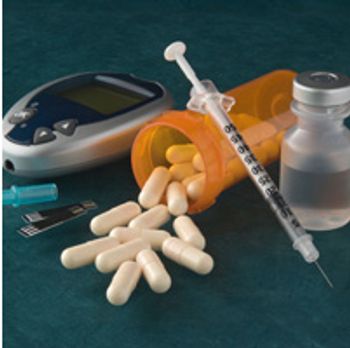
Researchers in Scotland have shown that while diabetes is a growing problem for that country's population, patients diagnosed with the condition are living considerably longer than they would have in the past. This is particularly true for patients diagnosed with type 1 diabetes.

A new analysis of several prospective health studies indicates that low testosterone levels at any age are associated with an increased risk ischemic stroke in men.

Allergists have long known that women are more likely than men to suffer severe allergic reactions such as anaphylaxis, but a new study may finally explain why.

New research suggests bacteria used for beer and bread digestion could potentially be beneficial for combating yeast infections and autoimmune diseases like Crohn's disease.
This 27-year old female medical student with recently diagnosed hypertension is seen following a chest x-ray in work up of a positive PPD. Upon questioning, the patient notes what she described as "gray-out spells" when tired and leg numbness with exercise after periods of sitting.

While suicide ideation (SI) and depression is common among individuals suffering from Chronic Obstructive Pulmonary Disease (COPD), emerging research has also discovered women with the condition disproportionately experience SI and it persists despite undergoing mental health treatment.

A group of scientists have recently discovered the method to cholera bacterium's madness: horizontal gene transfer‑stabbing and killing other bacteria to absorb their DNA. The disease, which is associated with acute watery diarrhea, is often caused by Vibrio cholera (V. cholerae) infection within the small intestine.

According to a recent study, one common tick-borne disease can raise the chances of people catching other less common conditions.

With a new year comes New Year's resolutions, many of which involve getting healthy in the year ahead. A recent study has shown that by keeping those resolutions people can not only lose the weight they want but also avoid other health issues like diabetes.

A new study finds that low testosterone levels are associated with frailty and other health problems in men with Human Immunodeficiency Virus.

How much can you predict about what people will do by measuring the testosterone in their saliva?

A new virus has reportedly been discovered in the Midwest, with scientists looking at how the tick-borne illness claimed the life of one person in Kansas.
A 75 year-old man with a history of paroxysmal atrial fibrillation and a single-chamber pacemaker placed for bradycardia 5 years prior presents with dizziness and nausea to clinic. He notes that he has also been feeling short of breath with normal activities of daily living.
A 26-year-old recently married female is seen by you for a 2-day history of urinary urgency and mild "burning" on urination. On questioning, she also notes a slight vaginal discharge. She denies flank pain, hematuria, fevers, or chills.
Eating a low carbohydrate diet compared to a low fat diet leads to greater loss of weight as well as a significant reduction in Framingham Risk Score.