































































New research suggests elderly patients with chronic obstructive pulmonary disease who participate in pulmonary rehabilitation programs have improved 10-year survival.
New research suggests elderly patients with chronic obstructive pulmonary disease who participate in pulmonary rehabilitation programs have improved 10-year survival.

Approximately 50% of the population has at least one thyroid nodule by age 60, although only 5% of those nodules are malignant.
Study results presented at ACC.14 show treatment with PCSK9 inhibitor evolocumab significantly reduces LDL-cholesterol levels in patients with hypercholesterolemia.
Postoperative surgical site infection is exceedingly rare after hemorrhoidectomy, and routine antibiotic prophylaxis seems to be unnecessary.

The FDA's Cardiovascular and Renal Drugs Advisory Committee convenes today to discuss serelaxin after reviewers recommended against the approval of the heart failure drug.

Some experts are concerned that efforts to legalize medical marijuana may lead to an increase in the incidence of low testosterone and related conditions such as gynecomastia.
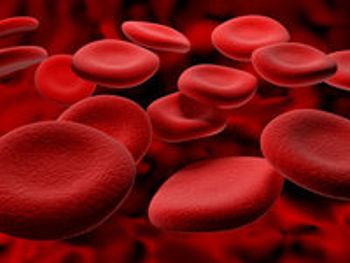
Patients with diabetes often develop thiamine deficiency secondary to elevated blood sugar. This deficiency is so common that some experts have referred to it as an epidemic.

Empathy is not an explanation for contagious yawning, according to a study published in PLOS ONE.

A once-weekly self-injection pen has been approved by the FDA to supplement diet and exercise for type 2 diabetes patients.

Infants with autism who were fed soy-based formula had more seizures than their counterparts fed dairy-based formulas, according to a study published in PLOS ONE.

Data show improved survival rates and other outcomes are associated with rapid response when cardiac emergencies occur.

Reading and language skills development are slowed by high levels of metabolites glutamate and choline in the brain, according to a study published in the

According to a recent systematic review, the prescient and short-term use of NSAIDs and opioids with pharmacological sensitivity to an individual's comorbidities may result in pain relief, improved functioning, and reduced vocational and avocational absenteeism.

Aggressive medical therapy might be more closely linked to mortality and malignancy in pediatric inflammatory bowel disease than the condition itself, according to a new study.

Atypical development in younger siblings of children with autism spectrum disorder can be detected as early as 12 months old.
Whether direct-to-consumer advertising is a good or bad thing remains a matter for debate, but what is not up for discussion is the need for due diligence on the part of physicians in managing patients who are motivated by those ads to seek medical attention.

Aveed (testosterone undecanoate), an injection drug designed to combat hypogonadism, has been approved by the FDA after being rejected 3 times.
When encouraging and supporting patients to quit smoking, varenicline is unlikely to increase the risk of neuropsychiatric adverse events such as suicide, depression, and aggression, even in patients with pre-existing psychiatric illness.
Thomas Dayspring, MD, FACP, FNLA, NCMP, discusses the promises and pitfalls of the 2013 American College of Cardiology/American Heart Association Guideline on the Treatment of Blood Cholesterol to Reduce Atherosclerotic Cardiovascular Risk in Adults.

Scientists have identified and blocked the trigger for autism and other mental illnesses in stem cells that test positive for fragile X syndrome.
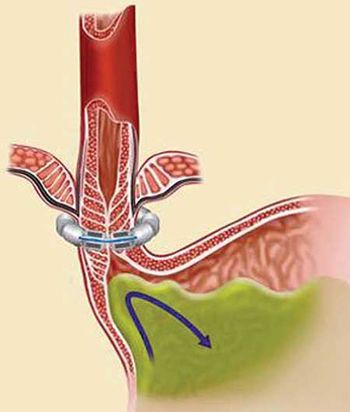
A minimally-invasive, surgically-implanted esophagus band developed at Stony Brook University Hospital effectively reduces symptoms of gastroesophageal reflux disease (GERD).
Successful applications of nanotechnology in the field of immunology will enable new generations of vaccines, adjuvants, and immunomodulatory drugs that aim to improve clinical outcomes in response in a range of infectious and non-infectious diseases.
With reimbursement increasingly tied to quality measures and other metrics, the question of whether best practices actually produce improved outcomes has taken on greater importance for clinicians and their patients.
New research suggests that patients with allergic rhinitis face significantly lower risks for heart attacks, cerebrovascular disease, and all-cause mortality.

Researchers identify several independent risk factors for the development of severe and/or symptomatic hyponatremia in patients on oxcarbazepine therapy.