




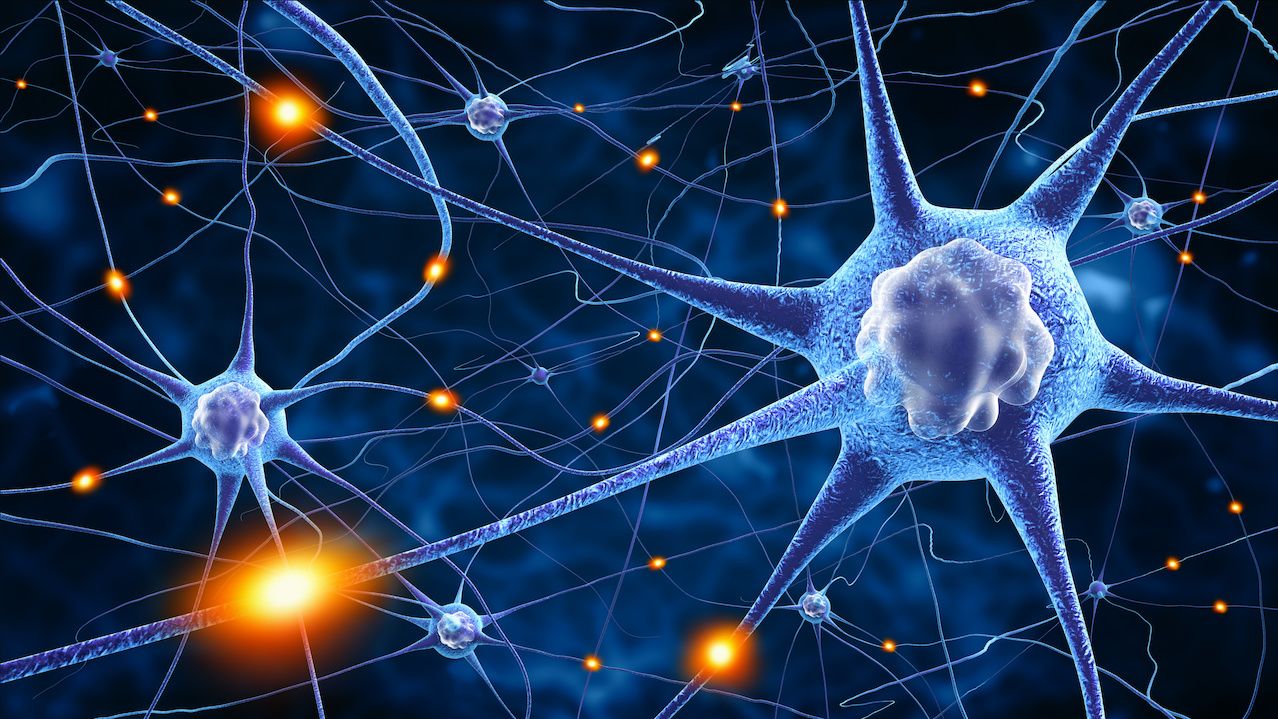

Multiple Sclerosis
Latest News
Advertisement
Latest Videos








CME Content























































Advertisement
More News

Acrolein levels were significantly elevated in urine and serum in patients with multiple sclerosis compared to healthy controls.

Ocrelizumab demonstrated superiority to or comparability with 14 other disease-modifying therapies currently approved by the European Medicines Agency.

The 1100-patient study is comparing once-daily ponesimod and teriflunomide for patients with the relapsing form of the disease.

The rate of palliative care in MS patients to have died in the hospital increased from 7.7% to 58.8% over 10 years ending in 2014.

The study implies that B-cell depletion by rituximab therapy may be therapeutically beneficial in patients with secondary progressive multiple sclerosis.

Common infusion-associated adverse reactions with ocrelizumab for multiple sclerosis were substantially reduced with strategic premedication.

A sham-controlled trial demonstrated that a novel at-home administration of transcranial stimulation reduced fatigue in multiple sclerosis.

What if insights from population data were able to help doctors predict a potential diagnosis months or even years earlier and be used to monitor these patients after a diagnosis is made?
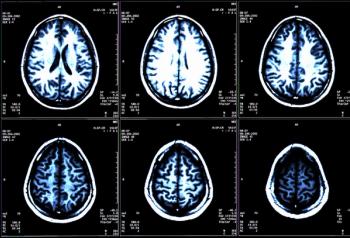
In 2018, investigators confirmed that one of the staple symptoms of multiple sclerosis—white matter demyelination—isn't always consistent.

The decision to modify a disease-modifying multiple sclerosis therapy in the face of declining cognitive function could rest on whether the measure of decline marks worsening of disease.

About half of all MS patients experience an episode of depression during their lifetimes, but most interventions are drug-related or psychiatric.
What could have been uncovered is further evidence for a progressive-onset MS phenotype characterized by acute episodic inflammatory changes.

According to the FDA, patients who stop the therapy are at a severe risk of symptoms worsening than previously to them even starting therapy.

In using the EDSS and 9HPT scales as a metric for the therapy’s influence on disability risk reduction, the investigators were additionally providing context to ocrelizumab’s benefits for ambulation rates and MS-related costs.
The use of marijuana for patients with multiple sclerosis can have a limited effect on symptoms such as spasticity, pain, and bladder dysfunction.
The brain’s lymphatic vessels may offer a new way to treat multiple sclerosis.

In a head-to-head trial, fingolimod (Gilenya) significantly reduced relapses over the course of one year compared to glatiramer acetate (Copaxone), in patients with relapsing-remitting multiple sclerosis.

New data from open-label extension studies of ocrelizumab show that patients with relapsing multiple sclerosis and primary progressive multiple sclerosis had better outcomes with earlier treatment.
The application was based on data from the EXPAND phase 3 trial of siponimod in adults with secondary progressive multiple sclerosis.

Stay up-to-date on the latest rare disease news by reading the top 5 articles of the week.

Fingolimod has been linked with a lower rate of relapse and less accumulation of lesions on MRI over a 2-year period compared with interferon beta-1a in a phase 3 PARADIGMS trial.

Daniel Ontaneda, MD, provides insight into the implications of discovering a new subtype of multiple sclerosis: myelocortical MS.

Bruce Trapp, PhD, discusses his team’s recent discovery of a new subtype of multiple sclerosis: myelocortical MS.

Ibudilast has been found to slow down brain atrophy in patients with progressive multiple sclerosis.

The investigative therapy reported a relative difference of 48% in brain atrophy reduction versus placebo, but investigators are still uncertain of its benefits.
Advertisement
Advertisement
Trending on HCPLive
1
Second-Line Therapy in Fibrillary GN: Secondary Causes and Rituximab Data
2
FDA Approves Once-Monthly Subcutaneous Olanzapine for Schizophrenia
3
Tips on Optimizing HS Biologics, Combinations, and Surgery
4
Why "Normal" Ferritin Can Miss Iron Deficiency, With Jacquelyn Powers, MD, MS
5