




























































FDA announces 137 new drug approvals in 2018 represents an 11% increase over 2017.

FDA announces 137 new drug approvals in 2018 represents an 11% increase over 2017.

Older patients could benefit from skipping traditional bedrest in favor of an exercise program when hospitalized with an acute illness.
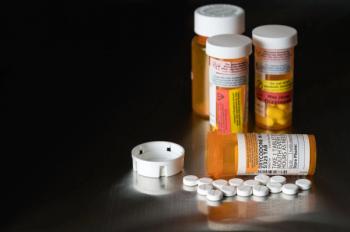
A recent study of more than 200,000 injured workers identified risk factors of opioid use of a previously opioid-free population.
The Erchonia Corp. product reportedly reduced patient pain by nearly 50% in clinical trials.

Combination of ibuprofen and Percocet found to reduce patient opioid consumption following surgery compared to receiving opioids alone.

Investigators found that galcanezumab reduced frequency of cluster headache attacks and had no substanial differences in adverse events when compared to placebo.

For chronic pain sufferers using opioids, policy changes have made it difficult to find new primary care providers — which investigators warn could have unintended consequences.

Rimegepant (rimegepant Zydis), which is a novel therapy for treatment of acute migraines, was found to reduce bothersome suymptoms and eliminate pain in a phase 3 clinical trial.

A recent study found that 65% of adult users reported using cannabis for pain relief and 88% of those taking opioid analgesics reported reducing or discontinuing use of medications.

Contrary to earlier research, investigators found that medical cannabis laws do not reduce deaths caused by opioid overdoses.
The IB-Stim device uses electrical pulses to stimulate cranial nerves and reduce pain associated with irritable bowel syndrome.

A new report from VHA shows synthetic opioids have accounted for a significant count of veteran deaths since 2010.

A multivariate cohort showed opioids in situation of critical care may not drive rates of continued use after 1 year.
A recent study found that recreational cannabis legalization can lead to increase in car accidents and injuries, but decreases in chronic pain admissions.

A recent study from the Mayo Clinic found that tramadol carries a risk of long-term use similar to that of oxycodone and hydrocodone.

In the LIBERTY 1 study, daily relugolix combination therapy led to a reduction in menstrual blood loss of 84.3% and improvements in pain and quality of life.

Despite less than 2% of patients receiving surgery, they accounted for more than 25% of total expenditures within 1 year of diagnosis.

A recent study found that black patients were far less likely to be prescribed buprenorphine than white patients.

Mia Woodward, MD, discusses the findings of her study which explored the possible over prescription and use of opioids post-corneal surgery.
The lot is being voluntarily recalled due to a detected microbial growth during a routine manufacturing simulation—indicating a potential introduction of microorganisms into the therapy.

A new study of 55 million insured young adults in the US found that major depression, type 2 diabetes, and other conditions are becoming more prevalent among them.
Unlike injectable versions, naloxone nasal spray may be administered outside a health care setting by anyone, regardless of medical training.

A new Northwell Health study showed that setting a chronic standard-of-care plan and correcting outliers could influence opioid prescription rates.

A small study in Colorado reported that regular marijuana users require significantly greater amounts of sedatives for endoscopic procedures.

How a biopsychosocial approach to assessing pain better aligns with the realities of treating pain pathways—and how that can limit opioid depedence.