

































































Early allergen sensitization is associated with an increased risk of viral infections and the development of childhood asthma.

Early allergen sensitization is associated with an increased risk of viral infections and the development of childhood asthma.
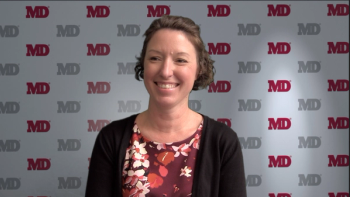
Alexia Beauregard, MS, RD, CSP, LD, explains how a food allergy specialist dietitian could make a life-saving difference in helping families understand food allergy.

The FDA previously approved DUPIXENT in the US for the treatment of adults with moderate-to-severe atopic dermatitis.

One week after Vertex Pharmaceuticals Incorporated initiated its first Phase 3 study of VX-659, tezacaftor and ivacaftor regimen for people with cystic fibrosis, the company has announced it is initiating a second.

Spruce Biosciences has announced the launch of the CAH Natural History Study, an initiative to advance knowledge and awareness of congenital adrenal hyperplasia.

A $2.8 million Fast Track Small Business Innovation Research (SBIR) grant has been awarded to PhaseBio Pharmaceuticals from the National Institutes of Health (NIH) to support the clinical development of PB1046 in treating patients with pulmonary arterial hypertension (PAH).

Varicose veins were rarely thought to have severe health effects, but should now be monitored closely, new evidence suggests.


They were also 3 times more likely to suffer from cancer, and reported a greater rate of hypertension and cardiovascular disease.
Last week in Nature, data were published revealing that AD-114, a locally developed molecule, could be a therapeutic option for patients with idiopathic pulmonary fibrosis.
New data from the US Centers for Disease Control and Prevention show that robust asthma education and prevention programs are working.
The American Lung Association will host two events this spring: the 2018 Greater Philadelphia LUNG FORCE Expo and a webinar for sarcoidosis patients focusing on improving health outcomes and support programs.

Roughly 41% of those diagnosed with psychiatric illness were also smokers, and they were 70% more likely to be smokers than their counterparts without psychiatric illness.