
















































Pulmonology
Latest News

Advertisement
CME Content
Advertisement








This week on MDNN: Cinnamon flavoring in e-cigarettes has been found to disrupt the lungs’ anti-bacterial defense system, new hypertension guidelines have increased the condition's prevalence, and the US Congress passed a right-to-try bill.

Benralizumab has shown a greater reduction of eosinophil levels than that of mepolizumab and reslizumab, but whether or not it's a clinically significant finding is not yet told.

The single-use triple-therapy device has proven significantly more easily managed by patients in a crossover study.

Findings should prompt future investigations into care disparities at skilled-care facilities to mediate higher mortality rates observed among senior survivors of critical illness.

When inhaled, cinnamaldehyde can disrupt the lung's anti-bacterial defense system, exposing users to respiratory infection.

Of the 246 patients who underwent lung resections, 203 patients had a FEV1 less than 0.8.

Increasing particulate matter and ozone rates, even in lower-pollution regions, is putting the elderly at risk of acute respiratory distress syndrome.

The longtime therapy Symbicort was tested for safety and efficacy versus SABA in 8000-plus patients on an as-needed treatment basis.

Miners who have worked 10 or more years are at greater risk for developing black lung disease and progressive massive fibrosis.

The administration of the treatment to asthma patients is fairly common, despite guidelines advocating against it under certain circumstances.

Smokers who quit had lower disease risk than the group identified as stable, low-rate smokers.
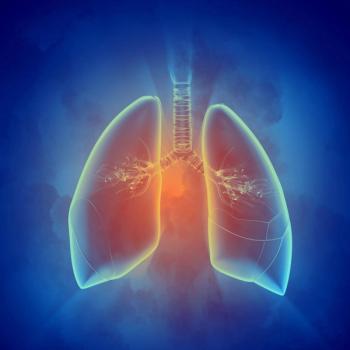
New data presented yesterday at the American Thoracic Society’s 2018 annual conference suggest that treatment with nintedanib (Ofev) is associated with a reduced risk of death in patients with idiopathic pulmonary fibrosis.

Sanofi and Regeneron reported promising results from a pair of pivotal phase 3 trials for the investigative add-on therapy.

From food deserts to hazardous jobs that inhibit exposure and limit the means to prevent it, people of low SES are at greatest environmental health risk.

Researchers intend to follow observed infants into early childhood to gauge the vitamin's influence on pediatric asthma rates.
Advertisement
Advertisement
Trending on HCPLive
1
Q&A: Mucus Plugging, Multimorbidity, and GOLD 2027, With Gerard Criner, MD
2
Enlicitide Lowers LDL-C Consistently Across PREVENT CVD Risk Categories
3
Omalizumab Biosimilar CT-P39: Quality of Life Gains Precede CSU Control
4
Diabetes Dialogue: Retatrutide Tops Semaglutide on A1C, Weight in T2D
5