






Sickle Cell
Latest News
Advertisement
Latest Videos









CME Content






















































Advertisement
More News

Early initiation reduces hospital stays and length of IV opioid use.

The furthest-progressed gene-edited therapy for a genetic disease reported historic efficacy data in ongoing phase 1/2 trials.

Patients with acute myeloid leukemia or myelodysplastic syndromes are at especially increased risk for increased disease severity and death.

Early assessment from an Australian team of investigators is targeting a pathway linked to hemoglobin expression.

Patients with normal eGFR increased from 60% at baseline to 80% at 3 years following procedure.

New data shows a large shift from mortality due bacterial infection to other sickle cell disease causes, treatment complications, or non-related comorbidities.
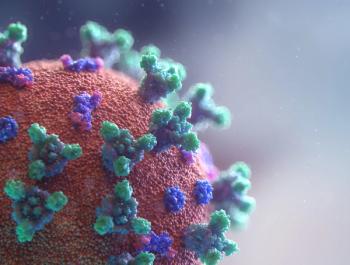
The first case report of COVID-19 reinfection in a patient with beta thalassemia major describes absence of symptoms and two-month interval between positive PCR tests.

Patients with hematological disorders like sickle cell disease or β-thalassemia are at high risk for HCV infection as a result of frequent transfusions.

Guidance based on procalcitonin concentration levels may useful in reducing duration of antibiotic treatment for sickle cell patients with acute chest syndrome.

The estimated the prevalence of C diff infections is about 40 in 30,000 for the sickle cell disease group and about 5000 in 11.8 million for the non-sickle cell disease group.

Identifying early stages of chronic kidney disease in patients with sickle cell anemia has the potential of allowing for personalized treatment and better prognosis.

A new study finds patients with sickle cell disease are moderately adherent to hydroxyurea.

The label now indicates hydroxyurea use does not affect benefit received from the medication.

A review of studies seeks the prevalence, determinants and outcomes of iron deficiency anemia in expecting mothers with sickle cell disease.

New phase 1 data show the first-in-class oral therapy is not affected by the burden on metabolism via hepatic or renal disease.

In data presented during Kidney Week, researchers find the risk of developed an acute kidney injury increased in both sickle cell trail and sickle cell disease patients.

According to recommendations, electronic media should actively engage in efforts to address the prevention and management of sickle cell disease.
The Full Field Peripheral Blood Smear application addresses shortcomings of current digital solutions.

A common theme among clinical staff focus groups was the pervasiveness of systemic and social barriers to addressing basic needs in children with sickle cell disease.

Stem cell transplantation can be a curative treatment for sickle cell disease, but there is some safety risks.

Multi-center, sickle cell studies may face a host of barriers and challenges in achieving target sample sizes.

New findings from the Congo highlight risks both mothers and their children face in delivery.

Although sickle cell disease is the most common inherited blood disorder in the US, there are still knowledge and prioritization gaps that need to be addressed.

The complexities associated with the disease and lack of validated risk predictors makes such a model challenging to implement.

A study found that patients more commonly self-reported unintentional barriers to treatment adherence—such as forgetfulness and external influences—than intentional ones.
Advertisement
Advertisement
Trending on HCPLive
1
Retatrutide Lowers Albuminuria, Glomerular Pressure in Obesity and CKD
2
Sleeve Gastrectomy Improves Heart, Kidney MRI Markers in Youth-Onset T2D
3
TELIGAN: Telitacicept Preserves eGFR Through 2 Years in IgA Nephropathy
4
Ravulizumab Receives FDA Accelerated Approval for IgA Nephropathy
5