





Sickle Cell
Latest News
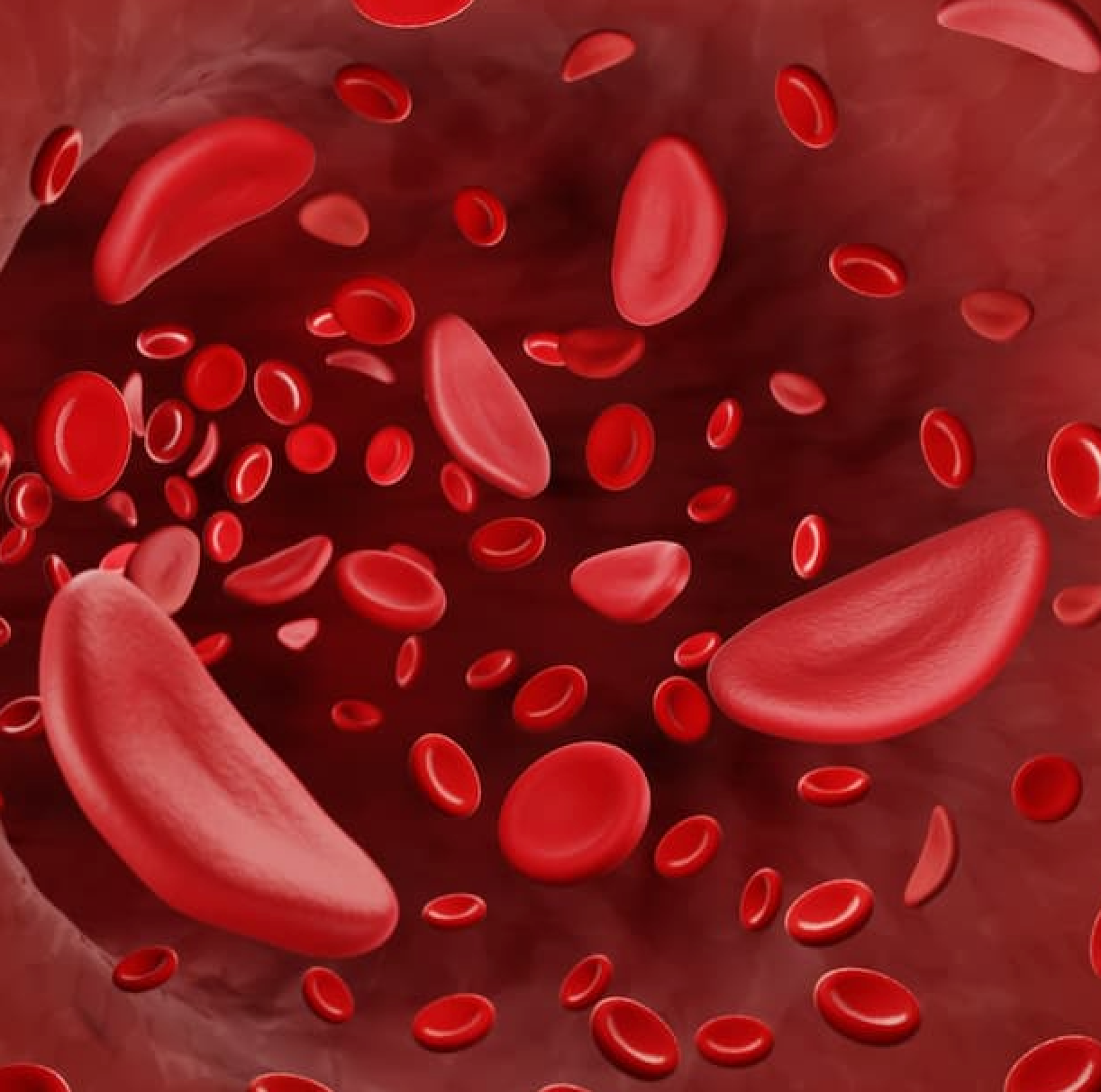
Study Reveals Higher Prevalence of STIs Among Adolescents, Young Adults with Sickle Cell Disease
By Lana Pine
Advertisement
Latest Videos





CME Content






















































Advertisement
More News

Two experts describe the correlation between the severity of arginine deficiency and worse clinical outcomes among hospitalized children with sickle cell disease experiencing vaso-occlusive pain episodes.

The findings show liver complications and cirrhosis as major causes of morbidity in patients with SCD, with implications for treatment and care.

Experts emphasize the fundamental principles of integrative care, the success seen in treating rare diseases, and how it can be applied to all chronic diseases.

According to investigators, this is among the largest studies describing the risk of bacteremia in young patients with sickle cell disease.

Among other associations, those in educational attainment, employment status, mental health, and pain episode frequency and severity highlight the need for comprehensive care that considers the psychological well-being of individuals with SCD.

Qualitative findings show children with sickle cell disease have the desire to feel normal and utilize personal strengths to manage their condition.

Results show a high level of adherence to hydroxyurea medication is essential for lowering the incidence of negative clinical outcomes like VOCs and acute chest syndrome in children with sickle cell anemia.

Individuals with sickle cell disease report a higher rate of infertility than the general population, but seeking fertility care treatment is lower.

Investigators address 2 questions: How can we better understand the biology of these rare disorders? How can we stimulate research and optimize the regulatory process to improve diagnosis and targeted treatment?

Findings from the study emphasize the importance of disseminating knowledge and education to reduce disease burden after examining healthcare students' knowledge and attitudes towards sickle cell trait (SCT) screening in Ghana.

Medicaid enrollees with sickle cell disease have limited access to clinical trials and out-of-state benefits. Barriers to treatment are multifaceted and occur at different levels of care.

Previously known as efanesoctocog alfa, once-weekly ALTUVIIIO™ is indicated for routine prophylaxis and on-demand treatment to control bleeding episodes for adults and children with hemophilia A.

According to the results, 42.8% of participants failed to agree that relevant legislature is in place for the sickle cell disease population, as it doesn't facilitate optimal access to high-quality healthcare.

The Sickle Cell Trait Awareness Campaign (STAC) offers promising possibilities of expanding sickle cell trait education across the country, Dr. Carolyn Rowley and Pat Corley, RN explain.

Individuals with sickle cell trait not only need to know their status to make informed family planning decisions, but also so they can watch out for the possible symptoms.
Dr. Carolyn Rowley explains, the whole reason for the Sickle Cell Trait Awareness Campaign (STAC) is to start talking about it.

"Despite advances in SCD management and high-risk pregnancy care, at the national level, outcomes in this population have not improved since the last NIS analysis of data from 1999 to 2008," investigators write.
Dr. Carolyn Rowley and Pat Corley, RN, explain why the new Sickle Cell Trait Awareness Campaign is designed for all middle school, high school, and university students.

With public health efforts and therapeutic advancements the prognosis for this rare condition has progressed, but longer life expectancy has highlighted a multitude of areas that need attention in this population.

Neutrophil, Platelet Engraftment is Successful with Briquilimab in Patients with Sickle Cell Disease
The targeted patient population included those with sickle cell disease or beta thalassemia who were considered at high risk for complications, or otherwise ineligible for standard myeloablative hematopoietic stem cell transplant.

"The challenge right now is that we have no therapies in the emergency department to treat acute pain, outside of pain medications and IV opioids," Dr. Claudia Morris says in an interview.

According to Dr. Corinna Schultz, a key part of the conversation of sickle cell trait (SCT) is centered around reproductive choices for the patient in the future.
Almost 25 years later, Dr. Claudia Morris concluded 2022 by presenting phase 2 data at the 64th ASH Annual Meeting that demonstrated the therapy's benefit, and her original premise. Her team's phase 3 trial evaluating Arg is currently underway.
Dr. Corinna Schultz talks about her latest data and the growing body of literature showing medical complications that can come with sickle cell trait.
"Using CRISPR/Cas9 you are able to actually fix a disease, that otherwise, was not fixable," Dr. Haydar Frangoul explains the data he presented at ASH 2022.
Advertisement
Advertisement
Trending on HCPLive
1
Retatrutide Lowers Albuminuria, Glomerular Pressure in Obesity and CKD
2
Sleeve Gastrectomy Improves Heart, Kidney MRI Markers in Youth-Onset T2D
3
TELIGAN: Telitacicept Preserves eGFR Through 2 Years in IgA Nephropathy
4
AD109 Yields Numerically Greater OSA Improvements in Postmenopausal Women
5