




Sickle Cell
Latest News
Advertisement
Latest Videos



CME Content






















































Advertisement
More News
Dr. Temeia Martin talks about how her team identified the transition period as a major obstacle for patients with sickle cell disease and what her task force has implemented as a solution.

An increased risk of obesity and decreased risk of abnormal weight loss was also observed in patients born to mothers with sickle cell disease.
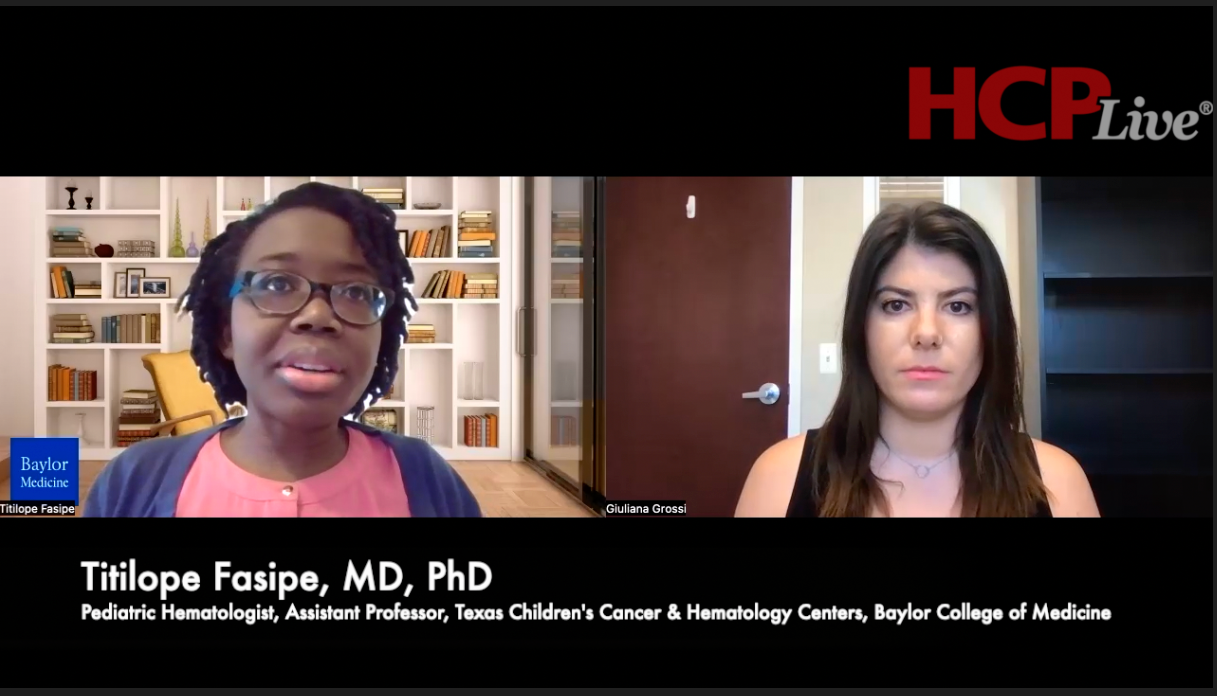
With World Sickle Cell Day approaching, Dr. Titi Fasipe reflects on the developments within the field, such as the continued conversation of disparities and the increased comfort level with new therapies.

Some of the favorable responses to voxelotor treatment and signs of hematologic response after voxelotor treatment included increased Hb levels, decreased reticulocyte percentage, and decreased total bilirubin.

Intravenous opioid use for VOC decreased by 52% in inpatient services between 2017-2018, while oral opioid use increased.

The agency also granted rare pediatric disease designations for inclacumab and GBT601.

In a late-breaking presentation at ASGCT 2022, investigators shared preclinical results of a gene-editing strategy that seeks to reactivate developmentally silenced fetal hemoglobin (HbF, α2γ2) in order to replace defective sickle hemoglobin (HbS, α2βS2).
Dr. Carolyn Rowley talks about the Cayenne Wellness Center's mental health initiative for individuals with sickle cell disease and shares the story of one of her first patients.

Sickle cell warriors are empowered to be part of the research and to be part of the solution, Regina Hartfield says.

Investigators who say that assessing vaso-occlusive crises solely through medical utilization doesn’t provide a full picture of the SCD experience because many VOCs are managed from home, are now backed by research.
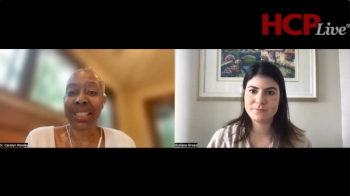
Dr. Carolyn Rowley is leading the California Sickle Cell Disease Mental Health and Wellness Initiative to provide mental health services free to people living with sickle cell disease.

President and CEO of SCDAA Regina Hartfield discusses how the association will use the funds from the leadership award.

Investigators observed a potential risk between Black individuals with baseline signs of dehydration, SCT and related mortality over 30 years.

Voxelotor is the first and only FDA-approved medication for children with sickle cell disease.

The investigative gene therapy achieved significant phase 3 endpoints, after receiving feedback from the FDA on its efficacy outcomes in 2020.

A systematic literature review highlighted key risk factors that could constitute a risk assessment model for hemophilia bleeding—a currently lacking guidance for clinicians.

Concluding their discussion on sickle cell disease management, expert panelists share key unmet needs and hopes for the future.

A new study evaluates the prognostic potential of exercise testing for patients with sickle cell disease.

A study highlights methods to define hydroxyurea exposure as means of understanding hematologic benefit derived from the first-line drug for children.

Shared insight on patient education surrounding gene therapy in sickle cell disease and common misconceptions about this approach.

An overview of gene therapy in sickle cell disease with a focus on the risk-benefit ratio observed in clinical trials and practice.

Barriers to sickle cell disease care are identified across multiple levels including individual, family, provider, and socio-environmental levels according to patient perspectives.

Panelists take a step back to consider when they might use certain disease-modifying therapy in the setting of sickle cell disease.

Considerations for voxelotor’s unique mechanism of action and prospective use in patients with sickle cell disease.
Interstitial lung disease expert explains the importance of educating patients with autoimmune disease.
Advertisement
Advertisement
Trending on HCPLive
1
Retatrutide Lowers Albuminuria, Glomerular Pressure in Obesity and CKD
2
Sleeve Gastrectomy Improves Heart, Kidney MRI Markers in Youth-Onset T2D
3
TELIGAN: Telitacicept Preserves eGFR Through 2 Years in IgA Nephropathy
4
AD109 Yields Numerically Greater OSA Improvements in Postmenopausal Women
5