





Sickle Cell
Latest News
Advertisement
Latest Videos





CME Content




























































Advertisement
More News

Dr. Stephanie Guarino's novel analysis found a significant relationship between self-efficacy in adults with SCD, and experiences of disease-related stigma.

Spleen size can vary significantly in pediatric patients with sickle cell anemia.
In her mitochondrial work, Dr. Claudia Morris made a novel discovery that wasn't discussed in her presentation at the ASH 2022 Annual Meeting.

The accurate prediction of EF trajectory phenotypes may determine personalization of prognosis and treatment in a pediatric population with acute myeloid leukemia.

New research assessed whether the T117S gene variant could be useful as a marker for predicting sickle cell disease patients' might responses to hydroxyurea treatment.

Every patient in the study was VOC-free at the time of the data cut.

Research into ovarian follicular density in younger female sickle cell disease patients finds no effect from exposure to hydroxyurea.

Compared with infants kept on a standard dose of hydroxyurea, those receiving escalating doses showed greater increases in HbF and HB without significant toxicity.

A study in the Dominican Republic assessed the use of dose escalation of hydroxyurea for children in a single hospital with sickle cell anemia.

Research presented at ASH 2022 examined the ages of onset of ASSC in younger sickle cell disease patients treated with hydroxyurea.

The SPHRE trial in Tanzania show significant benefit for children at high stroke risk in sub-Saharan Africa.

Updated findings from the ongoing clinical trial investigating lovo-cel in sickle cell disease and persistent anemia allude to the possibility that a contributing factor of anemia was identified.

An in vitro assessment showed the promising molecule class should be advanced toward prospective clinical trials.

The observed heterogeneity between BP-CMML cases suggested distinct clinicopathological phenotypes and the investigators integrated clinical metadata with blast immunophenotype with 59 independent features.

A total of 55 metabolites were significantly different between samples from patients with SCD at baseline and healthy control samples.

According to data presented at the ASH 2022 Annual Meeting, this is the first suggestion of a hydroxyurea-related impact on mito activity in patients with sickle cell disease.

Analyses like the Sickle Cell Data Collection (SCDC) have played prominent roles in establishing new SCD clinics, educating health care providers, guiding new research initiatives, and developing state health care policies.
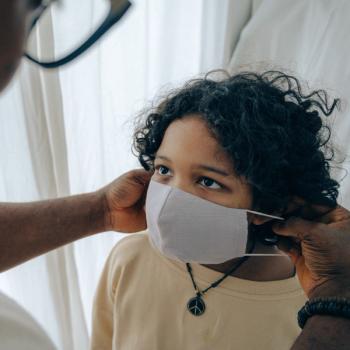
The implementation of 13-valent pneumococcal conjugate vaccine (PCV13) was associated with an important reduction in the incidence of acute chest syndrome in children with sickle cell disease.

There’s still much to be understood about gene therapy and its application to rare diseases like sickle cell, but at the progressive pace it’s moving at, gene therapy is likely to be integrated further into standard practice.

The American College of Physicians (ACP) aimed to inform on the ethical decision making regarding the integration of precision medicine and genetic testing into clinical care.

Investigators found that when assessing patients with sickle cell disease and neuropathic pain the TRPV1 receptor is a crucial component in the development of hypersensitivity and potential therapeutic benefit of capsaicin.
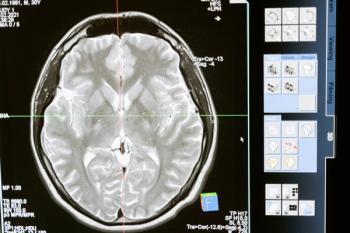
A 19 year-old patient presented with an isolated non-traumatic spontaneous epidural hematoma (EDH), an extremely rare consequence of sickle cell disease.

A significant factor in treating sickle cell disease is the practice of shared decision-making, which gives the provider and patient a collaborative approach to disease management, according to Dr. Titilope Fasipe.

According to the results, individuals with SCT who previously had COVID-19 also had various preexisting kidney conditions that were associated with poor outcomes.
In honor of World Sickle Cell Day, Dr. Titi Fasipe shared a comprehensive overview of the current status of gene therapy and the techniques being used for sickle cell disease treatment.
Advertisement
Advertisement
Trending on HCPLive
1
The Case for Routine Kidney Screening, With Pranav Garimella, MBBS, MPH
2
FDA Approves Obinutuzumab (Gazyva) for Idiopathic Nephrotic Syndrome
3
Zilurgisertib Receives FDA Approval for FOP in Patients 12 and Older
4
FDA Approves Baricitinib for Adolescents With Severe Alopecia Areata
5