





Sickle Cell
Latest News
Advertisement
Latest Videos






CME Content






















































Advertisement
More News

On October 25, 2024, Kind Pharmaceutical announced receipt of FDA Orphan Drug Designation for AND017 in the treatment of sickle cell disease.

A systematic review found cognitive impairment a defining characteristic of SCA, with a notable impact on individuals of all ages.

Education and employment, social and emotional functioning, and healthcare access are notable factors influencing pain in sickle cell disease.

An elevated social vulnerability index score was linked to increased mortality among patients with SCD in the 5-year CDC WONDER database.

An analysis of NYC’s lead registry data from 2005 to 2019 revealed a potential association between sickle cell disease and childhood lead poisoning.
This month in review highlights vitamin D supplementation in anemia, the prevalence of iron deficiency in US adults, and the efficacy of rpFVIII in treating acquired hemophilia A.

Pfizer has announced the voluntary withdrawal of voxelotor in all markets after a report found the benefits do not outweigh the risks for sickle cell disease.
This August 2024 month in review highlights new recommendations from the USPSTF, FDA approval of a treatment for chronic GVHD, and Phase 2 data for severe HDFN.

Thrombotic risk is more likely influenced by disease status than hormonal contraception exposure in women with SCD.

Interim analysis of STELLAR showed health-related quality of life domains were within a normal range after hematopoietic cell transplant for SCD.

Emergency department utilization patterns in people with sickle cell disease were impacted by the onset of the COVID-19 pandemic in 4 US states.
Our July 2024 hematology month in review examines the latest updates to the hematological pipeline and key study data informing clinical practice.
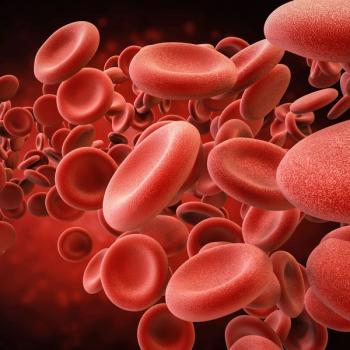
Patients with hemoglobin SS sickle cell disease type may experience a significantly elevated risk of retinal vascular occlusion.

A teleretinal screening program improved the awareness of sickle cell retinopathy and motivated patients to visit an eye care provider.

A study from the ASH Research Network reports positive antibody response and tolerability after mRNA vaccination in people with sickle cell disease.
Our June 2024 month-in-review for hematology focuses on the latest updates to the hematologic pipeline.

Early detection from a universal newborn screening program in Canada significantly reduced disease-related burden in children with SCD.

The CRISPR-based gene therapy demonstrated durable effects on SCD and TDT, with the longest follow-up extending past 5 years.

Phase 1/2/3 trial data show the investigational gene-editing medicine has been well-tolerated, with encouraging efficacy, for people living with SCD.

Blood loss due to whole blood donation and menstruation were the two most important determinants for ferritin and hemoglobin levels in female blood donors.

Based on the 36-item Short Form Survey questionnaire, adults with SCD in France report low physical and mental health summary scores.

Hydroxyurea treatment may impact seminal fluid levels and ovarian reserves in male and female patients with sickle cell disease.

High-impact chronic pain is a severely affected subgroup in SCD and is associated with greater pain burden and worse health outcomes.

A lower FACIT-Fatigue score, indicating higher fatigue was independently associated with female sex, a high BMI, a high stress level, and poor sleep quality.

A quality improvement initiative exhibited a sustained increase in transcranial Doppler screening rates over an 8-year intervention period.
Advertisement
Advertisement
Trending on HCPLive
1
Retatrutide Lowers Albuminuria, Glomerular Pressure in Obesity and CKD
2
AD109 Yields Numerically Greater OSA Improvements in Postmenopausal Women
3
Sleeve Gastrectomy Improves Heart, Kidney MRI Markers in Youth-Onset T2D
4
TELIGAN: Telitacicept Preserves eGFR Through 2 Years in IgA Nephropathy
5