

































































A pilot study from the University of Warwick found sitagliptin, which is approved for glycemic control in diabetics, could be a promising treatment for reducing miscarriages in women with recurrent pregnancy loss.
A pilot study from the University of Warwick found sitagliptin, which is approved for glycemic control in diabetics, could be a promising treatment for reducing miscarriages in women with recurrent pregnancy loss.

The U.S. Food and Drug Administration has approved an omega-3 fatty acid treatment as an add-on treatment to statin therapy to reduce the risk of cardiovascular disease in adults with elevated triglyceride levels.
The U.S. Food and Drug Administration has approved an omega-3 fatty acid treatment as an add-on treatment to statin therapy to reduce the risk of cardiovascular disease in adults with elevated triglyceride levels.

Novo Nordisk announced the US FDA's approval of insulin aspart injection 100 u/mL (Fiasp) for glycemic control in children in a press release on Monday morning.

A recent study from the Mayo Clinic of Rochester, MN is suggested diabetes mellitus is an independent risk factor for the development of heart failure.
How women who undergo menopause before age 40 may be at a greater risk of heart disease.
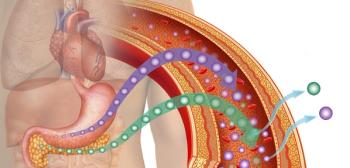
Insulin resistance is independently associated with body mass index (BMI) and synovitis in rheumatoid arthritis patients, shows new research published in Arthritis and Rheumatology.
The authorization could allow other technology for diabetes to go through the review process more quickly.

How technology, innovation, and preventive care drove the last 10 years of improved public heart health.

An analysis of more than 4 million patients in the Swedish Birth Registry is shining light on the associations between preterm birth and the development of diabetes as a child or young adult.

Results of a pilot study examining the impact of a 10-hour restricted eating window in patients with metabolic syndrome indicate the dietary intervention could help patients lose weight and improve their symptoms without changes in physical activity

Discussing why initiatives and policy changes in the fight against obesity and diabetes have been perceived as less successful than those against smoking and educating on cardiovascular diseases.

Evaluating the impact of DAPA-HF and other recent data that have changed the way cardiologists view the potential uses of SGLT2 inhibitors in patients with or without diabetes.
Toujeo has been given an added indication which allows its use for blood sugar control in patients as young as 6 years old.
In this slideshow, we review 10 new drugs or new indications for diabetes and other endocrine conditions.

Investigators examine how different supplementation impacts kidney function in patients with type 2 diabetes.

During AHA, investigators suggest ways to improve care for women in regard to diabetic and cardiovascular interventions.

A fourth-year cardiology medical student shares his perspectives from the audience at the American Heart Association Scientific Sessions.

Apabetalone demonstrated tolerability and safety in the phase 3 BETonMACE trial but the study did not meet its primary end point of reduction in major adverse cardiovascular events (MACE).

New empagliflozin data assesses the SGLT-2 inhibitor versus GLP-1 agonists and DPP-4 inhibitors for patients with heart failure.

The adult heart failure study is the first of its kind: a completely decentralized, indication-seeking clinical trial.

George Bakris, MD, discusses how nephrologists can work with other specialists and what the highlight of Kidney Week was.
George Bakris, MD, discusses the major study during Kidney Week, as well as what diseases should get more attention in future research.
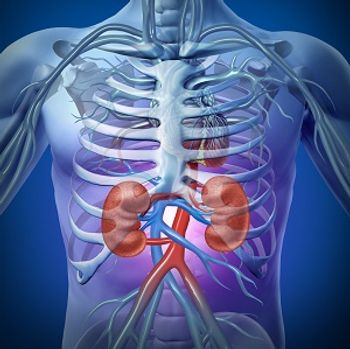
During Kidney Week, investigators present data showing that canagliflozin could be beneficial for patients across various levels of kidney function.
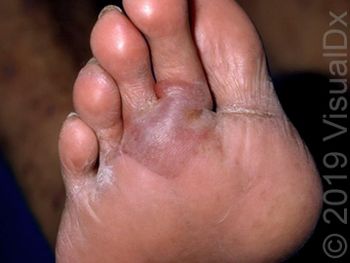
A 58-year-old man with a history of diabetes mellitus type 1 went to the urgent care after he awoke one morning and noticed the bottom of his foot near his toes felt funny. When he looked at the area, he realized that a bulla had formed on the bottom of his foot overnight. He hadn’t injured or cut the foot or leg recently, and he felt in good health otherwise. What's your diagnosis?