
































































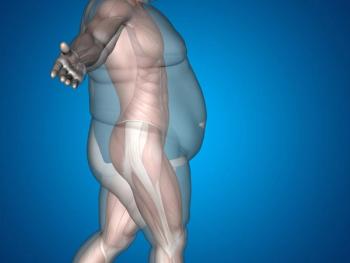
Late-in-life weight gain or weight loss appears to be associated with an increased risk of dementia, shows a Korean study of 67,219 men and women between 60-79 years old.

Late-in-life weight gain or weight loss appears to be associated with an increased risk of dementia, shows a Korean study of 67,219 men and women between 60-79 years old.
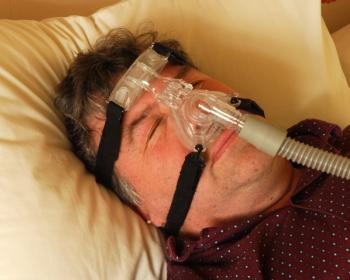
A new retrospective cohort finds that patients with untreated obstructive sleep apnea face a two-fold greater risk of developing T2D.

A recent study found that plant-based diets can lead to changes in gut microbiota that correlate with weightloss and fat reduction.

A single course of treatment with teplizumab delayed the development of type 1 diabetes in at-risk teens and children, shows a study presented at the American Diabetes Association annual meeting earlier this month.

Diabetes complications in young adults with type 2 diabetes are occurring in unusually high rates, researchers reported at the American Diabetes Association annual meeting held earlier this month in San Francisco.

Christopher Sorli, MD, vice president of medical affairs at Sanofi, discusses the results of a recent trial examining insulin glargine plus lixisenatide.

After Janssen's submission of an sNDA in March, results of the CREDENCE subgroup analyses were among the most anticipated presentations at ADA 2019.

A study presented at ADA 2019 examined the efficacy of sitagliptin compared with dapagliflozin in t2d patients 65 years old and older.

FDA has announced the approval of liraglutide injections for treatment of type 2 diabetes among pediatric patients.

A 6-month study examining the effects of hepatic-directed prandial insulin in patients with type 1 diabetes mellitus was presented at ADA 2019.
Osama Hamdy, MD, PhD, discusses the impact of a 10-year study observing the impact of lifestyle interventions among diabetes patients in real-world clinical practice.
Investigators presented results of a study that analyzed renal function and markers of kidney damage in more than 1,000 patients in two randomized trials examining ertugliflozin.
A study analyzing the renal outcomes of the DECLARE-TIMI 58 trial were presented at ADA 2019 in San Francisco, CA.
A new study shows patients with T1D and comorbid cardiovascular disease face a signficantly greater cost of care.
A recent analysis of the BRIGHT trial examining renal function of insulin glargine 300u/mL versus insulin degludec 100u/mL was presented at ADA 2019.

After making the rounds at ADA 2019, Patrick Burgess, MD, discusses what he thinks is the most important discussion taking place at this year's conference and the biggest challenge facing diabetes patients.

An analysis of 7 trials examining cardiovascular outcomes of study drugs found that concomitant insulin use increased a patient’s risk of severe cardiovascular outcomes.

A meta-analysis of 3 real-world studies into the effectiveness of Abbot's FreeStyle Libre Flash Glucose Monitoring System at ADA 2019.

A recent study from ADA 2019 found that rates of depression, mental illness, and antidepressant use among diabetes patients have increased significantly from 2010 to 2016.

A new study from ADA showed the investigative monoclonal antibody suppressed development and diagnosis of T1D in at-risk patients.

A new retrospective cohort analysis found that patients with type 2 diabetes generally have about 12 months following BI initiation to achieve A1c < 7.0%.

Type 2 diabetes patient outcomes including heart failure, stroke, and myocardial infarction were weighed between the 2 popular drug classes.

A study of the massive 2005 trial data found that fenofibrate-targeted biomarkers are closely associated to cardiovascular risks in patients with T2D.

A study into the impact of the timing of glucose blood readings has found that being 15 to 25 minutes late can almost double a patient's risk of hypoglycemia.

UNC professor of medicine discusses her thoughts on the largest challenges for physicians to overcome in the future of diabetes treatment.