





























































Type 2 Diabetes
Latest News

Advertisement
CME Content
Advertisement

The Connected MOM program allows self-monitoring during pregnancy so that some in-person visits can be skipped, and any issues can be identified early.

As providers, we do not want to scare parents into worrying about every cough or fever. Not every illness is sepsis.

Drinking no water on a given day was associated with greater caloric intake overall and a greater percentage of calories coming from sweetened beverages.
Richard Milani, MD, shares about the digital medicine program, particularly the track for patients with hypertension.
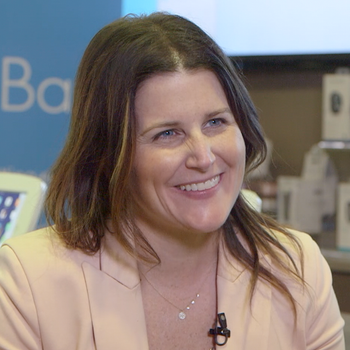
Aimee Quirk, CEO of innovationOchsner shares about how they have improved aspects of health care by introducing uses of technology.

It's been nearly a century since one of the greatest medical findings reached patients. How has the story of insulin changed modern diabetes care?

Seasons change, but diabetes remains an intriguing year-round challenge. Here's a short quiz on diabetes treatment from Dr. Edward Chao.

Is there an improved method of care for patients at risk of losing limbs?

Additionally, the added sugar labels will save the health care system an estimated $31 billion.

The CREDENCE study of canagliflozin in adults with chronic kidney disease and type 2 diabetes met its primary endpoint as well as cardiovascular endpoints.
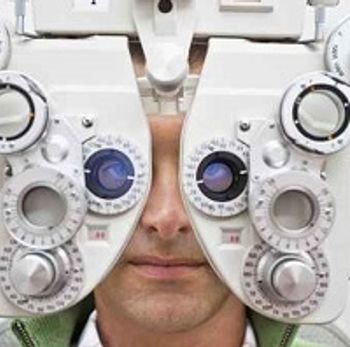
One month after ripasudil treatment, investigators saw the mean foveal thickness decrease significantly and noted decreases in intraocular pressure.

Are blood sugar levels moving targets? Should pregnant women be screened for thyroid cancer? And, will there soon be treatment to stave off those salt and sugar cravings? Learn more about these and other developments from endocrinology research in this news recap.

In very young children with type 1 diabetes, even a single episode of moderate/severe diabetic ketoacidosis (DKA) can potentially have long-term effects on cognitive abilities and brain growth, a study shows.
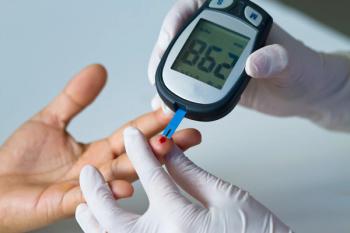
At ENDO 2019, two experts offered differing perspectives on optimal A1C targets. Blood sugar levels, one doctor said, should fall under 7 percent. Another physician argued for 7-8 percent. Learn more about the debate in this article.
How and when do you decide whether to prescribe a patient GLP1 agonists or SGLT2 inhibitors?

The canagliflozin (Invokana) application seeks a new indication to treat chronic kidney disease in patients with type 2 diabetes.
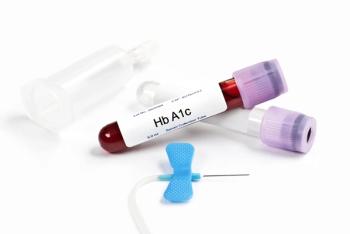
The hemoglobin A1C test underestimates the prevalence of diabetes in patients, shows new research presented at ENDO 2019.

An assessment of the world's largest twin registry found telling patterns of common autoimmune diseases including type 1 diabetes.

A year-long outpatient care study showed that patients with type 2 diabetes and comorbid cardiovascular disease are 5 times as likely to visit a cardiologist.

A new Puerto Rico-based trial shows that patients on add-on SGLT-2 inhibitors reported greater HbA1C reductions.
The FDA’s decision regarding sotagliflozin (Zynquista), an investigational treatment for type 1 diabetes, followed a split Advisory Committee vote in January.
The applications seek FDA approval for blood sugar control and cardiovascular risk reduction in adults with type 2 diabetes.
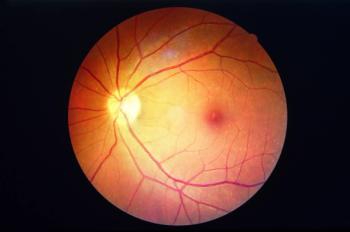
Diabetic retinopathy is the leading cause of blindness among working adults in the United States, but disease pathways may vary between patients, new research shows.
Advertisement
Advertisement
Trending on HCPLive
1
Half-Life vs. Real Life: How Real-World Evidence Is Reframing Wet AMD Treatment
2
FDA Grants Priority Review for Insmed's ARIKAYCE sNDA for MAC Lung Disease
3
When Innovation Builds Clinical Confidence: Evaluating Treatment Options in Hemophilia A
4
The HCPFive: Top News for Healthcare Providers from the Week of 09/13
5