
































































The investigative SGLT1/2 dual inhibitor is scheduled to be considered for marketing approval by mid-March.
The investigative SGLT1/2 dual inhibitor is scheduled to be considered for marketing approval by mid-March.

Take 5 with a quick quiz on a variety of diabetes treatment topics.
How well do you know your CV outcomes trial data for novel type 2 diabetes drugs? Your answers to these 8 questions will tell.

Once one of the country healthcare system's greatest successes, CVD and related mortality is rising again. What's its true cause?






Will SGLT2 inhibitor canagliflozin prove renoprotective in T2DM patients? CANVAS study authors sought to find out.
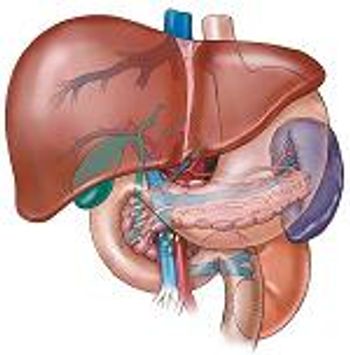
The leading etiologies for chronic-liver-disease-related-deaths over the last decade can be explained by NAFLD and alcoholic liver disease.
Highlights include an online diabetes prevention program; sweetened drinks pose greater diabetes risk; and the link between night shifts and T2DM.

Wiviott, senior investigator of the DECLARE-TIMI 58 trial, says that SGLT2 inhibitors and GLP-1 receptor agonists are changing the paradigm of how clinicians manage diabetes and cardiovascular risk.

Topline data shows that the diabetes medication is non-inferior to placebo with regard to a composite outcome of major adverse cardiovascular events.

How fatty liver disease and NASH—as well as the comorbidities associated with them—highlighted this year's discussions.
Strengths of the DECLARE-TIMI 58 trial included a large primary prevention population, while the nature of the study meant that adherence was likely higher than it would be in a standard setting.
The study showed noninferiority with relation to major adverse cardiovascular events and a reduction of heart failure, though no difference in cardiovascular death compared to placebo. There appear to be renal benefits to dapagliflozin as well.

Ezetimibe 10 mg/day significantly reduced the incidence of atherosclerotic cardiovascular events in elderly patients with high LDL cholesterol compared to control.

How can adolescent body mass index influence T2DM risk later in adulthood? A new study offers insight.

Patients with diabetic macular edema (DME) switching to aflibercept from ranibizumab improved their BCDA by an average of 5 letters over 9-12 months.

The FDA has approved Johnson & Johnson’s canagliflozin (INVOKANA) for patients with type 2 diabetes who have established cardiovascular disease in order to reduce the risk of major adverse cardiovascular events, such as heart attack, stroke, or death.

An anti-PIGF, a plasma kallikrein inhibitor, and a pan RGD integrin antagonist are some of the investigational treatments in the pipeline for diabetic retinopathy and diabetic macular edema.
Highlights include: "Artificial pancreas" improves glucose control; T1DM often misdiagnosed as T2DM; and a genetic connection for “type 1.5 diabetes.”

New data suggest hepatitis C infection, but not hepatitis B infection, increases the prevalence of diabetes in patients who undergo kidney transplants.
