
































































The daily therapy was tested for T2D control benefits and treatment adherence versus insulin glargine U-300.


Robert Gabbay, MD, PhD: The Role of Patient-Provider Communication in Medication Adherence
The daily therapy was tested for T2D control benefits and treatment adherence versus insulin glargine U-300.

More people achieved weight reduction of ≥5% and ≥10% with semaglutide in all BMI subgroups.

The American Heart Association chief medical officer for prevention discussed the new ADA partnership and the new emphasis on comorbidity care.

The Healthy MOMs program resulted in positive improvements in diet and depressive symptoms for expecting Latinas, a population at a high risk for gestational and type 2 diabetes.

The Janssen product was found to be linked to a reduced risk of sustained kidney function loss, attenuated eFGR decline, and a reduction in albuminuria.

The expanded indication provides an important treatment option for clinicians and patients with type 1 diabetes.
The system’s algorithm predicts glucose levels 30 minutes in advance and adjusts insulin delivery to reduce hypoglycemic events.

The investigative GLP-1 receptor agonist was compared to liraglutide, sitagliptin, and placebo in adult patients with type 2 diabetes.

The results suggest that this approach could streamline the diagnosis of diabetes, losing the need for the same elevated test needing to be repeated in a new blood sample.
The first patient is anticipated to be enrolled in the third quarter of 2018, and topline results will be expected by the beginning of 2020.

Importantly, they are not directed toward ophthalmologists, but at general physicians and public healthcare professionals.

Three new studies in diabetes include vitamin D deficiency; eliminating racial disparities in diabetes care; and the link between emotions and insulin resistance.
The software is now indicated to assist physicians treating patients with T1D who use insulin pumps and continuous glucose monitoring.

Edward C. Chao, DO, offers three new strategies that both patients and physicians can take to prevent diabetes.

The most recent approval in the class, ertugliflozin (Steglatro), is a product of the efforts of a duo of pharmaceutical giants, Pfizer and Merck.
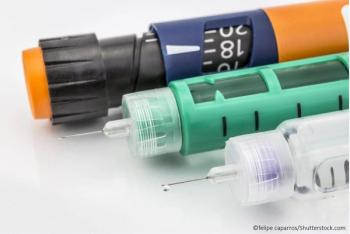
Follow-on biologics could reduce insulin therapy costs for diabetes patients, but how? This new study reveals.

A growing class of medications, SGLT-2 inhibitors have helped physicians manage otherwise uncontrolled cases of type 2 diabetes.

Diabetes causes ELOVL4 to be downregulated, weakening the tight junctions. Researchers hope that replacing these lipids could be a treatment for diabetic retinopathy.
The oral dual inhibitor is intended to work alongside insulin therapy to improve blood sugar control in adults with type 1 diabetes.
Edward C. Chao, DO, says collaboration is the answer and offers three simple steps.

The therapy showed reduction in nighttime resting heart rate comparable to that of beta blockers.
Lokelma is approved for the treatment of hyperkalemia, which is characterized by elevated potassium levels often associated with cardiovascular, renal, and metabolic diseases.

Women who continued using antipsychotic medications during pregnancy had an absolute risk of 4.2% to 12% of developing gestational diabetes.

Intravitreal aflibercept injection showed early signs of activity for patients with moderately severe to severe nonproliferative diabetic retinopathy.

Medication adherence rates struggle in many conditions and diabetes is among the worst of them. Michael Greenfield, MD, discusses 3 ways for clinicians to improve adherence.