































































Novo Nordisk seeks broad primary prevention claim, EMDAC recommends drug for patients with established CV.

Novo Nordisk seeks broad primary prevention claim, EMDAC recommends drug for patients with established CV.

Human antibody may substantially reduce need for insulin in patients with T1D.
ODYSSEY DM-DYSLIPIDEMIA is 1 of 2 studies on alirocumab presented at ADA Scientific Sessions.
Boys who are overweight as children but normalize as young adults have the same risk of type 2 diabetes as men who were never overweight.
More than 3,000 original research presentations will be offered in a robust 5-day program.
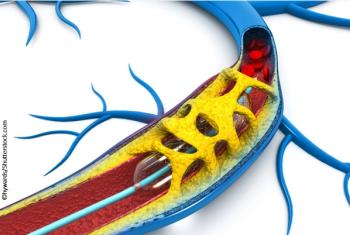
High HbA1c levels after the percutaneous cardiovascular intervention may help identify patients at long-term risk for adverse CV events.
Glioma is less common among diabetes patients.

Autism inked to maternal lifestyle, especially dietary factors impacting glucose.
Patients were randomized to standard care, nurse-led education intervention, or nurse-led education plus acceptance therapy.
Researcher calls it "some of the most exciting research in my career."

More than 25% of the US population over the age of 65 has diabetes.






Praluent can help patients with clinical ASCVD or HeFH

Under what circumstances may fructosamine levels be useful in monitoring glucose control?

The health effects of sedentary behavior, such as screen time, include adiposity & T2DM risk in adults. How does screen time affect children?

Could insulin could be dosed off of values from a continuous glucose monitor? Anne Peters, MD, and team sought to find out.
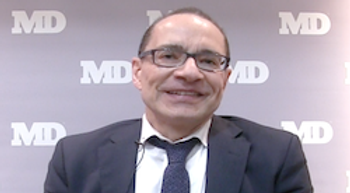
Farid Saad, DVM, PhD, Bayer Pharma AG learned that the men with type 1 diabetes did experience benefits of long-term testosterone therapy – they showed improvements in their underlying diseases.
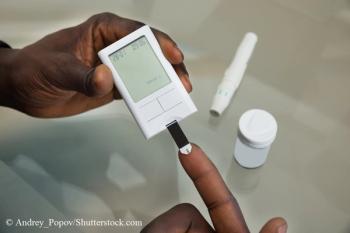
How would you treat glucose excursions in a patient treated with prednisone?

Eight top apps for endocrinologists include decision support tools, printable patient handouts, calculators, and treatment guidelines.
New device draws blood painlessly from capillaries.