
















































Follow-on biologics could reduce insulin therapy costs for diabetes patients, but how? This new study reveals.

Follow-on biologics could reduce insulin therapy costs for diabetes patients, but how? This new study reveals.

A growing class of medications, SGLT-2 inhibitors have helped physicians manage otherwise uncontrolled cases of type 2 diabetes.

Diabetes causes ELOVL4 to be downregulated, weakening the tight junctions. Researchers hope that replacing these lipids could be a treatment for diabetic retinopathy.

The oral dual inhibitor is intended to work alongside insulin therapy to improve blood sugar control in adults with type 1 diabetes.

Edward C. Chao, DO, says collaboration is the answer and offers three simple steps.

The therapy showed reduction in nighttime resting heart rate comparable to that of beta blockers.
Lokelma is approved for the treatment of hyperkalemia, which is characterized by elevated potassium levels often associated with cardiovascular, renal, and metabolic diseases.

Women who continued using antipsychotic medications during pregnancy had an absolute risk of 4.2% to 12% of developing gestational diabetes.

Intravitreal aflibercept injection showed early signs of activity for patients with moderately severe to severe nonproliferative diabetic retinopathy.

Medication adherence rates struggle in many conditions and diabetes is among the worst of them. Michael Greenfield, MD, discusses 3 ways for clinicians to improve adherence.
New research also found that continuous glucose monitoring by type 1 diabetes patients improved overall glucose control and enhanced quality of life.

Data from a duo of poster presentations showed icosapent ethyl reduced potentially atherogenic lipid and inflammatory markers in statin-treated patients with reduced kidney function and high triglycerides.

The study showed that 21% of the girls with T2D also had menstrual dysfunction suggestive of polycystic ovarian syndrome.

A group of researchers is planning an ambitious project that could have implications for diseases like diabetes: to build a complete model of the pancreatic ß cell.

An analysis of 40-plus trials report that the closed loop system care can be the difference in 2.5 extra hours of daily normoglycemia.

The disparity of fast food swamps significantly affecting pediatric patients with T1D but not those with T2D came as a surprise to researchers.

SGLT-2 inhibitors and GLP-1 agonists were associated with 1% and 0.6% reductions in all-cause mortality, respectively.

In a new study, the GLP-1 receptor agonist semaglutide was associated with greater weight loss than placebo -- and liraglutide.

The benefit for patients without diabetes was +0.3 ml/min/1.73 m2 per year and for those with concurrent diabetes, the benefit was doubled to +.06 ml/min/1.73 m2.

Results indicated that canagliflozin provided renal benefits for T2D patients with preserved or reduced kidney function.

While conventional methods require some type of skin prick, scientists from the University of Bath have proven the concept of needleless CGM.


New data has elucidated a mechanism of action by which hormonal replacement therapy could help prevent T2D in women after menopause.
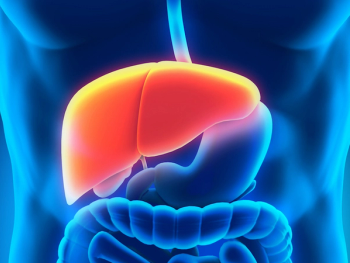
Phase 2 Study with Lanifibranor on Non-Alcoholic Fatty Liver Disease in Patients with Type 2 Diabetes Commences.

Researchers note that efforts are needed to align clinical practice with clinical guidelines.