






























































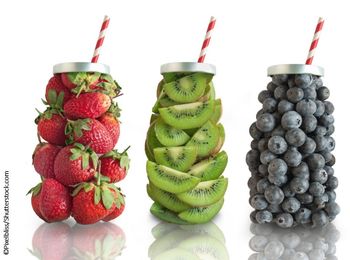
Juice is good food and does not contribute to disruption of glucose-insulin homeostasis, as long as its 100% real fruit juice, according to a new study.
Juice is good food and does not contribute to disruption of glucose-insulin homeostasis, as long as its 100% real fruit juice, according to a new study.
Increased risk for CV events and severe hypoglycemia in T2D patients treated with β-blockers seems reason enough to rethink this Rx.
One theory is that metformin taken during insulin treatment impacts energy intake and so supports weight loss. A quick look at a new study suggests something else.

We do all we can to help patients do all they can to manage their diabetes. We all need to be able to trust the supply chain, from start to finish.
Click through these 5 statements about the "gliflozin" class of diabetes drugs for a test of your recall and retention.
Take our 6-question True or False spot-check quiz on ADA vaccine recommendations.















Ask patients to reframe the readings as a call to action, a signal to tweak, to fine-tune.

An increased duration of lactation was associated with a 25% to 47% relative reduction in diabetes incidence.

A rare genetic condition has been linked to the development of both diabetes and insulinomas in a single family.

Higher rates of stillbirths, the need for emergency Caesarean sections, and infant mortality have all been associated with both type 1 and type 2 diabetes

The study is the first of 3 in the International Diabetes Closed Loop trial, funded by the National Institute of Health.