






























































The three-year trial reported that initial weight loss plus 1 of any 4 diet and exercise programs is associated with major benefits for at-risk patients.

The three-year trial reported that initial weight loss plus 1 of any 4 diet and exercise programs is associated with major benefits for at-risk patients.

A review of REDUCE-IT data prior to an FDA supplemental new drug application decision shows the unprecedented benefit of the fish oil therapy.

Todd Hobbs, MD, chief medical officer of Novo Nordisk North America, discusses the results of PIONEER 4 at ADA 2019 in San Francisco, CA.
Todd Hobbs, MD, chief medical officer at Novo Nordisk North America, discusses what prompted Novo Nordisk to create oral semaglutide.

Todd Hobbs, MD, CMO of Novo Nordisk, discusses the findings of the PIONEER 2 study.

New findings show the controversial 2018 blood sugar control recommendations are associated with cost benefits for 3 subgroups of affected T2D patients.

A new study which considered the suggested association between type 2 diabetes and vitamin D deficiency did not show a statistically significant reduction of patient risk.

Patients with type 2 diabetes and kidney disease who received the SGLT2 inhibitor canagliflozin, had a lower risk of kidney failure and cardiovascular events as compared to a placebo group, a new study shows.

Teens and adults had similar weight loss after gastric bypass surgery, but teens were more likely to experience remission of type 2 diabetes and hypertension than adults.

Metformin use associated with a 58% reduced risk of age-related macular degeneration (AMD) in a case-controlled retrospective study.
Using data from the National Health Interview Survey, investigators found major gaps in terms of receiving advice and engaging in diabetes risk-reduction activities.
People experiencing homelessness were more likely to follow-up on referrals from an ophthalmology clinic if they had finished high school or had a primary care provider.
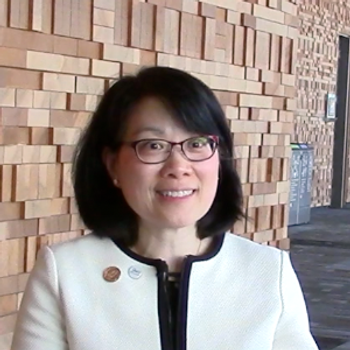
Investigator Lim sees hope that the EyeArt AI system will be able to screen more patients for diabetic retinopathy and help prevent blindness.
The artificial intelligence system, EyeArt, was able to detect diabetic retinopathy with a sensitivity of 95.5% and specificity of 86%.
After training the EyeArt system on thousands of images of eyes with diabetic retinopathy, investigators tested the AI in a clinical trial.
With 8.5% of the global population having diabetes, there is a growing unmet need for diabetic retinopathy screening. Artificial intelligence may help close the gap.

Approximately half of all patients with diabetes suffer from keratopathy, yet diagnoses are still underwhelming. Annual screenings need to become more standard.